


Some Things Just Never Change
In our modern 21st Century society, we citizens seem to find pleasure in talking about and complaining about our current situations. Whether it is the traffic, the schools, taxes, insurance, the weather or family issues, we seem to find comfort and delight in letting others know of our thoughts about current events. In the Bible, the ancient Israelites found themselves in the Desert and so they “grumbled against Moses and Aaron.” (Exodus 16:2) This Footprints article will enlighten the readers of some of the problems in the by-gone days of Fayette County, and the problems that the citizens were having at that time. Problems with the Big Trucks: The August 21, 1930 issue of the La Grange Journal states the following: “…there is much complaint that the bus and truck drivers use the State highways as if they hold the only rights to their use, making travel dangerous for other traffic. In many cases, they ‘hog’ the center of the roads, drive to suit themselves, and do not allow small cars to pass them.”
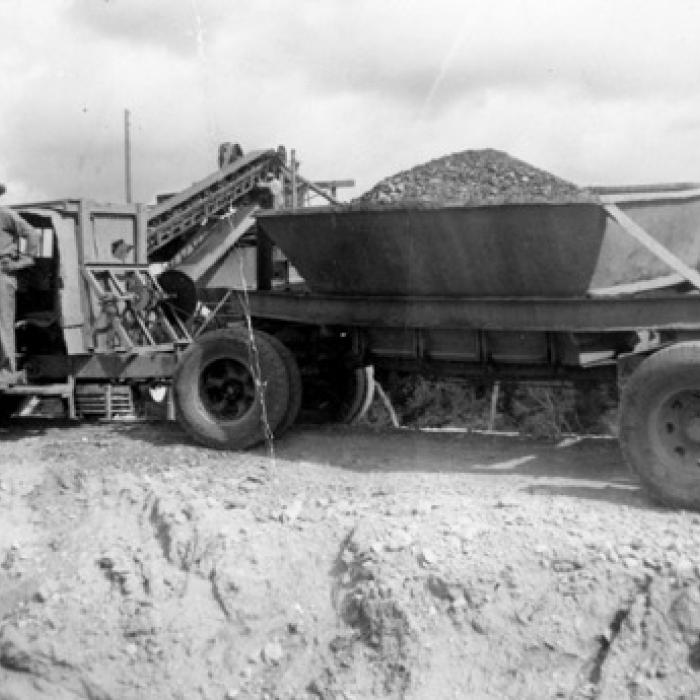
Damage to the Roads: The February 7, 1929 Journal informed the public that in the northwestern section of the county, residents were complaining that the large trucks carrying oilfield pipe were damaging a bridge in the area and that the trucks had ploughed deep ruts into the ground, making the roads impassable.
Road Rage: Also in 1929, the June 20 issue of the Journal told the story that “an auto wreck on the road between La Grange and Holman caused a quarrel—the quarrel caused a killing.” The quarrel, and subsequent fight ended with one man stabbing the other about the body and neck. The body was found by others, the Sheriff notified, and the guilty party arrested and placed in jail with a murder charge against him.
Drought Conditions: The devastating drought of 1925 brought the following remarks from the editor of the La Grange Journal in the April 23 edition. “Drought conditions prevailing at this time may have a tendency to create that feeling of unrest… When the farmer fails to make a good crop and get good returns for what he has grown, the business man will feel that loss…” He went on to point out that such conditions tend to lead to the destruction of the farm and an influx to the city.
Daylight Savings Time: The August 21, 1919 issue of the Journal informed the public that the U.S. House of Representatives had voted to repeal the Daylight Savings Law, overriding President Woodrow Wilson’s veto of the bill. All of the Texas representatives had voted to end the daylight savings law, due to having received many protests from the farmers in their home state against the continuance of the idea of keeping the daylight savings law.
School Violence: An incident in Ellinger in 1905 resulted in an article in the Journal in their April 6, 1905 issue. The incident in which “Professor J. C. Juricek, teacher of the Bohemian-American school at Ellinger, was seriously stabbed by Frank P. The cause of the trouble…. was a slight misunderstanding in regard to the teaching of school that day.” The root of the problem was a measles outbreak among the children, and a request to re-open the school after it had been closed for several days. Mr. Juricek received a wound in the chest and Frank P. was subsequently arrested and placed under a bond for the ugly incident.
Next week, in continuation of this article, we will deal with some more events in the Fayette County area in which the citizens found their problems, complaints, and solutions. Stay tuned…some things just never change.
Footprints Of Fayette
Fayette County is one of the most historic counties in Texas. In this weekly feature from the County Historical Commission, a rotating group of writers looks back at local history.