

Fayette Co. Third in Texas for Beef Cattle
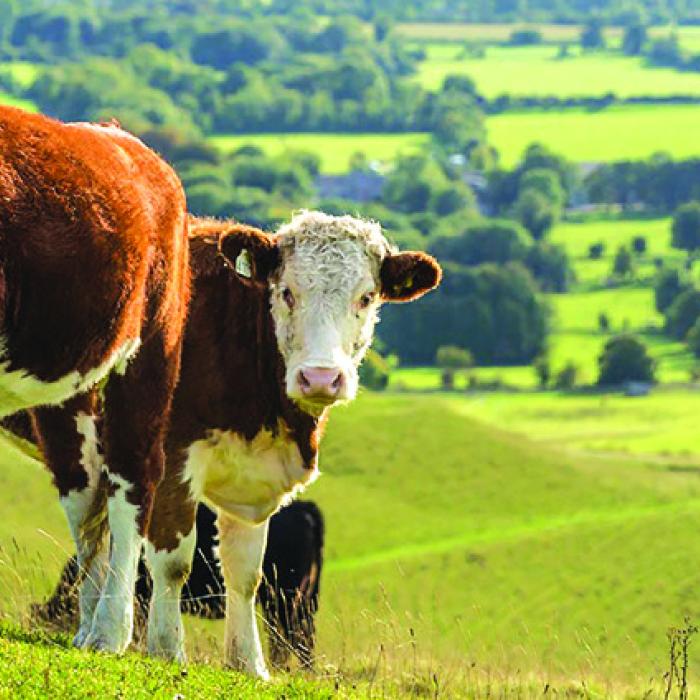
Cattle still outnumber people in Fayette County.
Fayette County Agrilife Extension Service gave an annual update to the Fayette County Commissioners Court on Thursday, Dec. 12. During the report, Extension Agent Scott Willey said Fayette County ranks third in Texas and 17th nationally for cowcalf production.
As of April 11 of this year, Willey said, there were 57,925 head of beef cattle in the County.
That’s almost double the number of people. According to the U.S. Census of 2020, the County’s human population is 24,435.
The cattle count has fallen dramatically over the past 15 years, though. Willey said there were nearly 75,000 head here in 2007-2008.
“One thing that’s been a hot topic for a while is rebuilding the cattle herd,” Willey said. “It’s been slow and ongoing for people to do that - with the droughts that we’ve been through, the aging demographic of our producers, and land use changes, especially in counties like Fayette County with a lot of land fragmentation. Those are some of the limitations, and costs of getting back into it - buying and investing in cows. It’s growing, but at a slower pace than what it might have been in years past.”
County Judge Dan Mueller asked about the status of feral hogs in the County.
“Would you say the feral hog situation in Fayette County is improving or is it getting worse?” Mueller asked.
“That is hard to answer,” Willey said. “If I asked different folks, you’re probably going to get (answers) all over the board, depending on where you’re at.”
Mueller said he hasn’t heard of as many complaints about feral hogs recently compared to a few years ago.
Pct. 3 Commissioner Harvey Berckenhoff said the damage from wild hogs seemed to have declined during the drought this summer. But he said he’s noticed some pasture damage following the recent rains.
“When it gets droughty, they seem to get down in the bottoms a little more,” Willey said. “But during hunting season, they get around the feeders a little more. Judge, to your point, maybe that means the things we’re doing and the investment the County is making has had an impact.”
The County pays a $5 bounty on feral hogs. The County has also partnered with Farm Bureau to provide hog traps that landowners can rent.
“I hope all the effort we put into it is doing its job,” Willey said.
In addition, Willey said the state recently approved a new feral hog toxicant product that could greatly reduce the number of feral hogs. In March, he said, the AgriLife office hosted a landowner education program about the new product. Willey said 177 people attended that program.
Also during the presentation, Extension Agent Sally Garrett reported on AgriLife’s family and community health programs, including childcare training, child car seat distribution, food safety education, and aging and healthy living programs.
Youth and 4-H Extension Agent Kayla Kaspar reported that Fayette County remains one of the most active 4-H counties in the state. In addition, her office coordinates the annual Youth Agriculture Day and Ag Safety Day. Kaspar said every public and private school in the County participated in those programs this year.