


The Adventure of Trying to Tell the Seedlings from the Weeds
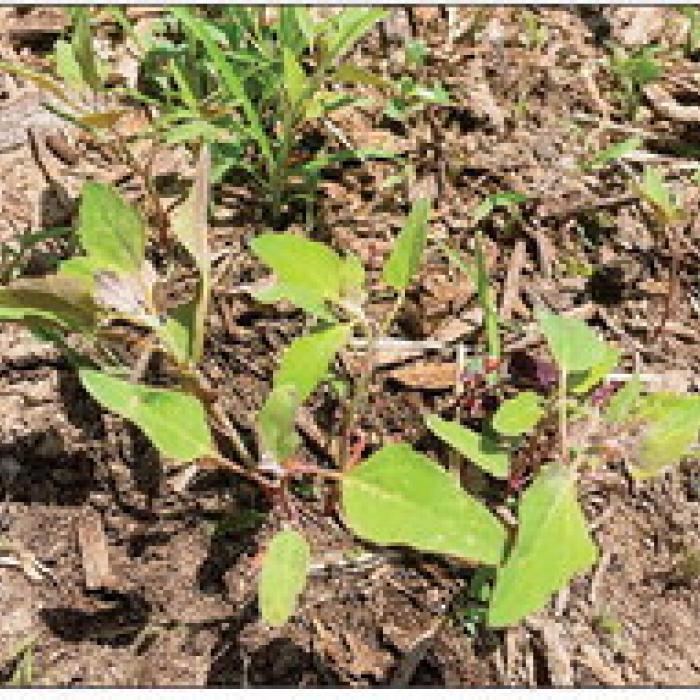

Have you ever planted something new from seed? How do you know what it looks like when it sprouts? Can you tell the difference between it and weeds?
This isn’t normally a problem if you plant into a container with fresh potting soil. There won’t be many (or any) weeds. But if you plant something new into an in-ground bed, it can be a little tricky finding your new plants.
Seedlings need moist soil to germinate and grow for the first few weeks. Their tiny roots aren’t developed enough to dig and find moisture deep in the soil. These warm, windy days dry out top layer of the soil quickly. Sometimes you need to water every day, or even twice a day.
The weed and grass seeds in the soil also love this wet environment. So they also sprout and start growing. Now you have to figure out what’s a weed and what’s not.
It helps to become familiar with the common weeds in your garden. Notice what they look like at germination. Grasses are pretty easy to identify with their long, blade-shaped leaves. But some crops resemble grasses, too. Try to pick out the difference between a corn seedling and a young Johnson grass – they look almost identical.
One of the more common weeds in my garden is silver nightshade. It looks a lot like eggplant. But that’s not usually a problem, because I typically grow eggplants from transplants rather than seed.
This spring I planted a fascinating plant that’s new to me – huauzontle. The scientific name is Chenopodium nuttalliae. This strange plant in the amaranth family is native to Mexico. Supposedly, it’s the fourth most-grown crop in Mexico behind corn, beans, and chia. It’s sometimes known in English as Aztec broccoli or Aztec spinach, which reference the two ways it is harvested. The young greens can be eaten like spinach, cooked or raw. The immature green seedheads resemble broccoli.
A popular dish made from the seed heads is called tortas de huauzontle. The seed heads are lightly boiled, drained, and combined with cheese. They are then battered similarly to chile rellenos, fried in oil, and served with a thin tomato sauce.
I’ve had a packet of seeds for a couple of years and decided to plant them this spring. The seeds are tiny, resembling quinoa but smaller. In fact, huauzontle is closely related to quinoa ( Chenopodium quinoa).
It’s also related to the native Texas plant known as lamb’s quarters ( Chenopodium album).
So a few weeks ago I meticulously weeded a small area. I sprinkled the seed and scratched it into the surface, then watered it every day. About a week later all sorts of stuff started growing in this patch – grass, weeds, and some tiny reddish seedlings that I assumed were huauzontle.
But another common weed in my garden is pigweed. There are several species of pigweed native to Texas, and I’m not sure which ones grow at my place. But they’re all members of the Amaranthus genus. And the seedlings happen to look kind of like huauzontle.
What are the odds of a few dozen pigweed seedlings growing in the same spot that I planted huauzontle? I bet those odds are pretty good, actually. But what I think are the huauzontle seem to have a more reddish hue. I’ll know for sure when they get a little bigger.
I suppose the lesson here is to pay attention to your weeds. Know what they are and what they look like. There are plenty of good native plant ID books to help in this effort. I also use the smartphone app “Picture This.” You can take a picture of a plant and the app will try to identify it. Sometimes it works, sometimes it doesn’t.