


Tips from Fayette Co. Scam Fighters


Those on the local front line review how they stop scammers’ fraud attempts
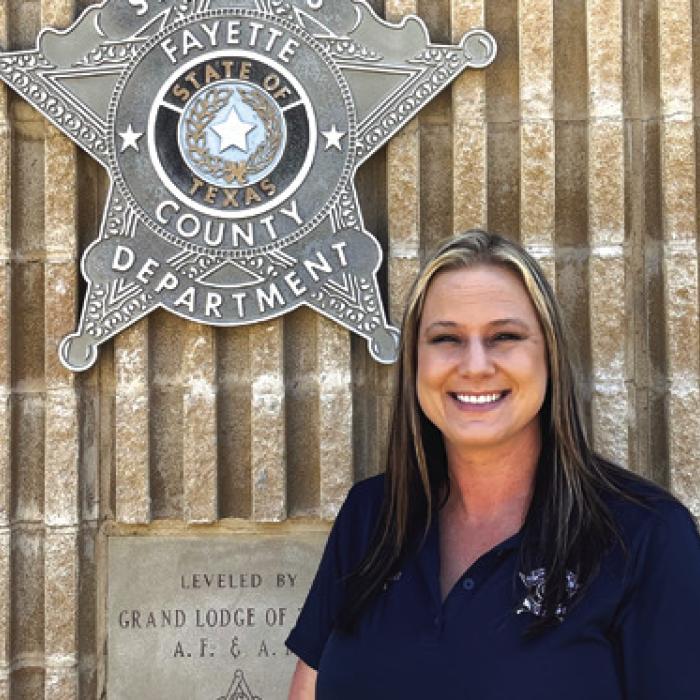
Mention the word scam to Sgt. Angela Lala and she frowns. Fayette County is not immune to the ugly, worldwide tide of fraud that continues to thrive.
“According to the Federal Trade Commission data, U.S. consumers reported losing $8.8 billion to fraud in 2022. That’s an increase of more than 30 percent over 2021 figures,” Sgt. Lala says.
While reports from some local scam victims may not reach her desk, Sgt. Lala ticks off a list of common examples that are perpetrated via phone and online.
• Scammers pretending to be from an organization you know, most commonly the Social Security Administration, IRS or Medicare, say you’re in trouble with the government or you owe money;
• Scammers pretending to be a relative, say there is a family emergency or someone is in jail;
• Scammers claiming to be from the Sheriff’s Office say there’s a warrant for your arrest and demand money to pay it. They threaten to arrest or sue you, take away your driver’s license or deport you;
• Scammers pretending to work for a bank will say there’s a problem with one of your accounts, so you need to verify some information;
• Scammers say you have won money in a lottery or sweepstakes, but you must pay a fee to get it;
• Scammers contact you about buying an item you are selling. Some will send a check (that later turns out to be a fake). They tell you to deposit it and send them back a portion of the money for shipping the item.
“Unfortunately, all these scams are effective because most scammers use technology to change phone numbers that appear to look legitimate on your caller ID, but they’re not,” Sgt. Lala says.
Two other telltale favorite tactics of scammers are pressuring you to immediately act before taking the time to think or check out the story and to pay in a specific way. They’ll insist you send money using cryptocurrency or a payment app, wiring money through a company like MoneyGram or Western Union or putting money on a gift card and giving them the numbers.
“It’s human to be trusting (and sometimes gullible). Scammers are masters of human nature; they know how to manipulate emotional vulnerabilities that allow them to pull off scams,” Sgt. Lala says.
“Be vigilant. Know that entities like the IRS will not contact by phone, only by mail. If a caller insists you wire money or buy gift cards and give them the codes, it is a scam.”
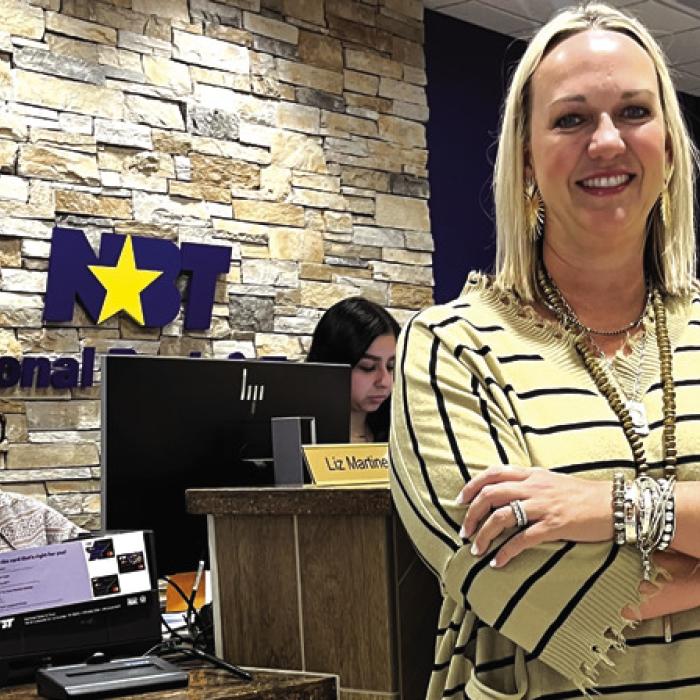
BSA/AML Officer Jennifer Schattle shares more alarming statistics from a July 23, 2023, Fox 7 Digital Team report. From January through May this year, Texas consumers reported losing more than $4.3 million to scams, a number exceeding total losses per year from 2018-2022. The Better Business Bureau states that while the number of calls it’s receiving is at about the same level as previous years, financial losses have increased significantly.
Has National Bank and Trust recorded more scam activity?
“Our bank has seen a 222 percent increase in the number of fraud and scam activities since 2020, and, compared to our 2022 numbers, NBT is trending to match or exceed that number in 2023,” Schattle says.
She adds several other scams to Sgt. Lala’s list:
• Online romance scammers gain a victim’s affection through feigning attention and then using that goodwill to get the victim to send money;
• Check washing involves changing the payee’s name and the dollar amount on a check before it is fraudulently deposited;
• Fake real estate investment opportunities.
“Thousands of people fall victim to fraud daily through emails, texts and calls from scammers pretending to be someone they are not. We want to share some best practices for fraud defense in the form of tips and videos on our Facebook page and the bank’s lobby monitors,” Schattle explains.
She advises Fayette County residents to be proactive by:
• Setting up security tools like multi-factor authentication wherever it’s available,
• Using random and complex passwords,
• Keeping your browsers up-to-date with the latest virus protection,
• Checking your credit report regularly to ensure no loans or credit cards have been taken out in the name of a fraudster,
• Never clicking on links or downloading attachments from people you don’t know.
“Our employees undergo monthly training exercises, which are critical in spotting common red flags and scammer tactics. We take extra steps to verify a customer’s details by questioning everything. This helps to protect the bank and our customers against fraud,” Schattle notes.
“In addition, we have added additional checks and balances, including financial crime management software to detect and/or prevent suspicious behavior or transactions.”
Fayette Electric
Cooperative
Tracy Denton, marketing and training coordinator, says scammers never quit. As technology changes, they constantly change their tactics.
Although the following scams may not have played out among FEC’s customers locally, other utilities have reported: • Members are informed their bill is past due and service will be disconnected if payment if not made immediately; • Door-to-door imposters say they are from the utility and are inspecting or responding to a claim;
• Fraudulent written correspondence claims to be from a
utility;
• Fake requests instruct members to pay with a prepaid credit card or through a third-party app to cover false charges or to prevent immediate service disconnections;
• Members are instructed to provide personal account information due to an error in the utility’s computer system;
• Scammers claim the number they are calling from is different from the utility’s because they’re working remotely.
“We belong to an industry group called Utilities Against Scams that holds monthly webinars and provides a website where utilities can report scams and the latest scam tactics they’ve heard about or seen,” Denton says.
Follow three simple rules to avoid being the victim of a scam, she advises.
1. Slow down. Take your time. Scammers pressure potential victims to act fast.
2. Verify. Always doublecheck to ensure the information provided to you matches your last bill. 3. Stop. Utilities never demand immediate payment and do not accept bitcoin, prepaid cards or third-party payment apps.
“You can download our SmartHub app to track your payment status and how much you owe. If in doubt, always call our office at (979) 9683181. Never call the number the scammer gives you,” denton adds.
Colorado Valley
Communications
According to Karen Gunkel, director of regulatory affairs and marketing, customers with a @cvctx.com email receive scams and phishing attempts from time to time. Some entice customers to click on a link that could download malware or a virus. Other fake emails claiming to be an administrator with CVCTX request password and username information.
“We want to help educate our customers about how to protect themselves from these types of emails,” Gunkel says.
When there’s a report of scam activity, CVCTX posts an article on its home page under the news and events section: https://www.cvctx.com/ alert-spam-text-messages/ and posts messages linking to those articles on its social media. In addition, CVCTX offers resources for Internet security on its website at https:// www.cvctx.com/internet/ security/.
“Be careful clicking on links in emails that they are not expecting. Never give out your username or password over email, and if an email tries to create a sense of urgency, be extra cautious,” adds Gunkel.
Customers uncertain as to whether an email is legitimate can call CVCTX’s 24/7 tech support line at 877-452-9035 at any time of the day or night, or email CVCTX at info@coloradovalley.com. A local customer service representative will field an inquiry at 979-242-5911 during normal business hours. *** “Finding a victim to scam is simply a matter of cycling through groups of people and singling out a vulnerable person to exploit,” Sgt. Lala says.
If you think you may be the victim of a scam or fear you may be facing a situation that could entail fraud, call the Fayette County Sheriff’s Office and ask for Sgt. Lala. The Texas Attorney General’s Office and the Federal Trade Commission also assist in investigating these crimes. Although scamming falls under the fraud statutes of Texas, most scammers are never caught and prosecuted.
“Sometimes, the suspect is actually in a different country,” Sgt. Lala says.
If you have a scam story to share, email Elaine at callacomm@ hotmail.com or call her at 979-263-5031. (The answering machine in her office is still turned on.)