


Time to Get Your Yard Ready for Some Beautiful Blooms

I mostly write about vegetable gardening in this column, but several readers have been asking me about flowers lately. Spring time is almost here, so it’s a good time to get ready to plant flowers.
A reader from La Grange asked me on Monday about planting bulbs and azaleas. Let’s start with bulbs. In my experience, the best bulbs to grow in Fayette County are amaryllis. If you grew up in Fayette County like I did, you might think amaryllis flowers are native here. True amaryllis actually come from the Cape region of South Africa, from what I’ve read, but folks have been growing them here for so long that they have become naturalized in some places.
The next time you drive between Schulenburg and La Grange, look in the ditch on the west side of Hwy. 77 down that long straightaway between the Swiss Alp Dancehall and the bridge across the East Navidad River (which is barely a creek at that spot). There are always thousands of amaryllis growing in the ditch there. You can especially notice them when they bloom during the spring and summer.
The oxblood lily (scientific name Rhodophiala bifida, which is actually more closely related to amaryllis than true lilies) is another bulb that grows great in Fayette County. The conspicuous red flowers bloom in the fall. A big patch of them always pops up in the field just north of St. John the Baptist Catholic Church in Ammannsville, the one in which everyone parks their vehicles during the Ammannsville picnic (if they ever have that again).
Amaryllis and oxblood lilies readily propagate themselves by division and seed. Several patches of white amaryllis grow around my old farmhouse. The house was built in the late 1800s. These bulbs may have been growing here for a hundred years or more. The place was vacant for over a decade before we moved in, so they obviously survive with little care.
I have never tried growing true lilies. I hear they are a pain to keep alive in our heat and that few if any will survive longer than a year. I have seen people around here grow daffodils and narcissus flowers, but I have no experience with these bulbs. Another bulb called “Summer Snowflake” (Leucojum aestivum) supposedly grows well here, but I have no experience with these, either.
The reader who asked about azaleas said she used to live in Houston, where lots of folks grow azaleas. Houston gets a lot more rain than we do in Fayette County, and the soil there is quite different. I have never grown azaleas before. From what I understand, they will grow here, but it will take a lot of work.
First, azaleas need beds made from lots of organic matter such as compost and wood chips. Texas organic gardening guru Howard Garrett (a.k.a. The Dirt Doctor), says a great azalea bed can be made from a 50-50 mix of good organic compost and native red cedar flakes. If you can’t find cedar flakes, I think you could use the wood chip mulch available at the Fayette County Recycling Center in La Grange. Azaleas will not grow in our native soils, whether it is blackland gumbo or sandy soil. They will not grow well in even the best garden soil.
Furthermore, they do not like full sun. They prefer growing underneath trees. They do not like to dry out, but they will not tolerate poor draining soils, either. That’s why you need to plant them in a raised bed prepared with 100 percent organic materials like compost and wood chips. The raised bed does not need to have sides. You can simply pile the material on top of the ground.
Azaleas are perennial. To keep them coming back every year, you need to topdress the bed with two or three inches of compost and mulch every year.
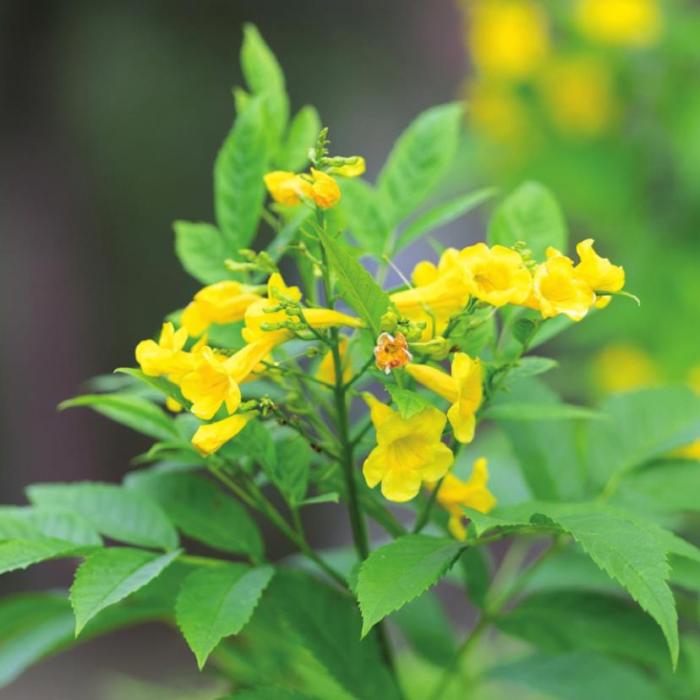
For yellow flower color, grow plant esperanza bushes. They come back every year. They develop copious numbers of big yellow, bell-shaped flowers. The plants grow up to 10 feet high at my place. To encourage more flower production, cut off the beans that develop from the flowers. Propagate by cuttings taken in the springs. Don’t bother planting the seeds that form inside the bean pods. If you manage to germinate any, they probably won’t make as many flowers as esperanzas grown from cuttings. From what I understand, that’s because all esperanza bushes sold in the nursery trade came from a single mother plant that may have been a wild hybrid.
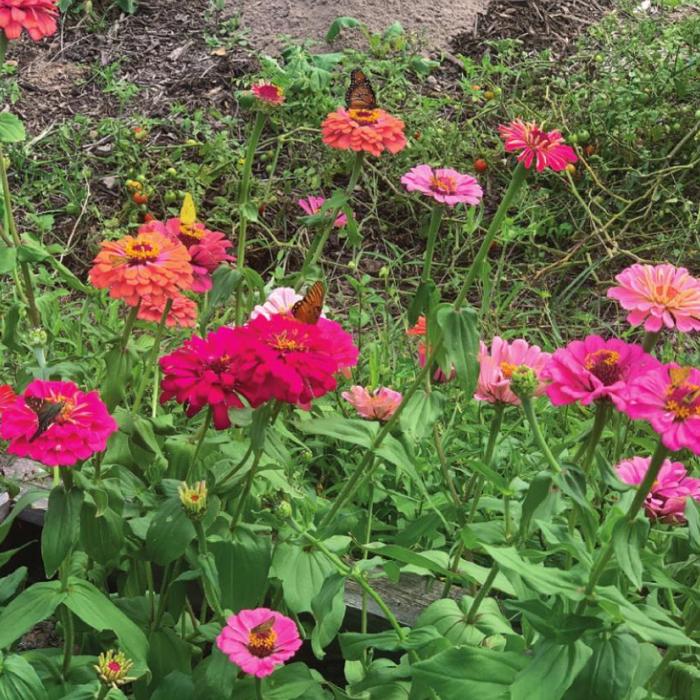
I think the easiest flowers to grow here may be zinnias. They are big, beautiful and showy. The seeds germinate easily in just a few days, so you can plant them directly in the ground without worrying too much about weed competition. They come in hundreds of colors and flower shapes.
I grew them for the first time last year, and I can’t get over how easy they are to grow. They will take a little stress without dying.
One time I noticed them looking so poor that I thought I lost them. I gave them a drink and they perked right up.
They bloom for months, and they make a wonderful cut flower that lasts for days in a vase.
I encourage everyone to buy a few packets of zinnia seed and plant them everywhere around your house.
You can plant blocks of single colors or mix them together for a kaleidoscope effect. They seem to grow even better in the fall, so save some seeds to plant later in the year.
Other spring flowers that grow well from seeds here include dahlias, cosmos and celosia. Celosia should be grown from transplants, in my opinion, mainly because the seeds are tiny. The tiny seedlings can get lost if your bed has a lot of weed pressure. Cosmos and dahlias can be planted directly from seed into beds. Dahlias grow tubers underground that may come back from year to year. Dahlia tubers are eaten like potatoes in some parts of the world.
Everyone likes to plant marigolds in the spring, but they actually grow better in the fall. That’s part of the reason why they are a popular decoration for the Mexican holiday Dia de los Muertos (Day of the Dead).
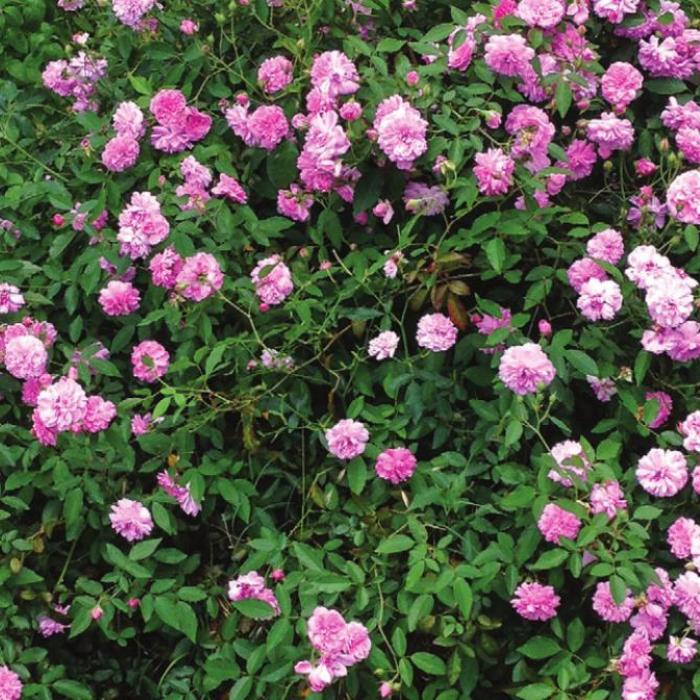
I can’t talk about flowers without mentioning roses. Everyone has an opinion about roses, it seems. Here is mine: the best roses to grow around here are old-fashioned or antique roses – the one’s found growing in cemeteries and around abandoned farmhouses. They come in a wide variety of colors, flower types and scent. Sometimes you can buy them in nurseries. Hybrid roses, especially the knockout roses, are terribly difficult to grow in my opinion. They suffer more from rose rosette disease than the other roses. I have killed many before learning this lesson.
I don’t think it matters much when you plant roses. I would probably avoid planting during the hottest part of the year. I think the best time to take cuttings from rose bushes, just like any plant, is in the spring when the plant is in a vigorous growth phase. If you want to dig up an existing rose bush and replant it, I would wait to do so after the first hard freeze when the bush goes into winter dormancy.
Another reader asked how to revive plants that suffered damage in the week-long deep freeze we experienced two weeks ago. First of all, there is no way to bring a dead plant back to life, at least not that I know of. I’m taking a “wait and see” approach to many of my plants that look dead right now. Over the next few weeks, I’m looking for signs of new green growth. If none appear, I will yank them and replant.
The company MicroLife claims that a couple of their products may help revive extremely cold-stressed plants. MicroLife advises water drenching stressed plants with it’s Ocean Harvest 4-2-3 liquid fertilizer and also applying their Multi-Purpose 6-2-4 granular fertilizer to the soil at the same time. One week later, the company says to water the plants with another round of Ocean Harvest 4-2-3. MicroLife says this treatment will help plants that are suffering from depleted hormones and nutritional reserves following cold stress. You could probably try this with one-two-three punch with any brand of organic fertilizers.
If you give this a try, let me know how it works for you. Email me at andy@fayettecountyrecord.com.