Time to read
2 minutes
Read so far

‘The Stress of Uncertain Times’

A Look at Sheriff Department’s First Line of Support Amidst a 20-Percent Increase in Local Mental Health Calls

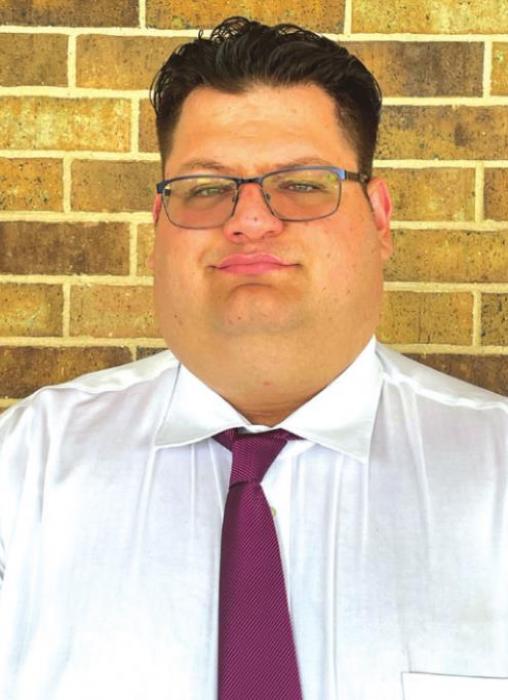
Jeremy Castleberry, the County’s crisis intervention officer.

Police are often the first people called when someone suffers a mental health crisis. In Fayette County, those calls go to Sheriff’s Deputy Jeremy Castleberry, the County’s crisis intervention officer.

Castleberry carries a gun just like other law enforcement officers, but he wears street clothes and drives an unmarked vehicle. He refers to the people he works with as “clients,” not “suspects” or “offenders.”

Castleberry said much of his job involves crisis de-escalation.

“A lot of it is building rapport,” he said “I’m not there to take them to jail. I’m there to get them the help they need.”

“The majority of issues I see are depression, suicidal ideation,” he said. “But we also deal with schizophrenia, bipolar disorder, and a lot of times bipolar goes hand-in-hand with depression. Some people, we’re worried they’re a danger to themselves because of suicidal ideation. Other times they have psychosis to a point where they’re going to get themselves hurt – they’re running into traffic because they’re not aware there are vehicles or something like that.”

Castleberry works closely with Bluebonnet Trails and other mental health services in the area, where his clients can get therapy and medication. In serious cases, Castleberry can arrange in-patient therapy at mental health hospitals.

“If it’s a new call, I go and do an assessment to see if they need to be hospitalized or if we can get them set up with outpatient services like a psychiatrist or therapist or whatever they need,” he said.

Castleberry spends most of his time following-up on clients. He goes to their homes to see how they are doing and to make sure they are continuing their treatment. Castleberry said he has noticed a 20 percent increase in mental health calls over the past year. He attributed at least part of the increase to anxiety over the COVID-19 pandemic.

“People are worried about politics, their jobs, everything,” he said. “It puts a lot more stress on people. A lot of the calls recently are not my regular clients. Most of them are getting along normally. On an odd note, they’re a little more adjusted. Maybe they’re used to a lot of stress and have coping mechanisms in place already.

“But we’re seeing new people,” he added. “I would say most of it is COVID-related – the stress of uncertain times. People are out of work and got behind on bills. It puts a lot of strain on people.”

Castleberry said he often sees drug use, especially methamphetamine use, associated with mental health calls.

“A lot of meth use can mimic symptoms (of mental illness),” he said. “Someone’s family member is using meth and acting differently. The family thinks he’s acting crazy, but they don’t understand.”

Castleberry said he’s thankful Fayette County has devoted resources to mental health. Castleberry said he knows of several suburban Houston law enforcement agencies that don’t have a single crisis intervention officer. He said the biggest challenge in his line of work is finding in-patient facilities for clients who need serious interventions.

“Facilities can be a hard thing to find, particularly for uninsured patients,” Castleberry said. “We’re lucky to have Bluebonnet Trails, because they have a couple of their own facilities that will take in uninsured patients.”

Castleberry said another major challenge is the stigma of mental illness.

“People worry about what everyone else is going to think,” he said. “The first time I follow up on people, they ask, ‘Did anyone see your car outside?’ They worry about the neighbors thinking the Sheriff’s Office came by. That’s why I drive a regular pickup. The stigma is what deters people from getting treatment. I don’t want them to worry about the neighbors seeing me at their house.

“There’s also people who say, ‘I don’t need to go to the crazy doctor,’” he added.

Castleberry said people suffering from mental illness can often lead normal lives with the help of treatment or medication. He compared it to a thyroid problem that can be treated with medicine.

“Unfortunately, a lot of people don’t look at mental health the same way,” he said.

“Honestly, I think everyone in the world would benefit from some therapy every once in a while.”

Look for continuing local coverage of mental health issues in upcoming issues of the Record.