

Local Attends World Economic Forum in Switzerland
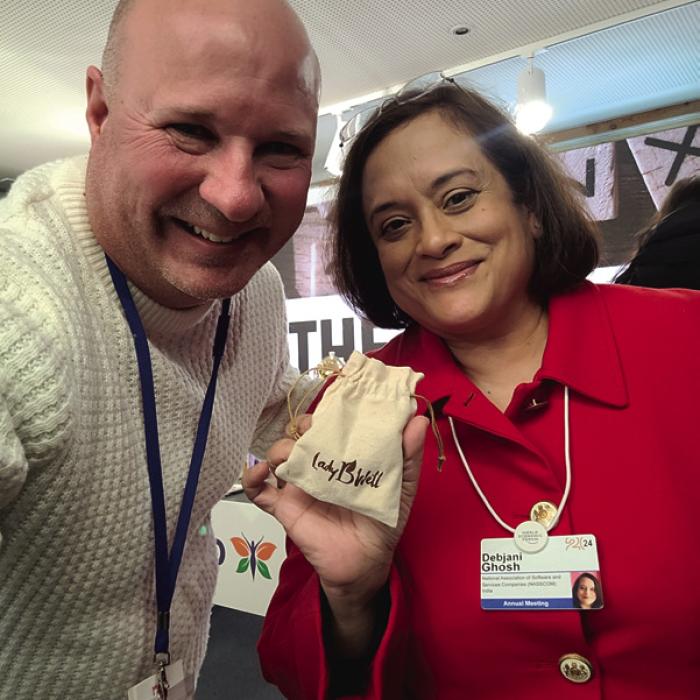
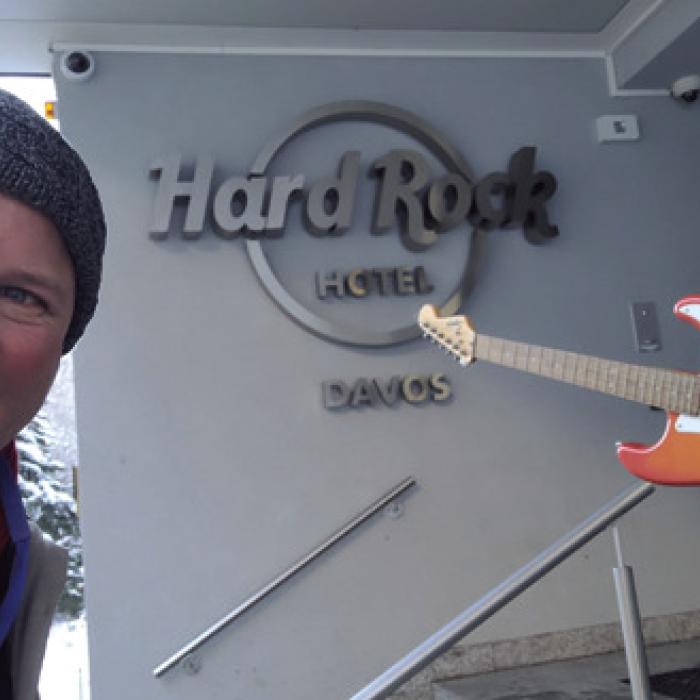
Schulenburg native and international businessman Carman Kobza attended the World Economic Forum in Davos, Switzerland, last week.
He was there to promote LadyBWell, a breast cancer education and prevention program he launched in India about 10 years ago. Kobza provided the Record with some of his observations from the event.
“I stayed focused on Indian and women’s themes since that’s my thing, and I got lucky to be in the center of attention,” Kobza said.
Kobza said climate issues were a big topic of conversation in Davos, especially as they relate to agriculture.
“Farmers are the bullseye to regulate now due to methane gas,” he said. ‘Farmers are prioritized for ‘a take down’ over oil and gas, mining and general industry pollution. Look out.”
In one of the talks, Kobza said the presenters identified farmers as the number one target for reducing emissions – “over cars, industry, coal, etc.,” he said.
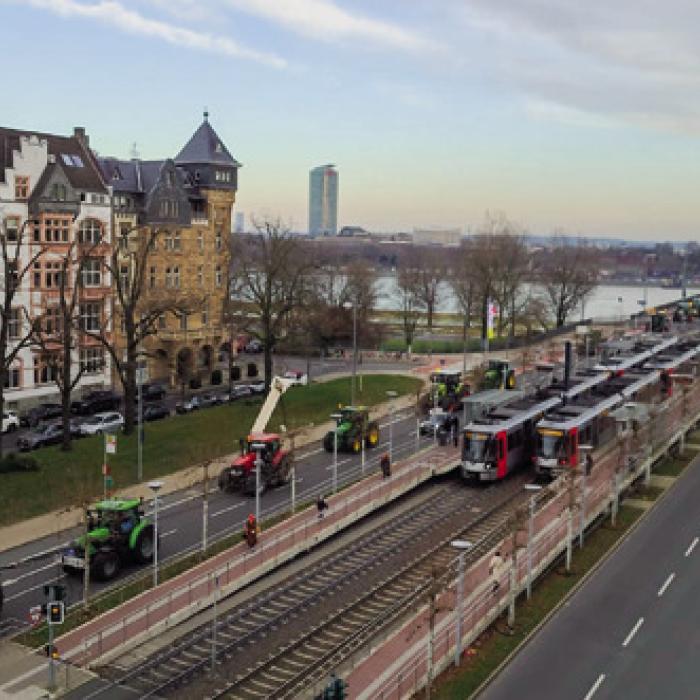
Kobza, who lives in Dusseldorf, Germany, said farmers protesting subsidy changes in Europe are an almost daily occurrence lately. Environmental regulations play a huge part in those subsidy changes. He cited a recent article in The Guardian, a British newspaper, that described the source of the farmers’ angst: “The bureaucracy ties subsidies to ever-shifting conditions,” the article stated. “It nudges farmers to be more environmentally friendly, and threatens huge fines should mistakes enter their calculations. Farmers are painfully aware, and often secretly ashamed, that their money is not made in rubber boots, but at the desk.”
The world leaders at Davos seem focused on farmers in their fight against climate change. It remains unclear how environmental regulations on farmers will affect their ability to feed a growing world population.
Kobza said artificial intelligence (AI) was also a big topic of conversation at Davos.
“AI was promoted heavily,” he said. “But in a dozen conversations with those smarter than me, it was a bit anticlimactic for AI. It seemed like peak hype without a clear sight of substance.”
Crypto currency and blockchain attracted a lot of attention at Davos in previous years.
“(They) were notably on the back burner this year with little to no buzz,” he said. “I guess that’s how it works in Davos.”
Kobza also commented on the controversial speech by the newly-elected President of Argentina, Javier Milei. Milei’s speech in defense of free enterprise described capitalism as the only morally desirable economic system. It was quite the statement considering the political leanings of the global leaders in the lecture hall that day.
“It made big waves for sure in a good way,” he said.
“I was also happy to see that protests and random counter events were happening all around and all took place with relative peace. No one was trying to shut down alternate viewpoints.”
Kobza said he hopes to attend the World Economic Forum next year to present a formal talk on his efforts to reduce breast cancer in India.
“I had meaningful meetings with a dozen top level ministers, presidents, parliament members and NGO leaders who all showed great open-door support and enjoyed receiving and wearing the LadyBWell bracelet,” he said.
Kobza said global business leaders are among his biggest supporters.
“I’ve found the best way to reach and positively impact large cross sections of women is through ethical and caring CEOs,” he said. “It’s the top level business leaders who are in fact my most important supporters. I can never say anything bad about politicians, though, since they support me as well, which I welcome. Whatever it takes.”
Last year, Kobza joined the board of directors for the US based non-profit Early Recognition is Critical (ERIC). Learn more about their work at www.EarlyRecognitionIs-Critical.org.
“Breast cancer prevention is too worthy a cause not to reach for and win over the world’s top impact players,” he added.