


How New Leadership in White House Might Affect Fayette Co.
Fayette County Judge Joe Weber sat down with the Record last Thursday morning to discuss the new federal administration. President Joe Biden and Vice President Kamala Harris took their oaths of office the day before.
“He certainly has my respect,” Weber said of President Biden. “It’s my hope they continue to do things that guarantee our freedom and liberty, and create an environment where everyone can be successful. That’s what the people in this country want. I wish him the best of luck.
“There’s never been a doubt in my mind that he’s the legitimate president, whether I voted for him or not,” Weber added. “He is the commander-in-chief and we need to get on board and support him the best we can. Will I agree with everything he says and all of his policies? No, I probably won’t. But he is our commander-in-chief.”
Biden wasted no time in his new job. By the end of last week, the president signed 30 executive orders.
“We are joining the Paris Climate Accords, and I don’t know how that will affect regulation,” Weber said. “There’s no doubt about it, this administration is not a fossil fuel fan. Trump changed some of the regulations that accommodated natural gas, fossil fuel and coal. It wouldn’t surprise me if some of that is reversed.”
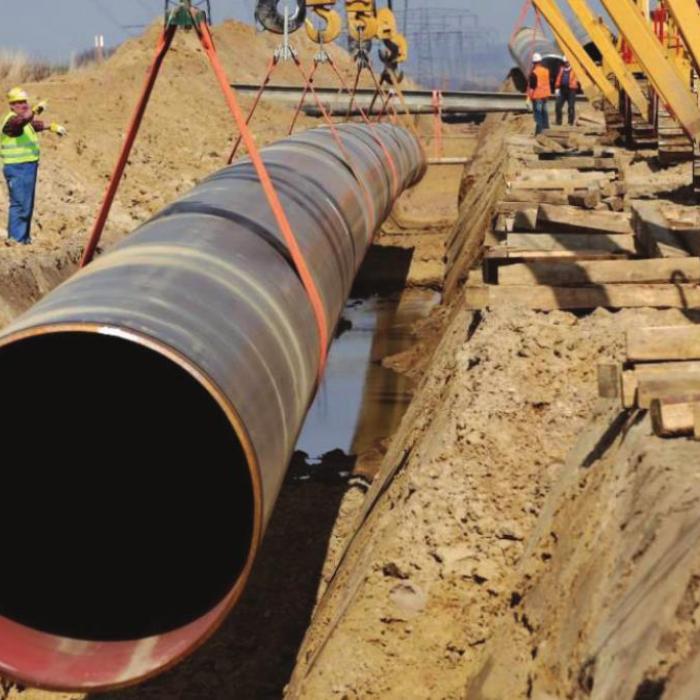
Another executive order signed by President Biden cancels the cross-border permit for the Keystone XL Pipeline, effectively shutting down the massive project. Keystone XL, which has been under development since 2008, was designed to deliver oil extracted from tar sands in Alberta, Canada, to a hub in Nebraska.
U.S. Rep. Michael McCaul, a Republican whose district includes Fayette County, objected to Biden’s decision last week.
“President Biden’s hasty decision to revoke the cross-border permit for the Keystone XL pipeline project will negatively impact not only our economy, but also our national security. The pipeline - 100 miles of which have already been constructed - employs over 10,000 people and has already seen billions of dollars of investment,” McCaul said in a statement issued Friday.
“Cancelling now would waste these investments, damage rural and tribal communities across our nation, and jeopardize the U.S. relationship with Canada, a critical ally,” the congressman added. “Given the oil crisis prompted by Russia and Saudi Arabia last year, we must take advantage of every opportunity to protect our energy industry.”
McCaul called on President Biden to reverse his decision. Weber, on the other hand, said the pipeline shutdown could benefit the oil and gas industry in Texas.
“It’s all about supply and demand,” Weber said. “We are one of the key states in the nation that can produce it, and the nation is still going to need oil and gas.”
Last Thursday the Biden Administration announced a 60- day suspension of new oil and gas drilling permits on federal lands. An article from the Associated Press on Thursday said the suspension could be the first step in a plan to ban all future oil and gas leases on federal land, which provide about a quarter of the nation’s total oil and gas production.
Texas, however, does not have vast expanses of publiclyowned land like Alaska and the western states. Most drilling in Texas takes place on private land. Weber speculated that a halt to drilling on federal lands could lead to more oil and gas activity in this state.
“I think the oil and gas people in Texas are looking at this and saying, ‘Wow, here we go,’” Weber said.
FPP
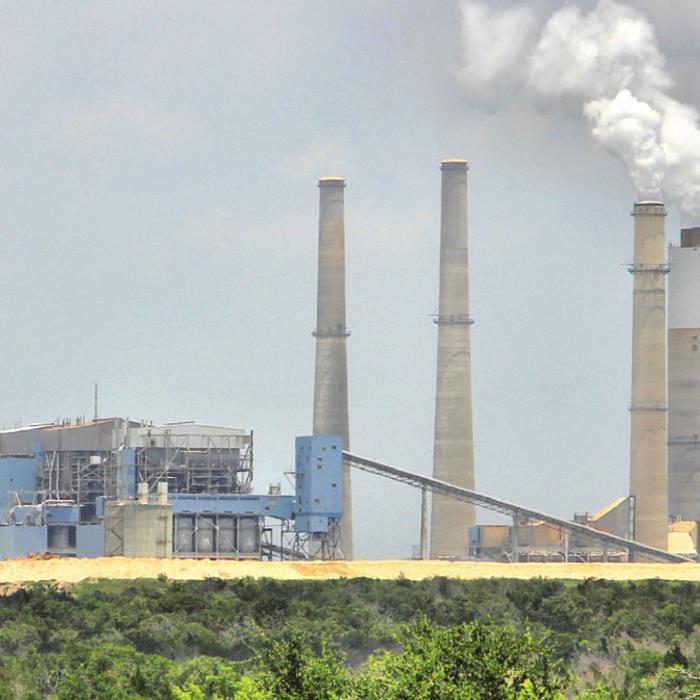
The new administration’s environmental agenda might also affect one of the County’s biggest employers, the Fayette Power Project (FPP). The Lower Colorado River Authority (LCRA) owns and operates the coal-fired power plant. The City of Austin’s power utility, Austin Energy, owns 50 percent of two of the plant’s three units. Austin Energy plans to retire its portion of the plant in 2022 in order to reduce the city’s carbon emissions.
The Paris climate agreement aims to reduce global temperatures by limiting greenhouse gas emissions, especially those from coal power plants. How that will affect FPP and other coal plants the United States remains to be seen.
“LCRA looks forward to working with the Biden administration,” said Bill Lauderback, LCRA executive vice president for Public Affairs, in a statement to the Record. “At this time it would be entirely premature to speculate on the new administration’s energy and environmental agendas.”
Farm Service
The Record also reached out to the local U.S. Department of Agriculture Farm Service Agency office in La Grange. A USDA spokesperson said the department remains committed to assisting farmers and ranchers through the economic effects of the pandemic.
“The goal of the President and his entire team across the government is to make beating the COVID-19 pandemic and restoring the economy his top priorities, and USDA will play an important role in both,” the department said in a statement to the Record. “The normal duties of the Department will continue uninterrupted, including ensuring producers have access to lending, risk management tools, disaster assistance, and other federal resources. As we move forward, we’ll put greater focus on stopping the debt cycle that has kept too many farmers, especially small and medium producers, living in or on the edge of poverty.
“We also recognize that we must create a more level playing field for all producers and a more balanced, equitable economy for everyone working in food and agriculture,” the statement continued. “We will work with communities in food and agriculture, listen to their feedback, and collaborate on solutions that make sense.”