

A History of Weddings
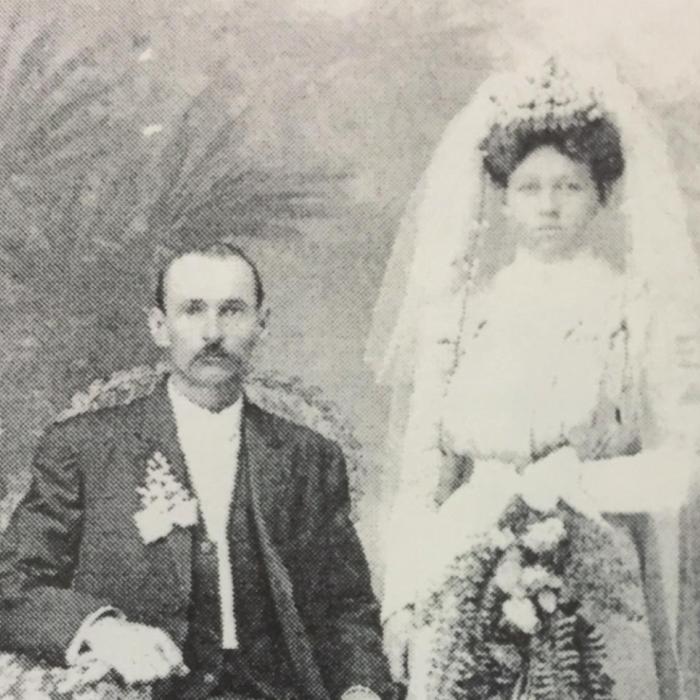
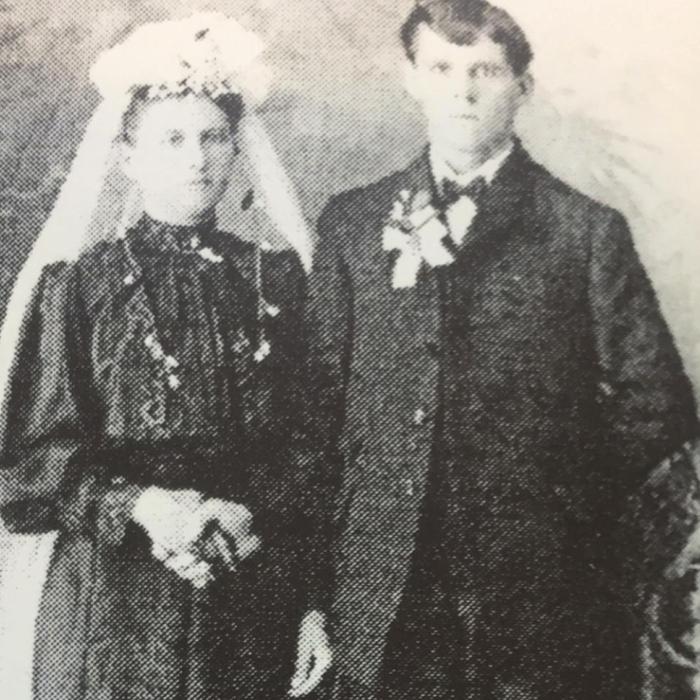
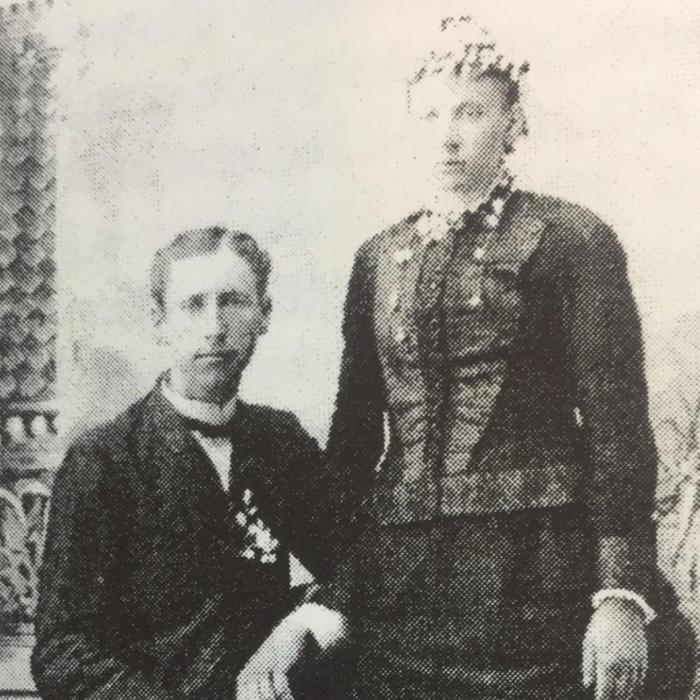
Weddings are always a special event and celebration customs have changed over the years. Early wedding celebrations were longer than they are today and were celebrated by the entire community. A couple’s intent to be married was announced in church three times before the actual day of the ceremony. This was done so that anyone that knew of a reason why the marriage should not take place could come forward and state their objection. Many weddings were held in the fall after the harvest and generally lasted for three days.
The actual wedding celebration was usually held on a Sunday and started at the bride’s parents’ house, where they would sing songs, say prayers and the best man (called the “braska”) read from the Bible. The pastor would not be present at the home before the wedding. Everyone then went to church for the services. Interestingly the bride, back in those days, wore a black dress. I’ve been told that this was to signify the hardships ahead.
Some brides also carried flowers or a Wendish prayer book. The tradition of the bride wearing a black dress began to change at the turn of the century. At first some brides chose gray and eventually white became common. Early wedding services lasted a long time, so there would be chairs for the couple and wedding party to sit in. In the 1880s the couple was expected to give two dollars to the pastor and one dollar to the organist.
After church, everyone hurried back to the house for more prayers, songs and the wedding feast. Since automobiles were not commonly used in this area until the 1920s, wedding guests traveled by foot, horseback, or by festively decorated buggies.
One popular tradition was for local children to hold a rope across the road at a low spot, gate or cattleguard near the home where the reception was being held to keep the wedding party and guests out. The object was to get treats or money from the guests, then the rope was lowered and the wedding procession was permitted to continue.
At some receptions, the wedding party had to bribe their way through several ropes. Once they did reach the house, they found beer and ginger ale waiting for them served by the “braska.” A large feast would be prepared by the couple’s families.
Traditional fare for Holy Cross weddings has always been barbecue, noodles and potatoes. People would be invited to sit for dinner at the wedding table in stages, because there usually was not enough room to seat everyone at once. Although at times a large tent was erected and tables and benches were brought in to accommodate all of the wedding guests. Banquet facilities were not available until about 1950.
Later on in the wedding night, young people who had not been invited to the celebration would come to the house for a “shivaree.” They would beat rocks and hammer on plow sweeps, pans and tubs, making as much noise as they could until the “braska” came out to give them some beer. This tradition is still carried on at many area weddings today and the noise continues until the bride and groom pour everyone a beer.
When dancing became permissible at weddings, a band was hired. The dance would start after the Grand March led by a chosen couple, followed by the bride and groom, their parents, wedding party and other guests. Anyone attending an area wedding has certainly witnessed the intricate Grand March of today, as it can be quite large and maneuvering everyone around in an orderly fashion can be tricky. The tradition of the three-day wedding celebrations died out during the hard times in the 1930s.
Credit to “125 Years of God’s Grace” Holy Cross History Book for the above information.
Warda Farm Bureau
The Warda Farm Bureau meeting scheduled for January has been canceled.
Holy Cross Services
Services at Holy Cross Lutheran are Sunday at 9 a.m. Bible class and Sunday school follows the morning service.
Midweek communion service is held the first Wednesday of every month at 9 a.m.
Sermon links/streaming videos and additional information is on the website, www.holycrosswarda.com.
Faith Lutheran High School
Shadow days are a great opportunity for prospective students to follow us for a day and explore what FLHS is all about. Parents can contact Nikki Kueck at (979)-242-2889 or email Kueckn@faithlutheranhighschool. com if you would like to set up a shadow day for your child.
Everyone is also invited to attend FLHS weekly chapel worship service every Wednesday at 10:30 a.m.
Sewing Circle
The sewing circle is meeting again each Thursday from 9 am to noon in the old fellowship hall. Everyone is welcome to join this group.
Bible Study
The Bible study group class at Holy Cross began Wednesday January 6 for a six-week study and discussion of the book “You’ll Get Through This” by Max Lucado. If you are interested in joining the group please Contact Cyndy Zoch at cyndy. zoch@gmail.com or call (979) 966-3166 for more information.
Prayer Requests
Beatrice “Nellie” McBride, Dolores Wolf, JC Kaiser, Shirley Varner, Rose Marie Kilian, Kaden Hernandez, Pastor Dennis and Georgette Bragdon and the Daffron family.
Special prayer of thanks for Amy Wagner.
Special prayers for all those fighting COVID in our community.
Special prayers for those Shut-In at home: Jim and Betty Duke, Mary Fenzlein, Shirley Going, Larry Kasper, Curtis and Alvina Moerbe, Mary Ann Pietsch.
Birthdays
Birthday wishes are extended to the following celebrants: Adrianne Schramm, Jamey Tabbert-Jan. 25, Frances Gray-26, Mary Sledge, Alicia Moerbe-28, James Teinert, and Avery Davis-30.
Have news to share?
If you have news items to share with readers of the Warda news, email Lisa Gay at Wardanews78960@gmail.com