Time to read
3 minutes
Read so far

Gardening: Thoughts on the Great Caterpillar Invasion of 2021 and Tiller Mechanics

Gardening: Thoughts on the Great Caterpillar Invasion of 2021 and Tiller Mechanics
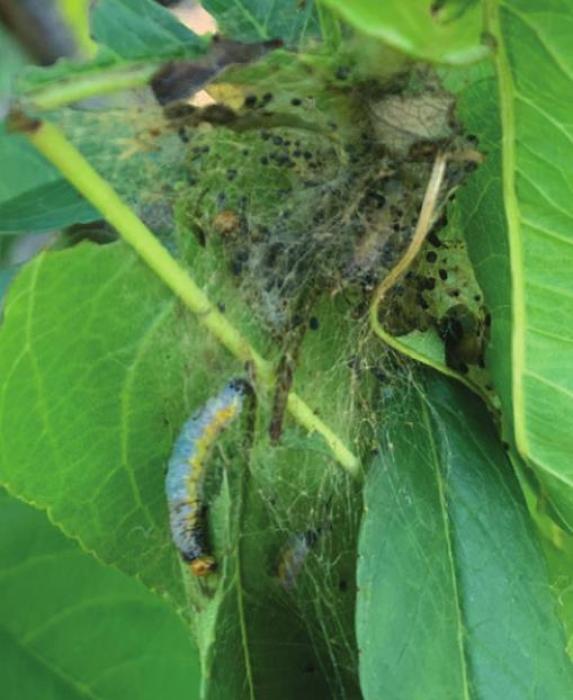
Many caterpillar species, including the webworms munching on a peach tree pictured above, can cause problems in the garden this time of year. BT products are one of nature’s solutions to this problem. Photos by Andy Behlen
Do you have a broke-down tiller like me? Consider repowering it with a replacement engine. It can be cheaper than you think.

Hundreds of species moths and butterflies lay eggs that hatch into caterpillars this time of year. Most of them like to munch on the leaves of our trees, vegetables and flowers, which causes a lot of problems for gardeners.

Don’t be afraid, however. And whatever you do, don’t go out and buy some chemical dust to control them. That stuff may be the biggest cause of the great honeybee decline.

Thankfully, mother nature provides a solution. The Good Lord, I believe, saw fit to create a tiny little organism named Bacillus thuringiensis (BT for short). It’s a soil dwelling bacteria, so otherwise mundane that man may have never given it much notice except for one unique characteristic. This creature produces a toxin that is fatal to several orders of insects including Lepidoptera (butterflies and moths), Diptera (flies) and Coleoptera (beetles). It doesn’t seem to harm honeybees, though. It’s not toxic to pets or humans, either.

Most garden centers carry BT products. It comes in both powder and liquid. I can’t attest to the powder version because I never use it. My only experience is with the liquid version. I often use the Fertilome brand. The instructions say to mix the product at a rate of one tablespoon per gallon of water. Texas organic gardening guru Howard Garrett says to mixing one to two ounces of molasses per gallon of water with it as well. I follow that advice. Garrett writes that the molasses “provides protein and keeps insect-killing bacteria alive on the foliage longer – even during rain.”

Apply to the foliage using a pump-up spray until it drips. Apply in the evening, because sunlight can rapidly degrade the live bacteria. The product should persist for about a week.

I think BT is an appropriate product to use if you experience a really bad infestation, so bad that you may lose the plants.

Caterpillars eventually turn into moths and butterflies, which are beneficial to the garden. They pollinate our crops and flowers. They also provide much beauty to the landscape. I don’t like killing all of the caterpillars. I only spray crops that are heavily infested. They caterpillars and webworms in trees seldom pose an actual threat. You can kill them with BT, but I rarely bother.

I don’t think its right to kill the larvae of Monarch butterflies. In my mind, that’s kind of like killing mockingbirds or armadillos. Instead, I keep plenty of dill growing in my garden. The Monarch larvae love those plants more than anything else. Dill seeds itself every year and grow like weeds in my garden, so I don’t worry if the caterpillars are eating them.

Shadetree Mechanicing

Regular readers of this column probably know how much I oppose regular tiling. Once you establish a healthy bed with loose soil, rock minerals and good organic amendments, you should never need to deeply till the soil again. Tilling too much makes the soil inhospitable for earthworms and beneficial soil microbes. But sometimes you have to till, especially when starting a bed for the first time.

Last year in one of my columns I recommended against buying a motorized tiller and instead renting one or borrowing one from a friend. I still stand behind that advice.

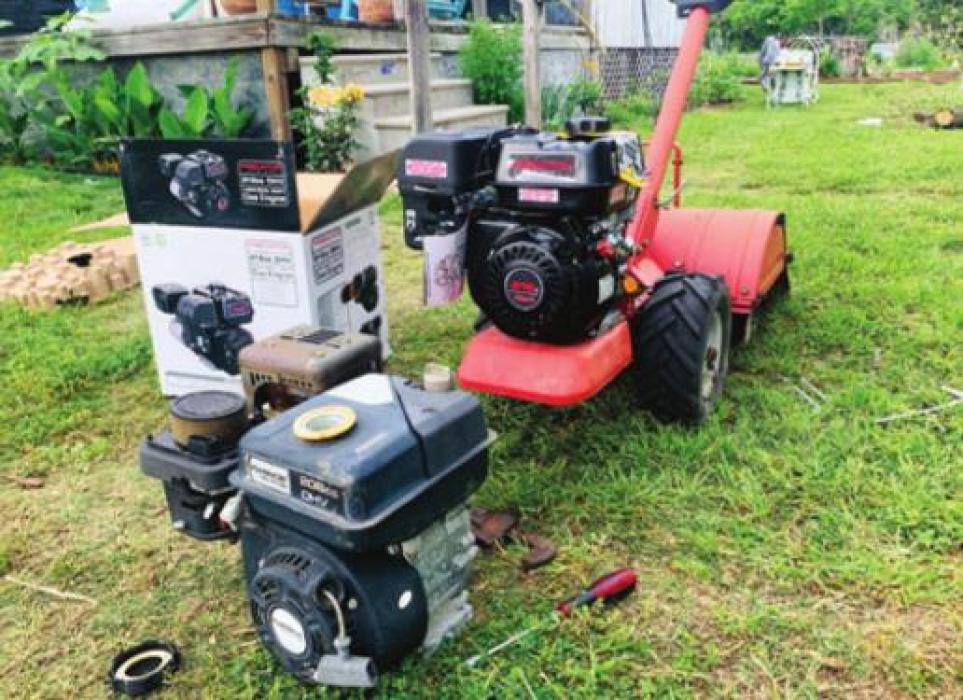
You see, I bought a $400 Made in China tiller about six or seven years ago. It worked pretty well for the first couple of years. But then the carburetor started acting up. Anyone who ever owned a cheap tiller like mine knows what I’m about to say. I only used the machine a few days in the spring every year. But it took a week of work every year to get it running. Several years ago someone educated me on ethanol gas and the problems it causes for small engines. So I started running ethanol-free gas. Last year I still had problems with that tiller. This year, while cleaning the carburetor, a piece of the valve needle broke. Guess what: no one on God’s green earth makes a replacement needle for this carburetor. I tried rigging it several different ways, but I could never get the engine to run. So last week I took a trip to the Harbor Freight store in Bastrop. For $130, I walked out with a brand-new Made in China 6.5 horsepower Predator engine. It bolted right up to the tiller with one exception: the Predator uses a smaller bolt on the crankshaft. (You will need a 5/16 inch diameter both with 24 threads per inch to attach the tiller’s main pulley to the crankshaft, for anyone taking notes.) If you have an old junk tiller, consider repowering it with a replacement engine. In the Greenhouse

The greenhouse at Andy’s Strange and Unusual Plants is bursting with life. For sale this week I have several trays of Malabar spinach. This lovely summer green stands up the hottest weather Texas can throw at it. It has a slightly mucilaginous texture both raw and cooked. Some people call it slimy. I love it, especially on hamburgers and sandwiches. It grows as a vine and needs a tall trellis. It has out grown every trellis I have planted it under. Also for sale are three varieties of tomatoes: “Sicillian Rosso” - a uniquely-shaped heirloom from Italy, “Cherokee Purple” - a productive and tasty heirloom suited for our climate, and “Principe Borghese” - another Italian heirloom grown for sun-drying and dehydration (it supposedly holds the best tomato flavor when dried). All of these transplants are in 2.5 inch pots and cost $3 each. To place an order, email me at andy@fayettecountyrecord.com.