


Asparagus is a Waiting Game, But Patience Pays Off

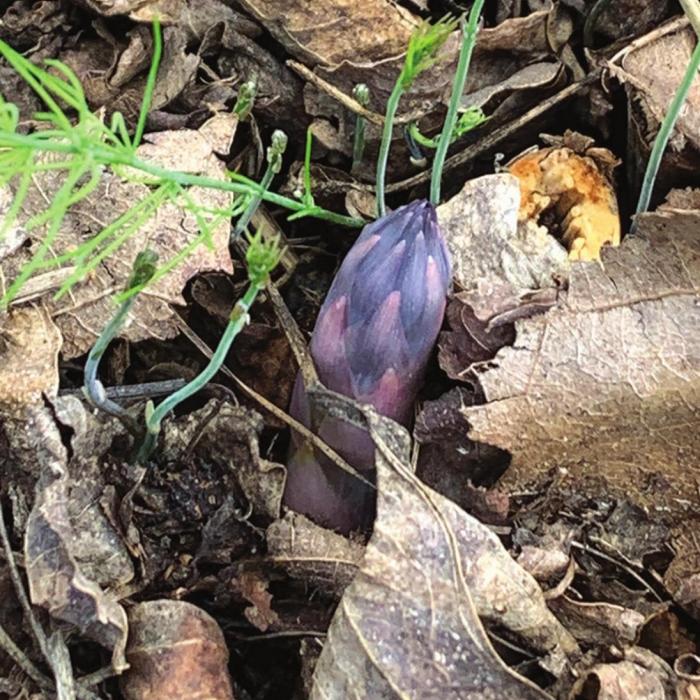
If you like eating asparagus, you should plant an asparagus patch, but it takes a little patience.
You can plant asparagus from seed, but it will take several years to produce a good crop of asparagus spears. Planting asparagus “crowns” will give you a quicker harvest, but it will still take two or three years before a big crop appears.
Asparagus crowns are root sections of the plant that are two years old. Some people say you should plant the crowns in a long furrow four inches wide and up to a foot deep. They say you should cover the crowns with a few inches of compost and then gradually fill the ditch as shoots begin to appear.
I planted my asparagus patch about five years ago in a raised bed. I simply dig a hole a few inches deep and a few inches wide. I planted the crowns as I would any other transplant, but I made sure to spread out the roots a little. I never had a problem.
You should not harvest any spears during the first year after you plant. The plant needs to establish a healthy root system. Just let the spears grow and enjoy the beautiful fern-like foliage. The color turns a brilliant yellow in the late fall.
The second year, you should harvest about half of the spears that are thicker than a pencil. Let the smaller ones grow. Harvest for about six to eight weeks and then let the plant grow. In the third year, you can harvest most of the spears through the middle of the summer. Leave a few to grow. In my experience, the harvest usually begins in February. In late summer, I stop harvesting and let the plant grow into the fall.
You can harvest spears up to 10 or 12 inches long, as long as the bulb on top hasn’t opened. Once the bud opens to form branches, the spear is usually too tough to eat.
The variety called “Martha Washington” is said to be the best all-around asparagus variety for North America. “Jersey Giant” is a popular hybrid variety. “Purple Passion” is a variety that grows purple spears. The expensive white asparagus spears sold at some upscale grocery stores are either green or purple asparagus that the growers “blanched” by blocking light from reaching the plant. They do this by either covering with black plastic or piling dirt on top of the emerging spears. I think green and purple asparagus taste better than the white ones, so I never bother doing this.
I have no idea what variety of asparagus I’m growing, but I think its Martha Washington. It starts out purple and then turns green.
During the summer, female asparagus plants form little red berries that contain seed. Some people dig out the female plants because they are less productive. I have never done so. My asparagus goes to seed every year and it readily volunteers all over my garden. Sometimes I let the plants grow to form a new asparagus patch. If the volunteers get in the way of my other garden beds, I dig up the crowns and plant them elsewhere. The volunteers seem to grow better for me in the ground than in the raised bed where I started them. I have sandy soil. If you have blackland or other clay soil, I might start them in a raised bed just to be safe.
When winter starts, you should cut back the foliage after the first frost and throw the material in your compost pile. If you haven’t gotten a frost by late December, you should cut the tops then. From what I’ve read, you can introduce disease to your asparagus patch by leaving the dead foliage standing. After cutting, cover the base of the plants with a few inches of mulch. I like using leaf mulch.
Asparagus plantings should stay productive for 15 to 20 years, maybe even longer under an organic program. If you allow your asparagus to drop seed like I do, you’ll probably never have to replant unless you move.
Asparagus crowns can be hard to find, but they are sometimes available at garden centers and nurseries. Many varieties are available for sale online. Now is a great time to plant some.
If you have any questions or comments about this column, email me at andy@fayettecountyrecord.com.