


‘Riders on the Orphan Train’ Presentation in Fayetteville
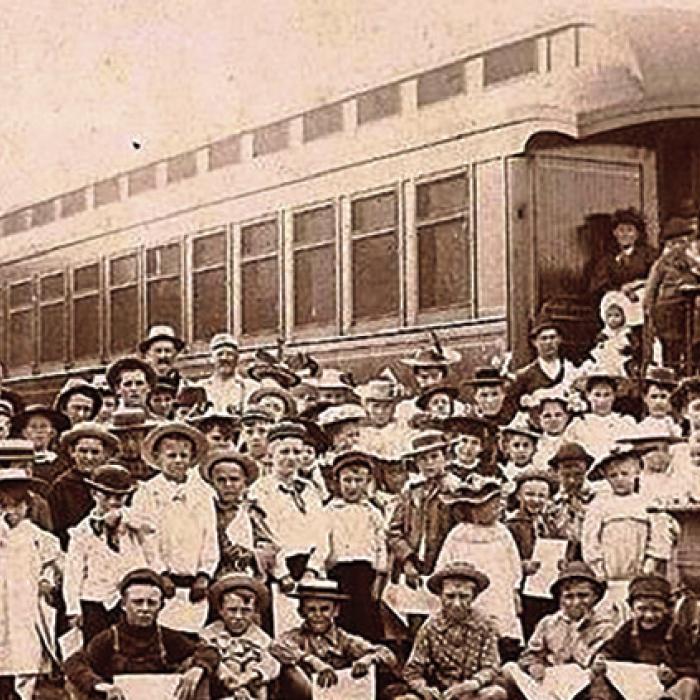
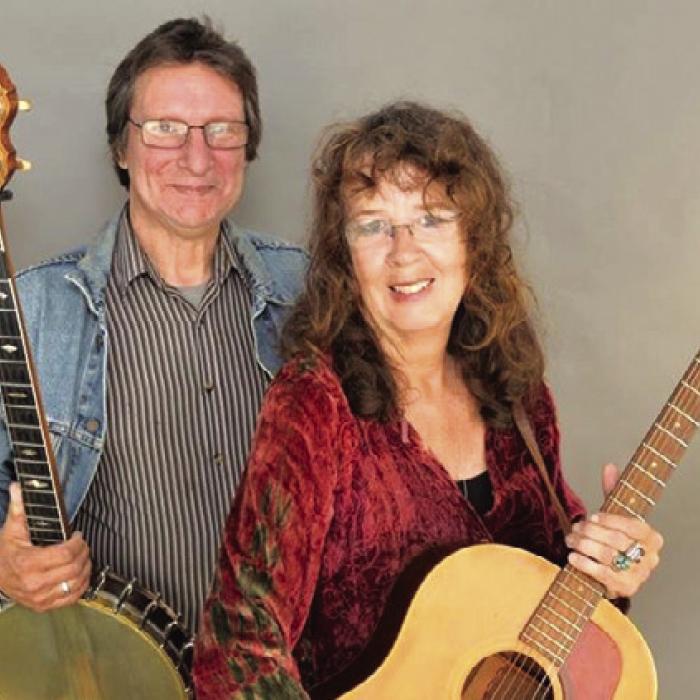
On Sunday Oct. 25, at 3 p.m., the Fayetteville Community Center & Performance Theater will host a free presentation by musician Phillip Lancaster and award-winning author Alison Moore entitled “Riders on the Orphan Train.” This continues the Community Center Speakers Series. All are invited and refreshments will be served.
Few people today know much about the largest child migration in United States history. Between 1854 and 1929 over 250,000 orphans and unwanted children were sent from New York City by train to find new homes in every state in the continental US. The last train went to Sulphur Springs, Texas in 1929.
There is recorded history by the Austin Genealogical Society and in Colorado County archival material that document children coming to Weimar in 1906. And though not found to be documented, Schulenburg and Flatonia were along the same railroad track. The Texas Historical Commission estimates that 1,527 homeless children had arrived in Texas by 1910.
The program on Sunday is the official outreach program of the National Orphan Train Complex Museum and Research Center based in Concordia, Kansas.
Their mission is to raise awareness and preserve stories about the orphan train movement. The program here is funded in part by Humanities Texas, the state affiliate of the National Endowment for the Humanities.
The one-hour multi-media program combines live music by Phillip Lancaster and Alison Moore, video montage with archival photographs and interviews of survivors, and a dramatic reading of the 2012 novel “Riders on the Orphan Train” written by Alison Moore. Although the program is about children, it is designed to engage audiences of all ages and to inform, inspire and raise awareness about this little- known part of our history.
This “placing out” system was originally organized by Methodist minister Charles Loring Brace and the Children’s Aid Society of New York. His mission was to rid the streets and overcrowded orphanages of orphaned and abandoned children and provide them with an opportunity to find new homes. Many of the children were not orphaned but “surrendered” by parents too impoverished to provide for them. The New York Foundling Hospital, a Catholic organization, also sent out children to be placed in Catholic homes. This 76year experiment in child relocation is filled with the entire spectrum of human emotion, from heartbreak to happy endings, and reveals a great deal about the successes and failures of the American Dream.
Local relatives and acquaintances of Orphan Train Riders are especially invited to attend and share their stories with the audience.
Fayetteville Community Center Speakers Series is funded in part by a generous grant from Second Chance Emporium.