


Now is Time to Transition to a Summer Vegetable Garden
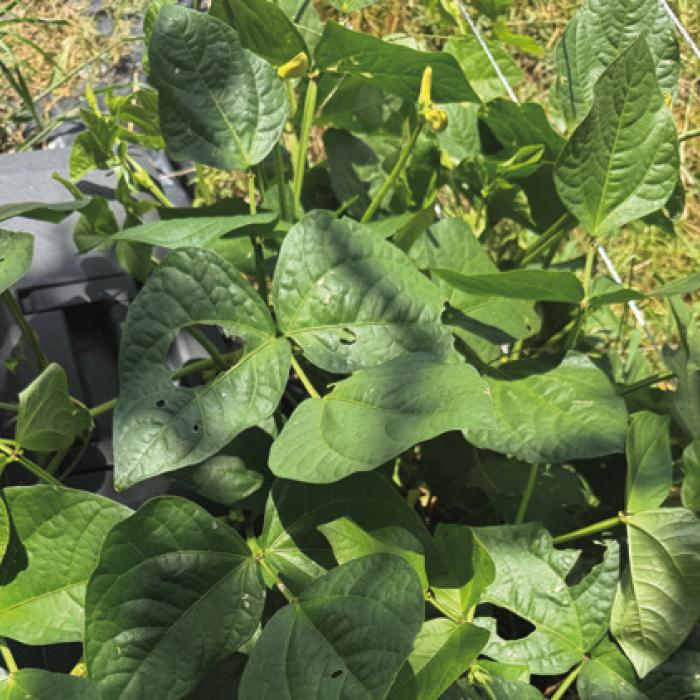

It’s that time of year when spring vegetable crops play out.
Tomatoes stop producing when nighttime temperatures rise into the 80s. The same goes for green beans. Squash bugs and vine borers decimate squash and zucchini plants. Summertime pests like leaffooted bugs wreak havoc on more tender spring crops.
Now is the time to transition to a summer vegetable garden.
The key to a successful summer garden is moisture. The heat and wind in this part of Texas scorches the soil. That’s why it’s vitally important to keep the soil covered during the summer – either with a canopy of green leaves or mulch, or better yet both.
My place in Cozy Corner lies about two miles from the Colorado River (by the way the crow flies). But at some point over the past few thousand years, it meandered through my place and deposited the sand and gravel that makes up the bulk of my soil.
Sandy soil is nice in one way – it’s easy to work. I haven’t used a tiller in years. It also drains well, even in the low spots. But that’s a doubleedged sword in the summer. The heat and wind quickly suck every bit of moisture out of the soil. This time of year, I can water my garden one day and the barren spots look like a desert the next day.
A layer of mulch, though, keeps the soil cool and moist. Weedy patches also stay moist. The green leaves insulate the soil to some extent. Sometimes I’m torn about whether to remove weeds in parts of my garden that aren’t currently growing a crop. Ideally, I should have planted something useful in these spots instead of letting weeds grow.
Nature abhors barren soil. You’ll never find truly barren soil in nature, except in a few extreme environments like the Sahara Desert. But even there, wherever a little bit of moisture is able to stick around, you’ll find plants.
Nature tends to keep soil covered with plants. Sometimes the soil is covered with materials that temporarily block plants from growing there - like mulch, tree litter, rocks or concrete. Eventually, plants will overtake those surfaces, too. Take asphalt roads for an example. If they’re not maintained long enough, eventually some plant will find a crack and grow through it.
This is also how nature constantly builds new soil. Plants grow and die. Plant matter decomposes. Earthworms, bacteria and other soil life churn the bits of organic matter. They mix them with tiny pieces of rock weathered from wind and rain, or bits of shell from ancient marine life living in the oceans that once covered the land. New plants grow in this substrate. The process repeats itself over and over again over thousands of years.
But back to the point of this story – we need to keep the soil covered during the summer – whether with mulch or plants. We might as well grow some useful plants.
So what can we grow this time of year? A lot of folks grow okra. They love the heat. They’re also pretty forgiving if you forget to water them. Okra produces more pods with consistent moisture. But it can survive weeks without water.
Okra isn’t the best ground cover, though. It grows tall with a loose canopy. It doesn’t really insulate the ground that well. A better choice this time of year are the various varieties of field peas. I’m not talking about green peas or English peas – they only grow in cooler weather. Field peas are sometimes called Southern peas or cow peas. Blackeyed peas are the most well-known variety due to their popularity in grocery stores.
But there are hundreds of varieties. Most of them taste better than blackeyed peas, in my opinion. Some of the more well known varieties are purple hull pinkeye peas, Texas cream peas, and zipper peas.
I typically harvest and shell them when the pods turn yellow and the peas are still slightly green. You can also wait until the peas completely dry in the pod. But they cook a lot faster and I think they taste better when fresh.
This year I’m growing a variety called goldeneye peas. A reader gave me the seed last year. I planted them about a week ago along with some sunflowers, and they’re starting to pop up this week.
Last year I grew Texas cream peas, and a bunch of them have volunteered all around my garden.
Most field peas varieties will grow up a trellis, but it’s not really necessary. They tend to sprawl across the ground, and most grow a thick canopy of leaves. Even if you don’t like to eat field peas, I suggest growing them as a cover crop. Planted closely, they’ll block out the sun and prevent weeds from growing. Once established, they’re pretty drought tolerant, too. When the fall comes, mow them down and let them incorporate into the soil.