


Grand Jollification in La Grange
Footprints Of Fayette
Fayette County is one of the most historic counties in Texas. In this weekly feature from the County Historical Commission, a rotating group of writers looks back at local history.
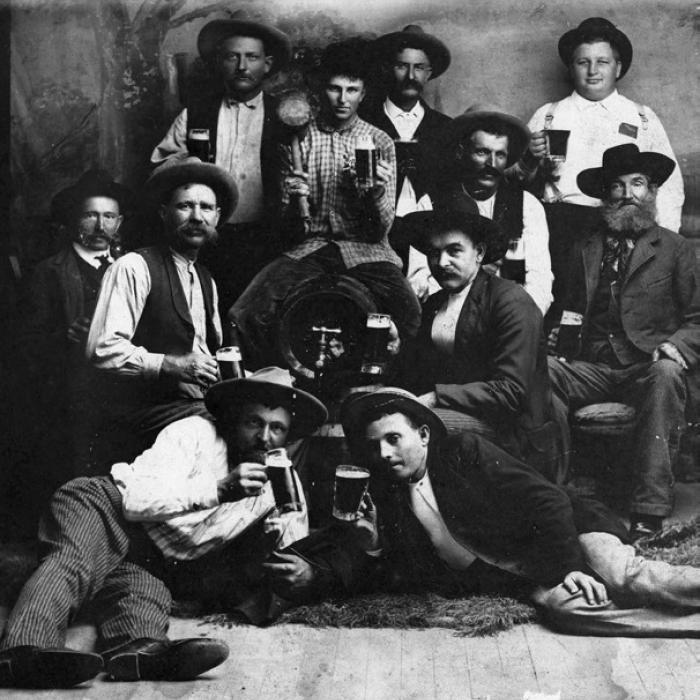
The night of Friday, August 5, 1887 saw a bonfire built on the La Grange square, anvils were fired off until 11 o’clock, crowds of citizens were laughing and hooting in several languages. The La Grange Brass Band was out in full force. Eloquent speeches were made by Senator Lane, Congressman Moore and Judge Rosenthal. The speakers reminded everyone that a victory had been achieved by the conservative element of the people who did not want to see fanaticism prevail and the principles of civil liberty trampled in the dust. What could cause such “jollification” (La Grange Journal’s term) in the town square? There had been a move by the state legislature to add an amendment to the Texas Constitution banning the sale of alcoholic beverages from El Paso to Port Arthur, from Amarillo to Brownsville—Prohibition. The choice was put to the people on August 4, 1887, and the people voted prohibition down by a vote of 220,627 to 129,270.
On the Fayette County level, 3,836 voted against prohibition. The for prohibition vote was in the low 100s. Around the county precincts the votes were: La Grange: 388-125, Bluff: 147-1, Dubina: 105-3, Thulemeyer’s (Freyburg) 92-2, High Hill: 105-0, Schulenburg: 338-37, Ammannsville: 151-5, Praha: 1384, Flatonia: 301-115, Cistern: 105-44, Winchester: 136-57, Fayetteville: 204-5, Ellinger: 217-22, Round Top: 198-3, Nechanitz: 61-0, and Plum:95-48.
In neighboring communities, the anti-prohibition majorities were Bellville: 585, Welcome: 260, Paige: 110, Burton: 297 and Brenham: 208 with reports of similar rejoicing.
Prohibition of state-wide alcohol sales has been a periodic issue with the Texas government. The first time it was brought to a public vote was in 1854 after a law closed all places selling less than a quart at a time, except in counties where the citizens voted to allow it. The law was declared unconstitutional. In 1869, the law prohibiting the sale of alcohol near schools and churches was enacted. In 1876, a provision in the Texas Constitution was enacted providing for a local option to allow alcohol sales, which is still in force, creating “dry” counties. Then came the 1887 attempt discussed previously. In 1908, a vote for the submission of a vote on prohibition was held and narrowly passed (145K to 141K), but it took three years for the vote to happen. So, in 1911, the vote finally occurred and prohibition was narrowly defeated (145K to 141K). Then came the Great Experiment, the U.S, Congress enacted the 18th Amendment or the Volstead Act aiming “to free society from the ills of demon alcohol” (from the FBI website). Well, we all know how that turned out after 13 years of corruption.
The U.S. government repealed the Volstead Act across America in 1932. In 1933, the Texas government decided to allow the citizens to vote for or against prohibition in the state, despite alcohol being made legal the previous year by the federal government. And to confuse the issue, the ’33 vote included a vote for beer alongside an alcohol prohibition. Fayette County responded with a total of 3,962 for allowing alcohol sales and 321 for prohibition to continue. Even more confusing is that the vote to allow beer sales had 3,858 for and 332 against the sale of beer in the county, differing from the votes for alcohol in general. During this time the Feds only allowed the manufacture of 3.2 percent beer.
Future attempts to understand controlling the sale of alcohol in Texas has become convoluted over the years and would drive a researcher to drink trying to unravel it. Thank you to the Portal to Texas History website and the FBI website for the above information.