

1 minute
Not Every Burn is Banned
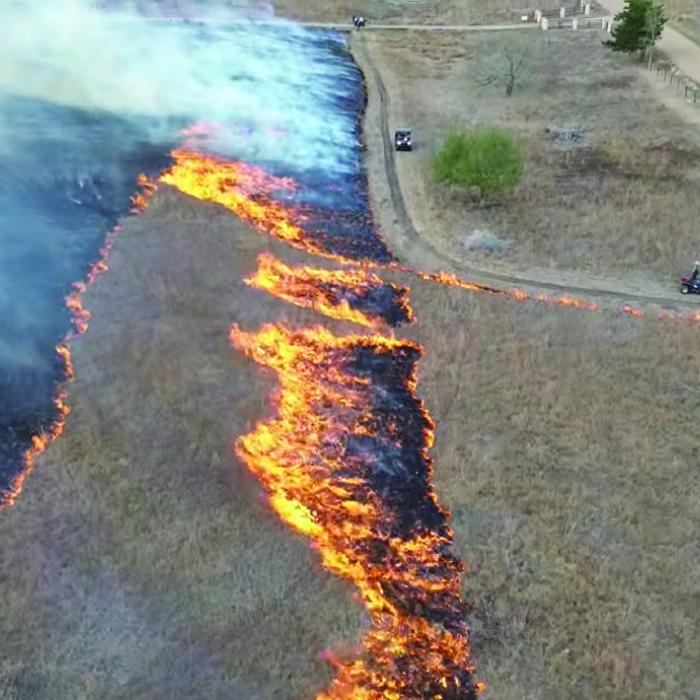
On January 20, we conducted a prescribed burn on our property, treating about seven acres of native grasses. Like many landowners in Fayette County, we use grazing and fire together to maintain healthy, productive land.
Prescribed fire—like the burn shown here—has long been part of this landscape. When used correctly, it reduces excess vegetation and lowers the risk of more intense and dangerous wildfires. When fire is excluded, fuels build up—and that risk increases.
At the same time, not every day is a good day to burn. Safe prescribed fire requires planning, the right weather conditions, and trained people. The absence of a burn ban does not guarantee safe conditions, and responsibility ultimately rests with the person conducting the burn.
In Texas, most wildfires are caused by human activity, especially during dry and windy periods. Responsible prescribed burning helps reduce that risk by managing fuels before they become a problem.
Education and training are key to improving outcomes for everyone. This fall, Texas A&M; AgriLife Extension, the Texas A&M; Forest Service, and the South Central Texas Prescribed Burn Association will host a fire safety training program for landowners and the public. More details will be shared soon.
Thoughtful use of fire— guided by training, conditions, and experience—can help our community reduce risk while continuing to care for the land we all depend on.