


Fate of Four Books Causes Lots of Discussion at LGISD Board Meeting
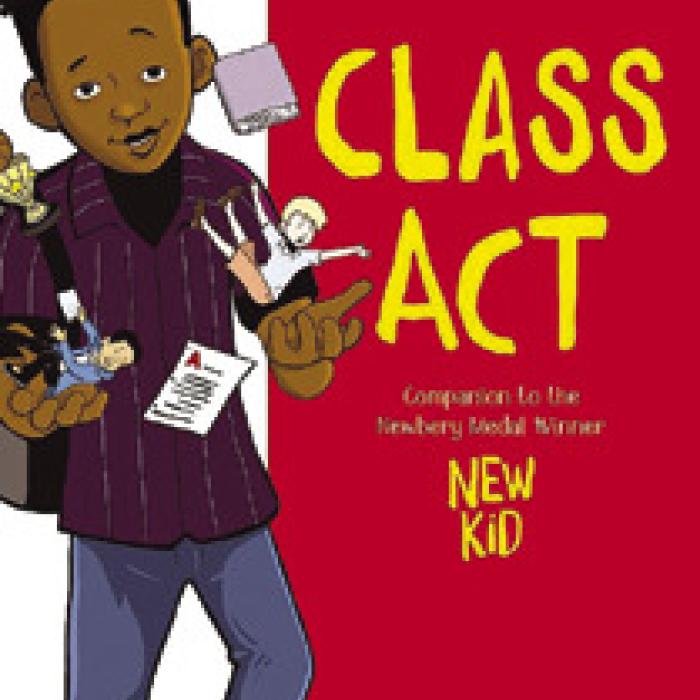
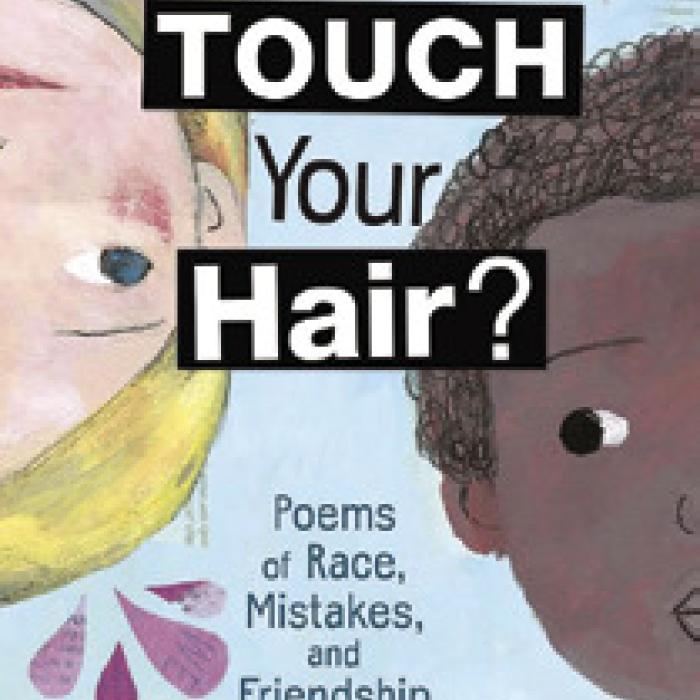
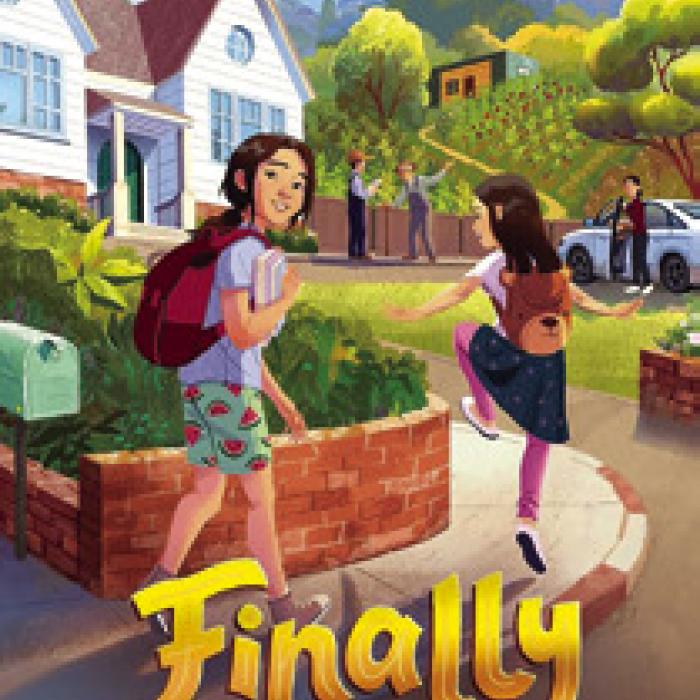
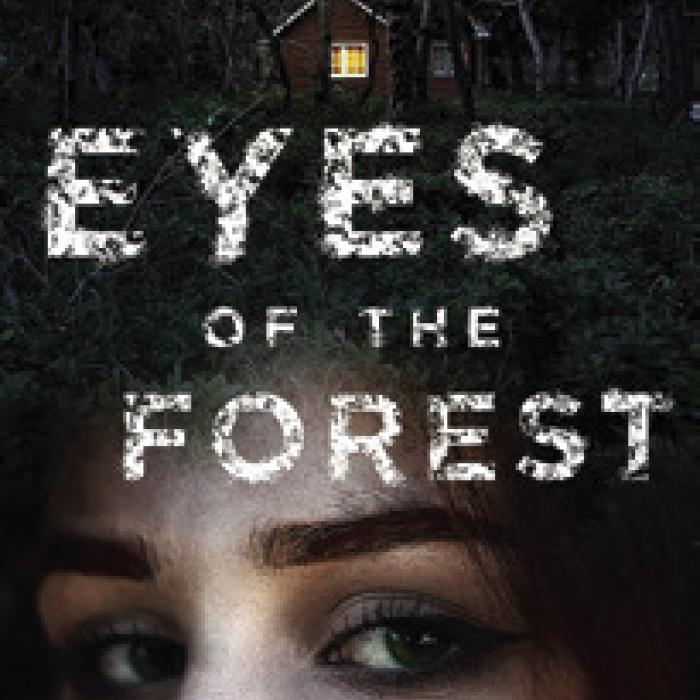
La Grange ISD’s new Library Materials policy changed how new books are added to the library. The new policy was put to the test at Monday night’s meeting when four books from the to-be-purchased list were challenged by school board members Calvin Mersiovsky and Anthony Wessels.
Wessels later voted with the rest of the board to postpone a decision to next month on the fate of the books until they could be evaluated.
Mersiovsky maintained his objections to the books and was the lone vote against a postponement.
According to the new policy, the district-level librarian must submit a list of new library materials to the superintendent for inclusion in a board agenda at least 30 days prior to action. Two board members, acting in concert, may request the board to review, for removal, any materials on the list by notifying the superintendent and the board president. The purchase of those materials will then be placed on hold until the next regularly scheduled board meeting at which time the board members shall present their rationale for desiring to remove the materials from the new library materials order list. The entire board shall vote whether or not to permanently remove the materials from the new library materials order list.
The four books in question are: “Class Act” by Jerry Craft “Finally Seen” by Kelly Yang “Can I Touch Your Hair” by Irene Latham “Eyes of the Forest” by When asked by a board member what the objection to the books was, Mersiovsky said, “Every one of these had key words, or the author has been banned or kicked out in some cases in Florida, Utah, and the closest is the Frisco school district.” He went on to say, “To go through a huge number of books like this, (is hard.) I don’t see anybody going through 600 books in a month. So in the meantime, I am really frustrated that we may potentially be letting more filth in when we haven’t taken the stuff out that is there right now.”
Board member Dr. Karen Roberts asked, “I don’t remember the list of these four books. Is this presented from this packet or was this on another list.”
Board member Anthony Wessels responded, “They were part of the December list.”
Wessels added, “I think this list was also close to 700 books and if there are four in question with indicators from somewhere else, then the next move is can we actually find a copy and read them? This is just based on the indicators and research that Calvin had done. Everything that I have learned is that once we put them in the library, the process to remove them is significantly more difficult. I don’t think we are overstepping bounds to say maybe we should look into it a little further.”
Mersiovsky made a motion to remove the four books from the order list. Wessels seconded the motion.
Roberts stated that she would abstain because she had not read the books.
Mersiovsky stated, “I don’t think anyone here has read them because we don’t have them.” Wessels added, “It’s just a gathering of information from other sources.”
President Drab then asked for comments before the vote.
Board member Mary Gunn said, “Yes, I have a comment. Again, I don’t think anybody has read the books, but what is it that, Calvin, in your research or whomever’s research, what were the triggers that caused them to be banned at other schools? I don’t think that we want the filth and vulgarity and sexual content, I think that’s the main thing that we are looking at in these books. I’m not comfortable unless you have clarification or some sort of evidence that the reason these books are banned is based on the whole reason we formed that committee. And I just don’t know that. I haven’t heard that. I haven’t seen that. So if there is evidence of that, then that clearly goes the function of the committee, but if there is not, and I have not seen that. That is my concern.”
Mersiovsky stated, “I have that other school districts have banned them. Yes, there were trigger words, either vulgarity or explicit (content.)” Gunn replied, “And on what mechanism do we have that. I don’t understand how we get that information. How did you get that information?”
Mersiovsky said, “The guy that has been working on this, and I didn’t do it, but I would back him up on anything that he has done. He says he can type in key words to see if it (the trigger word) is in a book and it will come back and tell you.” He went on to say, “This is just a starting point. Just knowing what we had in the library, I don’t see why asking for this precaution that this popped up. We can all probably go somewhere and read these books, but for now those triggers popped up and they have been banned at other schools.”
Roberts responded, “My concern is that as a board, we don’t know what these triggers are, we don’t know what the content of the books are, we don’t know what the content is as a whole. I don’t want this stuff in our school district either, but at the same time, if none of us have read these books, then we are relying on a trigger word that we don’t know what it was. If we don’t know what these books have been banned for, what the trigger warnings are, I don’t think we should be voting on it. “
Mersiovsky stated, “But these are the rules that we have to go by right now.”
Roberts replied, “Yes, but what have we allocated are the reasons for expelling them from our library. It has not been brought up. It’s been ‘a vulgar word’. It could be one word, it could be two words, it could be a whole chapter full of words. I don’t know that. I want our children to be reading quality material, not explicit and vulgar language, and sexually explicit especially.”
Mersiovsky, “Our rules right now say that if two school board members have a problem with any of the books that are on our order list, we can ask that they be removed.”
Roberts said, “All I am saying is how can I as a board member review that and vote on that without knowing why they were brought to the table. That’s my concern. Because we are a board of seven, and yes, I get that two of us can bring anything to the table, but without being explained to the other five of us why you are recommending that these books be removed, I don’t feel comfortable voting for that yea or nay.”
Gunn said, “So questioning the process, would be to say we don’t know enough about these four books to vote yea or nay, but at the same time once it gets in the system it makes it more difficult. So is there a process by which these four without being ordered, before they get into the system, these books are not ordered, but not rejected so they haven’t been expelled for forever. Is there some sort of process for that? I would be more comfortable with that.”
Roberts said, “My specific question is that once these books were presented at the December meeting, then someone was notified that four books were specifically requested to be reviewed by two board members, why did I never get an email saying that these four books have been requested to be reviewed? I was not notified until I got my packet (on Friday) and in the last three days I didn’t go out and search for these four books to read them. If I had more time I would have made a concerted effort to find and read these books before tonight. I’m sure Anthony and Calvin brought this up to someone before the board packet was sent.”
Wessels said, “It had to be by Jan. 12.”
Roberts said, “So between Jan. 12 and when we got the packet on Jan. 19, could we have gotten that information as a board to say ‘You have a week to review these four books before the board packet comes out.’ I would have made a very concentrated effort to look at those four books so that I would have been more prepared for tonight.”
Wessels asked, “Can we take action to review these four books further before the next board meeting?”
Mersiovsky stated, “It sounds like we are trying to set new policy.”
Roberts responded, “No, I’m not trying to set new policy, this is just the first time this has happened. “
McHazlett stated, “Everyone on the committee knows that we are having to work our way through this. There may be things that come up and they see that there is better way to do this and we hammer that out. I am just saying that there may not always be that length of time between the 30 days and the next board meeting.”
Roberts asked, “So my question is, how do we comfortably vote on books that are brought up from any board member, how we expecting you guys to vote on that if 1) You don’t know the title of the book that is being reviewed, and 2) You are not given the time to review it. I just feel like I am being asked to vote on something that no one in this room has reviewed.”
Mersiovsky stated, “You can abstain.”
Roberts responded, “I did abstain. I’m not trying to create new policy, I’m just trying to make it a general observation of how do we muddle through this, because I don’t feel comfortable as a board voting on these four books if (at least) 90% of us haven’t even read the books and don’t know what’s in the books.”
McHazlett added, “Taking action can mean one of several things. Our policy says to take action. So you can vote to remove them, you can vote to not remove them, you can do like on any other agenda item, where you don’t want to table it, but you can postpone it.”
Roberts said, “I would be completely comfortable with that because now I can pull those four books off the internet and read through them.”
Drab stated, “We have a motion on the table right now to ban those four books, so we need to amend it if we are going to postpone it.”
Mersiovsky stated, “I didn’t say I wanted to ban them.”
Roberts responded, “But you are effectively banning the purchase of those books, so it is a ban.”
Wessels questioned, “Could they appear on another list, or are they completely removed?”
McHazlett replied, “I don’t see why we would put books back on a list if they have been removed.”
Roberts added, “I just want this to be more straight forward so that when we go down this path over the coming months, which we will be doing for many months, that we have a protocol. Yes, we have a policy in place, I’m not trying to change that policy, I’m just trying to make sure that all of us have the opportunity to look at these specific books.”
Mersiovsky stated, “Everybody in this room had the same opportunity.”
Roberts responded, “Yes, we all had the list of the 600 books, and I completely value the two of you who pulled these books. I am not saying anything against you wanting to pull these four titles off the list. What I’m asking for is once these four books, or ten books, or twelve books have been identified, I would like to see the titles of those books (prior to receiving the board packet.)
McHazlett said, “We can do that. As soon as the books are brought to our attention, we can do a better job of getting the titles to you.”
Gunn stated, “I make an amendment to the original motion to postpone the decision on these four books until the next meeting.” Roberts seconded.
Five members, Gary Drab, Mary Gunn, Karen Roberts, Anthony Wessels, and Curt Harbers, voted to postpone the decision. Travis Ulrich was not present and Mersiovsky voted against postponing the decision. The school board will be discussing the fate of these four books at the Feb. 19 meeting at 6 p.m. at the LGISD board room.