

Memorial Day
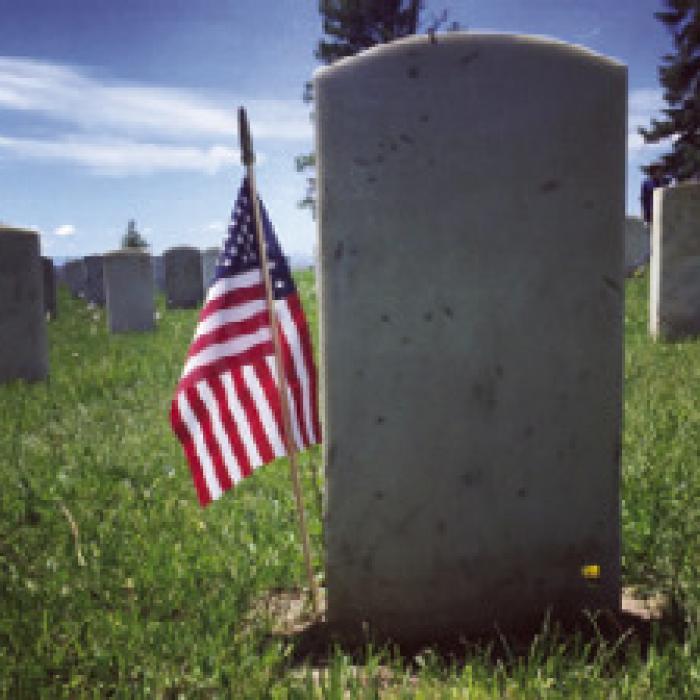
This past weekend, we took a day off, Monday, to remember those who gave the ultimate sacrifice so that Americans could live the way they do. They were willing to give up their futures, their dreams, and even their present lives— spouses, kids, careers, and so on— so that you and I can have the freedom to pursue our dreams. What a gift these men and women have given us as Americans.
Memorials are important because they remind us of where we have been and where we have come from. I have had the privilege of visiting several places in the United States that feature memorials. They are always places of reflection, respect, and thankfulness. They make me reflect on our national history, encompassing both the good, the bad, and the ugly. Through the reflection, it demands that I show respect for those who have gone before me and gave so much for me. The moments of reflection and respect lead me to thankfulness. How can you not be thankful for such a gift?
Memorials are important to us because they give us hope for a better future if we learn from our past. WWI was supposed to be the war to end all wars, but it did not. World War II was the next war that was supposed to be the war that ends all wars, but it did not. Then we had the Korean War, the Vietnam War, the wars in Afghanistan and Iraq. We are currently involved in several other skirmishes around the world as part of our efforts to make the world a safer place for U.S. citizens and promote the growth of democracy. I don’t know your thoughts on all this, and for this article, they don’t matter. What does matter is that men and women were signing up to give all of themselves for you. There are memorials in our nation’s capital to remind us of the events, and more importantly, those who gave the ultimate sacrifice for us.
In the Bible, God asked his followers to build memorials to remember what happened in that place. Jacob built a memorial to remember his encounter with God (Genesis 28). Joseph set up a memorial to his dad after his death (Genesis 50). Joshua erected a memorial to remember the Israelites’ crossing the Jordan River (Joshua 4).
Throughout Christian history, people have built memorials to commemorate significant locations. For example, the Church of the Beattitudes is built where some believe Jesus delivered a sermon, as recorded in Matthew 5 and Luke 6. An example is Golgatha, the Place of the Skull, where some historians believe Jesus was crucified.
When I think of memorials, the place of Golgatha is the ultimate. Jesus even says, “There is no greater love than to lay down one’s life for his friends” (John 15:13). Interestingly enough, many wear crosses today to remind themselves of the gift they have received through Jesus—a memorial of sorts. However, Jesus tells us that we are living memorials. That through faith in Jesus, we are living memorials of a life changed.
When you see a flag, pause, reflect, give respect, and give thanks for all that it represents. When you see a memorial, pause, reflect, give respect, and give thanks for all that it represents. When you see a cross, pause, reflect, and give thanks for all that it represents: new life through Jesus.