


Heat Stroke a Concern for Anyone Working or Playing Outside Here This Summer
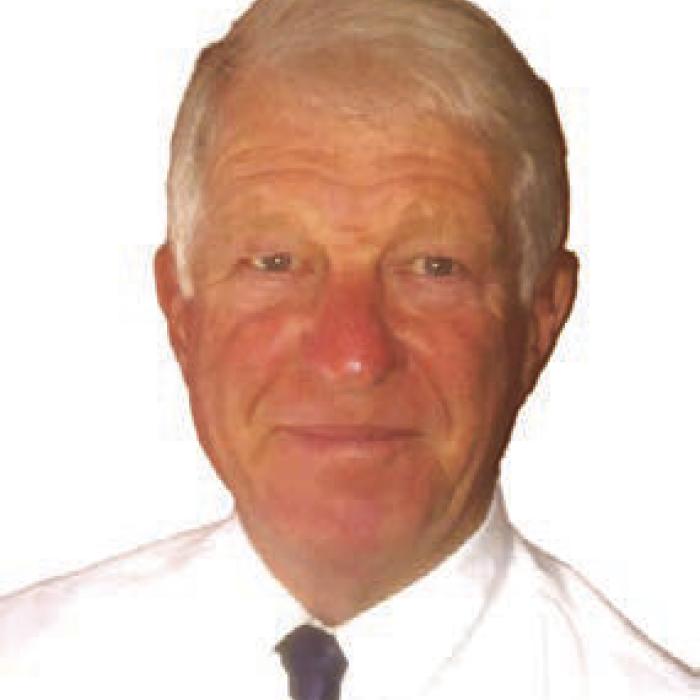
I have worked outside all my life, as a farmer, grounds manager, landscape contractor and rancher, I am always subject to the weather. Cold weather can keep me inside. But hot weather does not slow me down as much as it does most people. You often see me outside in 100 degree temperatures.
Working outside, I once came close to becoming a statistic of heat stroke. Fortunately for me, I recognized the fastmoving symptoms just in time to avert a serious problem.
I was mowing the lawn of a client in Austin on a very humid day. The lawn was large and I was using a heavy push mower. This particular client was my least favorite and I was trying to get the work done while she was away shopping. The lawn was on an incline so pushing the mower up the hill was extra taxing. Controlling the mower coming down the hill added to the strain of the job.
When I started mowing that day, the temperature was in the high nineties and the humidity was in the high eighties, with patches of fog. To make matters worse, the irrigation system had sprayed the lawn just before I arrived. I did my regular plant maintenance before I started mowing to give the lawn time to dry.
Sweat was already pouring from my body before I started mowing. A quick drink of water and I began the long task. My clothes were soaked through before a quarter of the lawn was mowed, but I kept going. Sweat poured steadily over me and my body temperature was climbing. With hot air blowing across my brow, my thinking was becoming confused. I was starting to cramp and feeling nauseous. My heart was pounding a mile a minute and my skin was red. As I finished the lawn, I noticed I had stopped sweating.
Fortunately for me, the previous week, I had written an article on heat-related symptoms for the Texas Association of Landscape Contractor’s magazine. The article outlined the symptoms of heat exhaustion and heat stroke. The most serious symptom of heat stroke is the body stops sweating. I only had one clear thought: I needed water and I needed it quickly. I staggered to the truck, drank as much water as I could and poured the rest of the water cooler over my head and sat down in the shade of a tree near the driveway.
In a few minutes, my client drove up and demanded to know why I was loafing on the job. I told her, I was suffering from heat exhaustion and trying to avoid a heat stroke. Her words to me were “Get the he!! off my property, you look like a bum.” I pushed the mower across the street to another client’s lawn and moved the truck. I sat under a tree until I recovered. No one was home and no one came to ask if I was okay.
Extreme heat can be a killer. But heat stroke and heat exhaustion all start with dehydration. There are two types of dehydration. First is a lack of water. Water depletion comes from excessive sweating. The second type of dehydration is salt depletion. This is why heat stroke symptoms include dizziness, muscle cramps and nausea. Many people begin by getting a throbbing headache.
If a heat stroke is in progress, the skin becomes hot, red and dry. By the time most people stop sweating, they vomit and/or faint. Some people have seizures while others become unconscious. Immediate help is needed and without it, the person can have a heat stroke and die.
What actions should you take when some is having a heat stroke? First, give the person suffering as much water as they can drink. Remove any tight or unnecessary clothing. Pour water on the person’s head and body and apply a cool towel to the forehead. Ice packs can be positioned on the person’s armpits, groin, neck and back. Get the person out of the sun and into shade or a cool room. Using a fan to move air across the body helps. Call 911 if the person has any symptoms of heat stroke and especially if they are vomiting, having seizures or become unconscious.
The same question always pops up at this time of year. How much water should an outdoor worker drink to stay hydrated? I had already drunk more than eight glasses of water before I started mowing. When you are outdoors, it is wise to drink before you get thirsty.
I could have added sea salt to the water jug and perhaps I would not have reached the point of heat exhaustion. It only takes a little more than a teaspoon in a gallon of water to replace the electrolytes that drain from the body as we sweat. Sweet drink electrolytes, caffeine-charged drinks and alcohol do not help and can make things worse. Table salt will work if sea salt is not available.
Dehydration can cause a multitude of problems. Frequent dehydration can lead to kidney stones. (If you’ve had kidney stones, you know the pain thy can bring). So, when you are outdoors, be very aware of the symptoms of heat exhaustion. Drink water before you become thirsty, take breaks and add some sea salt to your daily water intake. It could save your life.
David E. Will is a local rancher and consultant. He can be reached at 830-6299876.