


Let’s Talk Elderberries

Someone asked me the other day whether the frost has past and if it’s safe to start planting their spring garden.
“You’re guess is as good as mine,” I told him.
I guess we’re safe. I haven’t planted any tomatoes or peppers yet but I probably will this weekend. My wife Janessa picked the last of our beets on Tuesday and cleaned up the row they were in. I’m going to set up some trellis for pole beans in that row this week.
We could still get a late freeze. If we do, I’ll just give the nurseryman some more money.
Long-time readers of my column might recall my fondness for crafting “unique” trellis structures out of what my wife calls junk – old spring mattresses, bits and pieces of leftover lumber, scraps of chicken wire or hog panels – basically whatever I find lying around the property. Janessa doesn’t always share my discriminating tastes in garden landscape design. Accordingly, I started using a different trellis material.
To be honest, this stuff is just a lot easier to use. I’m talking about plastic trellis netting. The brand I currently use is Hortonova. I haven’t seen it available in local stores. I bought some online from hosstools.com last year. They sell it in three sizes: 48 inches by 16 feet long ($9.99), 48 inches by 50 feet long ($19.99) and 59 inches by by 328 feet long ($79.99). You can probably find it available elsewhere.
I simply attach it to T-posts with zip-ties or pieces of garden twine. I space the T-posts about 12 feet apart and stretch the netting tight, which I have found adequate to support even heavy vines such as cucumbers and bitter melons.
If you are getting your spring garden ready, I recommend setting up a birdbath somewhere in the garden. Have you ever noticed strange damage to your tomato fruits that looked like something poked a hole in the skin and sucked all the juice out? It’s probably from thirsty birds. They’re more interested in the water than the fruit.
You can alleviate this problem by providing the birds with water. Birdbaths provide a nice architectural element to the garden as well. Those same birds might stick around and eat pest insects like grasshoppers.
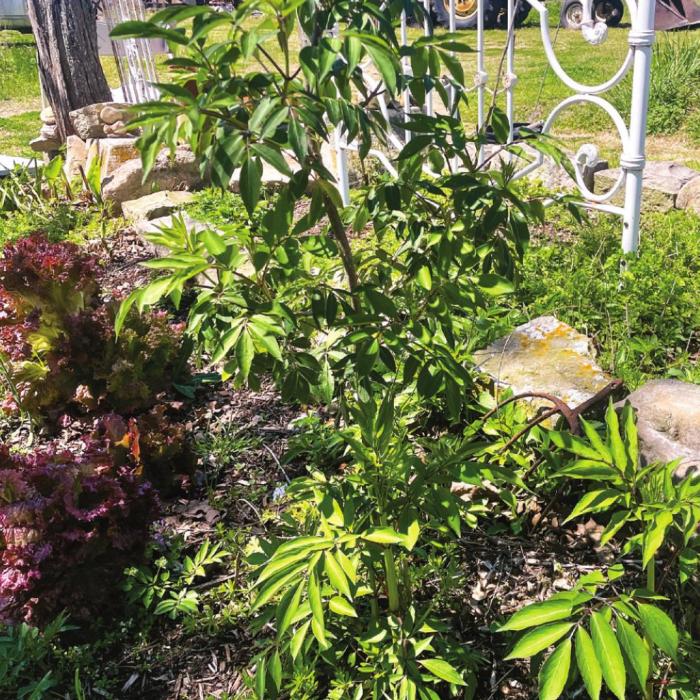
Last year I planted a pair of elderberry trees in the landscape. This week I noticed they sprouted about a dozen “pups.” I’m incredibly excited about possibly harvesting some elderberries this year.
Elderberries (genus Sambucus) native perennial that grow into a large shrub or small tree. My two trees were given to me last year by John Ferguson, owner of Nature’s Way Resources and one of the foremost experts in organic gardening in Texas. He also owns property in Fayette County. The specimens he gave me were propagated from trees growing on his property. They appear to be very adapted to our climate.
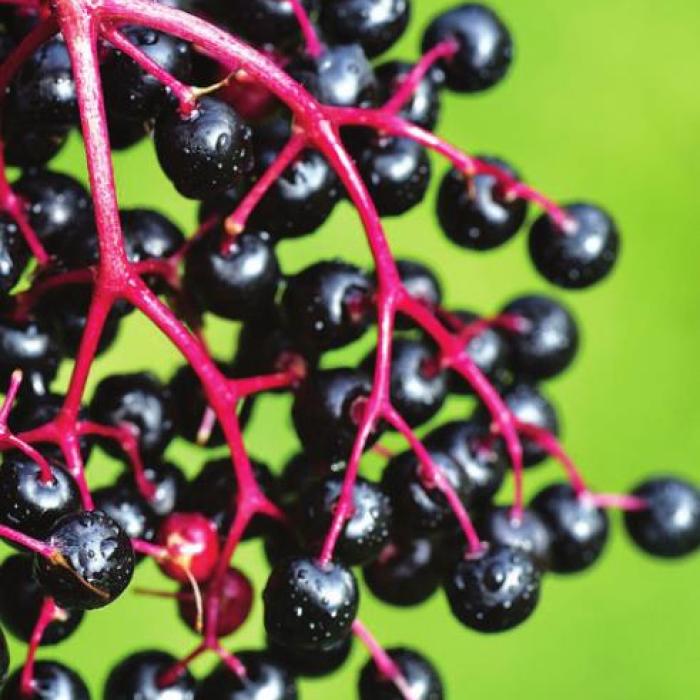
Elderberries are considered a native species in Texas. The plant’s showy, cream- or whitecolored flowers bloom from May to June. Those flowers turn into clusters of green berries that turn purple-black as they ripen.
The berries are reportedly toxic if eaten raw. Cooking or fermenting the berries renders them non-toxic. The juice can be made into syrup, jellies or jam. It can also be fermented into wine. The flowers are non-toxic and are supposed to be very tasty. The berries and flowers are used medicinally for many purposes.
Best of all, it’s a beautiful landscape plant that can grow 10 feet tall or more. If you learn to identify it, you can probably find it growing natively around creek bottoms and at the edge of tree lines. Several sources say elderberries prefer a location at the edge of a tree line. Others say they grow best near a stream. I’ve heard of some market growers who raise them in full sun.
Plant some elderberries in your landscape for an interesting edible ornamental.