


A History Lesson on County’s Namesake
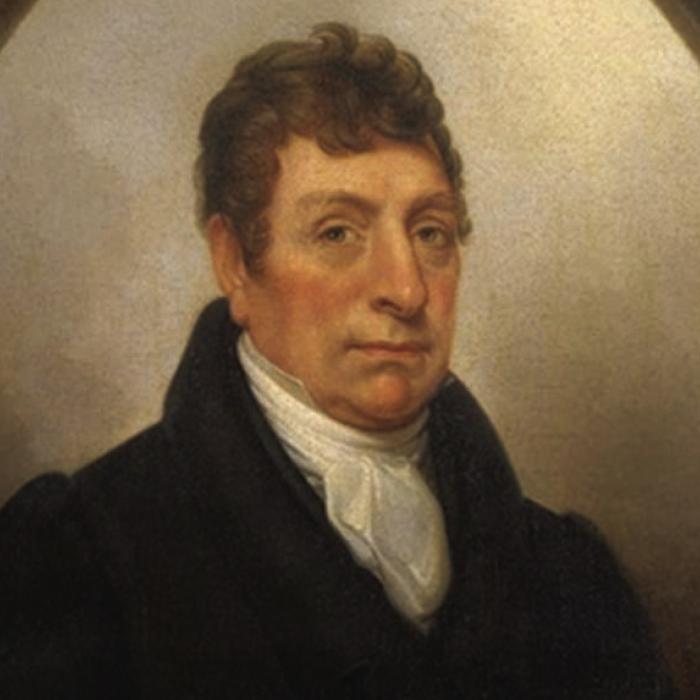
On August 15, 1824, at nearly 67 years of age, The Marquis de Lafayette arrived in New York to begin his tour of the United States.
Lafayette was accompanied by his son named Georges Washington. It was 41 years after the American Revolutionary War and only 37 years until the start of the American Civil War.
Lafayette’s return to American soil as the official “Guest of the Nation” triggered an unprecedented, deeply emotional wave of public nostalgia across a rapidly industrializing country. Stepping off the packet ship Cadmus onto a packed Manhattan pier on Aug. 15, the aging general was greeted by over 80,000 weeping and cheering citizens, turning his arrival into a massive civic festival that halted business for days.
As the absolute last surviving major general of the Continental Army, Lafayette served as a sacred, living monument to the ideals of 1776, binding a politically fractured nation together through a shared memory of sacrifice. His grand tour across all twenty-four states acted as a profound, fleeting moment of national unity, offering a young republic one final opportunity to honor the French aristocrat who had bled for its freedom before the gathering storm of the Civil War tore the Union apart.
In 1826, John Henry Moore built a twin blockhouse within what are now the city limits; he named it Moore’s Fort. Area settlers sought shelter there from Indian attacks, and by 1831 a small community had developed around the fort. A town was platted in 1837, and when the Congress of the Republic of Texas established Fayette County that year, La Grange became its seat of government.
The county had been named after the Marquis de Lafayette, and the county seat took its name from his chateau. The Marquis de Lafayette had been in this area of Texas during his historic visits throughout the 24 states.