


Tornadoes: A Beautiful and Terrifying Force of Nature

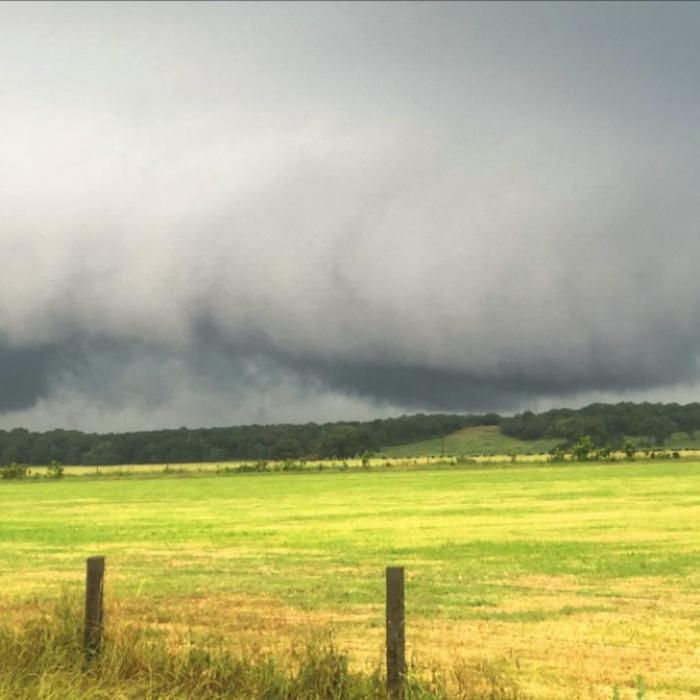
Tornadoes are columns of air that can throw cars, level mobile homes and can pick well built structures off their foundations, but they can also be one of the most beautiful things you can ever see, as you watch the funnel twist and churn with all of Mother Nature’s wrath.
Tornadoes can appear anywhere in the world, but here in the central United States we have a special combination of weather phenomena that make us the tornado capital of the world. Tornado Alley stretches from just south of Fayette county to the bottom quarter of North Dakota. Tornadoes are more likely to appear here than anywhere on the planet due to the dry cold fronts that come off the Rocky Mountains and from Canada, that then mix with moist hot air that comes from the Gulf of Mexico to create large storms that can produce tornadoes.
Tornadoes can range from nothing more than a dust devil to massive wedge storms that have winds up to 300 mph that drop softball-sized hail and half a foot of rain. These destructive beasts are rated on the Enhanced Fujita scale from 0-5 based on the amount of damage the storm causes, not on wind speed, which is commonly thought.
EF0 storms have wind Speeds of 65-85mph and cause minor damage that includes some shingles taken off roofs and damage to gutters, branches broken off trees and shallowrooted trees pushed over.
EF1 storms have wind speeds of 86-110 mph and cause moderate damage that includes completely stripped roofs and broken glass and windows.
EF2 have wind speeds of 111-135mph and cause considerable damage that includes roofs torn off houses, foundations shifted, cars lifted off the ground and mobile homes destroyed.
EF3 storms have wind speeds of 136-165 mph and cause severe damage that includes stories of houses destroyed, severe damage to large buildings such as hospitals, and the debarking of trees.
EF4 storms have wind speeds of 166-200 mph, devastating tating damage that includes well constructed houses completely destroyed, cars and smaller objects thrown like missiles into the ground or structures.
EF5 storms have wind speeds of 200 mph plus and cause incredible damage that includes houses destroyed and swept off their foundations, steel reinforced concrete structures badly damaged, trucks and trains thrown up to a mile away.
To give you some perspective, the tornado that hit McCourt and Son’s two years ago was an EF2. Luckily, most tornadoes don’t get larger than that. We don’t know how tornadoes work, but they are beautifully terrifying whirlinds of immense power.
The weather for the next week will be hot and dry with average highs of 100° F. The only astrological event worthy of note this week is a new moon on Monday, July 20. If you have any topics for suggestion or comments, feel free to contact me at tomy3290@gmail.com.