


The Fayette Power Project at 50
A Look Back at the History and Future of the Coal Plant Outside La Grange

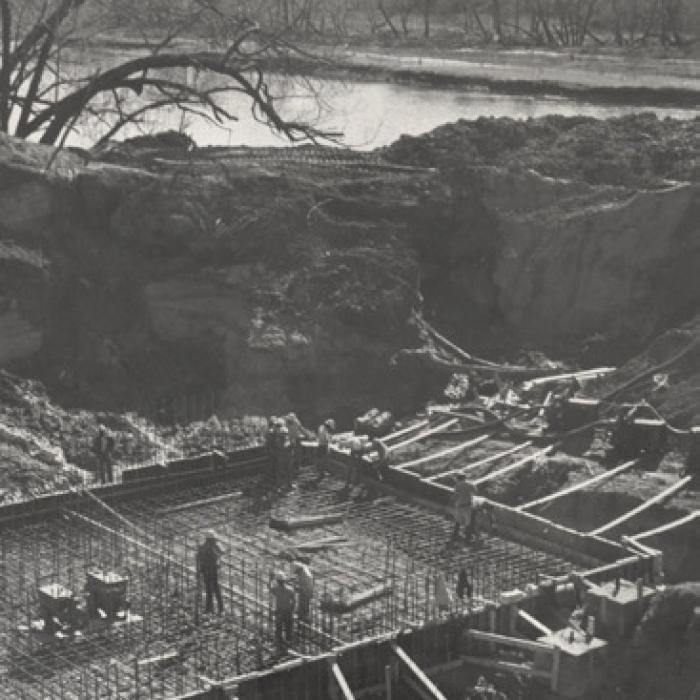
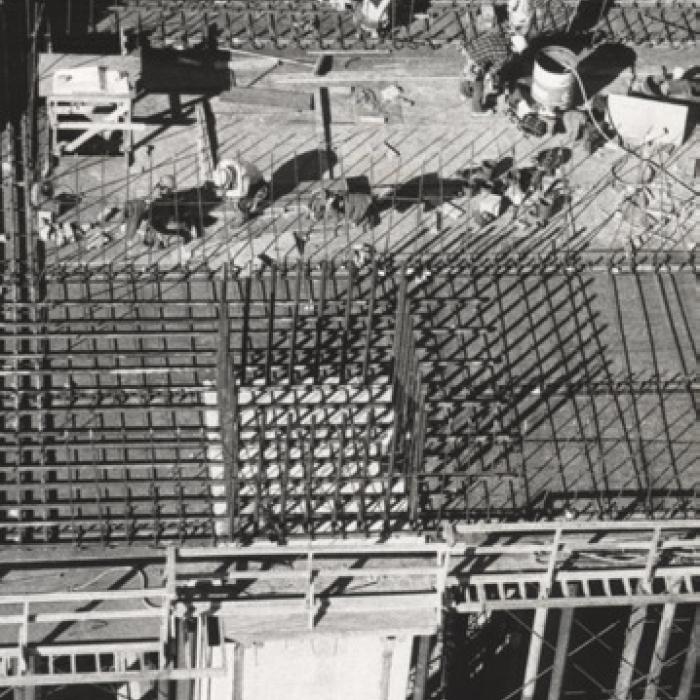
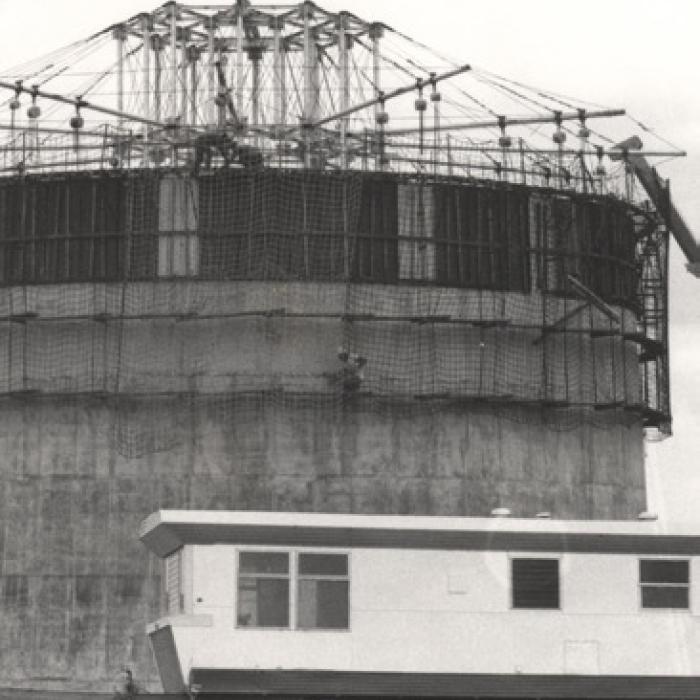
Fifty years ago, the Lower Colorado River Authority (LCRA) selected the site for what would become the Sam Seymour Power Plant, also known as the Fayette Power Project.
Over the next few years, the state-chartered river authority would condemn thousands of acres of land around the community of Biegel, which now lies under the plant’s cooling reservoir, Fayette Lake.
The first coal-fired unit came online in 1979. Today, its three units generate a combined 1,600-plus megawatts of power. That’s enough power for more than a million Texans. It has provided good jobs for a lot of folks in and around Fayette County.
According to the U.S. Energy Information Administration, the average age of coal plants that retired this year in the United States was 54 years.
As the Fayette Power Project (FPP) gets closer to the half-century mark, it might be time to ask: what lies in the future for the plant?
The Record recently asked LCRA, and here’s what they had to say: “LCRA intends to continue operating the Fayette Power Project as long as it continues to provide reliable, cost-effective power to our customers. We would also note that FPP continues to meet all applicable environmental state and federal regulations.”
The plant underwent a major overhaul in 2011. LCRA spent hundreds of millions of dollars on upgrades including new scrubbers to avoid running afoul of federal environmental regulations. Coal power still had widespread support. Former presidents George W. Bush and Barack Obama both touted “clean coal” technologies to reduce pollution while maintaining coal’s place in the nation’s energy portfolio.
But today, the political winds have shifted. The federal government offers huge incentives for carbon-neutral energy projects – wind, solar, and increasingly, battery-storage facilities.
Austin Energy, the City of Austin’s electric utility, coowns a portion of the plant with LCRA. Back in 2020, the Austin City Council approved a plan to shut down its portion of the plant by the end of 2022. The plan was part of Austin’s push to reduce emissions.
“Austin Energy was unable to achieve a viable and affordable agreement with operating partner LCRA to exit our share of the Fayette Power Project by the end of 2022. However, we continue to pursue this goal,” the utility said in a recent statement to the Record.
The City of Austin has still pledged to produce 100 percent emissions-free electricity by 2035. It remains unclear how they’ll achieve that goal given LCRA’s commitment to keeping FPP operational, at least for the time being.