

Farmers at Harvest Time: An Appreciation
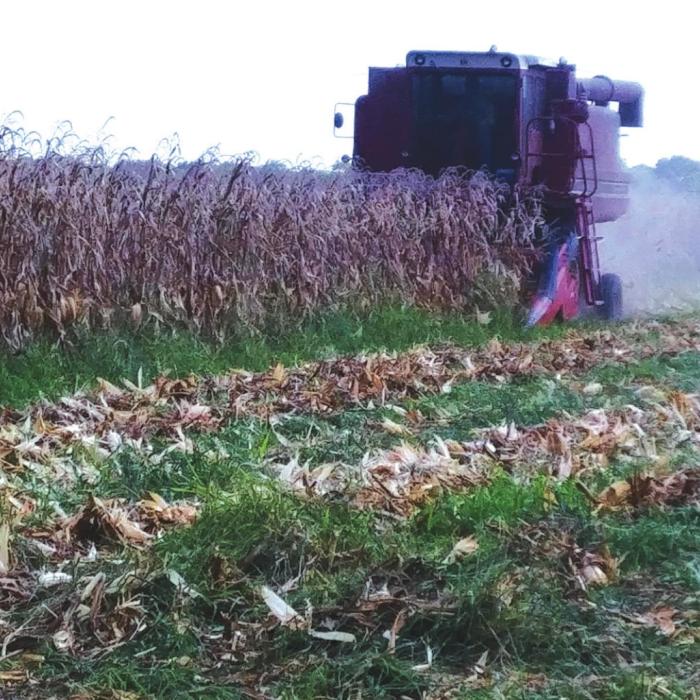

Harvest season is officially over. The corn is either stored in the grain bins or being sold. Citizens of La Grange/Fayette County can see grain trucks hauling the corn to local feed stores or grain storage bins.
It all starts in March with planting the seeds. After that process, every farmer’s life gets busier than usual; fertilizing, spraying and praying for rain. And, famers have to constantly be on guard for wild animals entering their planted fields. This year, farmers had trouble with wild hogs. Groups of hunters do the best they can to stop the wild hogs from ruining the crops and fields. And, of course, fences have to remain secure so that cattle do not enter the fields and tear down the corn. It is a 24/7 job.
Farmers/ranchers have a comradery with each other. Have you ever heard them talk about the corn they have planted? The conversations can be hard to understand because of the agricultural lingo and the technical terms. For example, genetic traits to repel insects are now available in almost any variety of corn seed offered. Also, resistance to certain herbicides allows farmers to control grass and weeds by spraying instead of plowing. This saves fuel and conserves moisture. Different varieties of corn exist as well such as 1244, 6345, 5736, etc. I am sure it all sounds bizarre to most of you but it is everyday jargon to farmers.
Before the corn can be harvested, a moisture test is taken by the farmer and if is 15% or under moisture, it can be stored but if it is over 15% moisture, it has to be dried. If over, it remains in the field longer. The day finally arrives and the test proves the optimum moisture level is reached. Grain bins are cleaned out and all machinery is finely tuned. The combine can be heard coming down the road, the adrenaline is flowing and it is time for the crop to finally be harvested.
Many people do not know anything about harvesting corn or how a combine works: (1) The header cuts off the plant close to the ground and moves most of the plant into the machine. (2) The cut crops move toward the center via turning augers and travel up a conveyor. (3) The threshing segment of the combine beats the cut crops to break and shake the grains away from their stalks. (4) The separated grains travel by conveyor into a grain tank. The unwanted stalks, husks, cobs and/or bits of leaves
– known as chaff or residue – move along different conveyors, as more grain falls through into the tank. (5) When the grain tank is full, a tractor with a grain cart on the back pulls alongside the combine. The grain is carried up from the tank by an auger and falls out of a tube into the grain cart. (6) The residue exits the back of the machine to either be spread across a wide area or baled for cattle feed. Most machines use a straw chopper to make it smaller and more manageable.
It is fascinating to watch the machine work its magic on the crop. Our own grandchildren couldn’t wait to see the whole process in motion. They had the chance to ride in the combine as well as walk in the corn field. They not only enjoyed the ride but it was a great learning experience. And, to my husband’s surprise, a UPS delivery man stopped and asked my husband how the combine actually works.
Harvest time is busy. Ask any farmer who has been through it; grueling hot August days, machinery may/may not work, hours and hours of riding either on the combine or in a vehicle. Farmers do not get the credit they so deserve. The crop may not get a fair price, seeds/ fertilizer are expensive and new equipment is extremely costly. A new combine can cost around $300,000 to $500,00 without add-ons. What is sad is that many citizens do not realize that their vegetables, milk, etc. come from the hard work of a farmer.
Yes, harvest time is over. Plans are already being made for next year’s crop. Fields are being plowed, money is being saved for seed and machinery is being tweaked or fixed. Farmers are a proud group. They are loyal to their profession and they love the land. The farmers are the backbone of this country. They make this county great.