

The Wonders of a Good Rain on a Garden
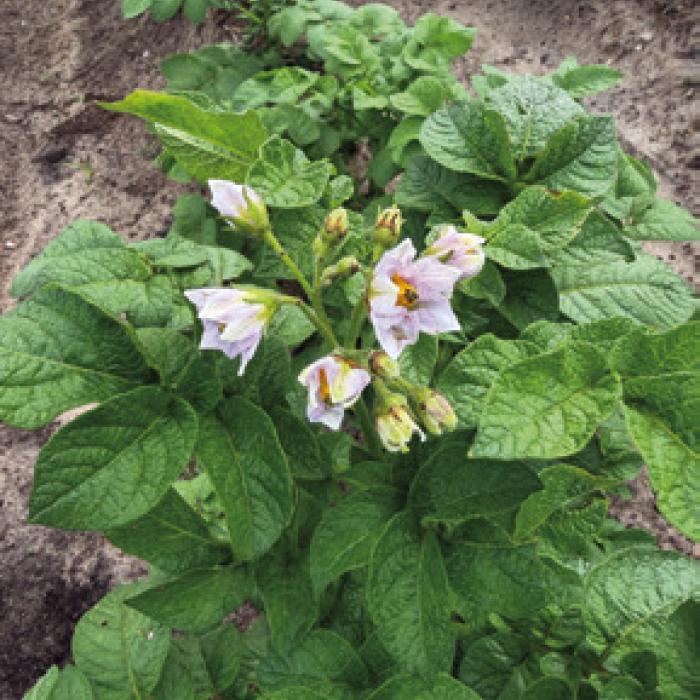

The two inches of rain that fell at my place over the weekend really perked up the garden.
I’m always amazed at the effects of a good shower compared to irrigation with well water. Rain, especially when accompanied by a thunderstorm, adds a little nitrogen to the soil. But that little bit of nitrogen can’t possibly cause my potato plants to grow four or five inches overnight. There’s something else about the rain that makes plants respond so vigorously.
Throughout history people have differentiated between “live” water and stagnant or “dead” water. Water that moves such as water from natural springs or rivers is naturally cleaner than stagnant water sitting in a pond. It makes sense that people living in ancient times had an affinity for these kinds of water sources. In some cultures, traditional cleansing rituals require the use of “live” water from a spring or river.
In modern times, there seems to be some scientific evidence to support this differentiation. Rain droplets that fall from the sky spin in a vortex-like pattern. Flowing water shares this characteristic. Some researchers theorize that this spinning action increases dissolved oxygen and breaks apart clusters of dissolved minerals into smaller pieces, making them more bio-available to plants. They call this “structured” water. Some companies have started making special nozzles for agricultural irrigation equipment to introduce these effects for irrigating crops. They claim it improves germination rates, increases plant mass, reduces water requirements and reduces the need for fertilizers, pesticides, and herbicides. The recent rain in my garden has definitely increased plant mass. During a stroll through my garden Tuesday morning, while musing on the rain and structured water, I made a few observations, which I thought I’d share.
Last year I planted some Aztec broccoli, also known as huauzontle, or Chenopodium nuttalliae, to be specific. This heat-loving plant produces delicious salad greens reminiscent of asparagus. It also grows a seed head that somewhat resembles broccoli. In some parts of Mexico, the green immature seed heads are traditionally deep-fried in an egg batter and served with a tomato-based sauce.
Last year I planted them for the first time from seed quite late in the spring or early summer. As a heat-loving plant, I thought I could try them as a summer-sown vegetable. I wasn’t that impressed with them last year. The leaves they produced were tiny, and the seed heads seemed to mature and dry out as soon as they appeared on the plant. They produced copious amounts of seed, and lots of it volunteered throughout my garden. I allowed a few of them to grow. Wow, I’m really impressed with them this year. I think the trick is to germinate them early in the spring. The leaves got a lot bigger this year, and I think they’ll make some edible seed heads.
Elsewhere in the garden, I’ve been patiently waiting for my radicchio to grow heads. I started them from seed way back in November. I tried my best to protect them during the freezes. Quite a few survived. But before last week, they seemed to have stalled. The biggest plants maybe had six leaves. A few of them completely withered to roots and then sprouted a leaf or two. But they seemed to have flipped a switch about a week ago. They’re really starting to grow now, and I’m even seeing the beginnings of a few heads.
All of my cilantro has bolted. Such is the way of the world. The slightest amount of heat sends cilantro into flowering mode. They still have a lot of good leaves down low on the plants. But sooner or later, the seeds will appear and the plants will die. I’m planting some papalo seeds for the first time. This cilantro-substitute supposedly thrives in the summer heat. I guess I’ll find out.