

Porch Talk
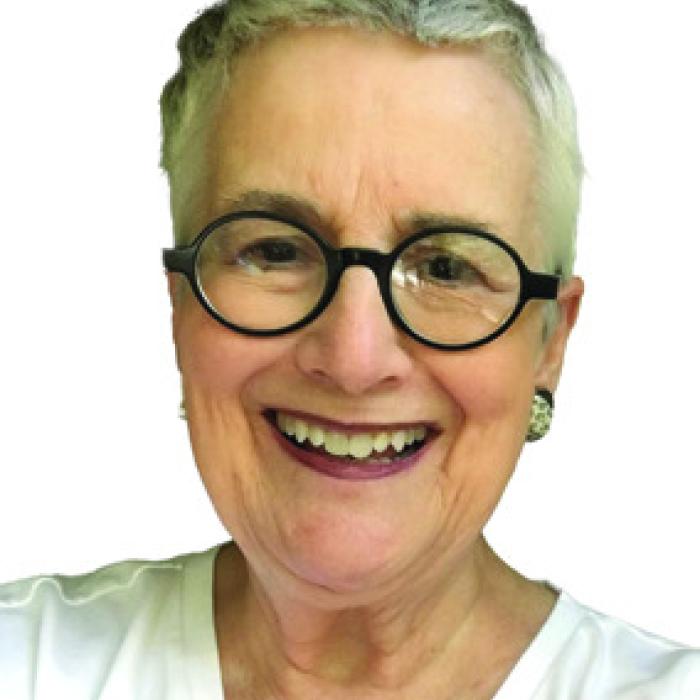
Sometimes I sit on the porch in late afternoon and if I’m lucky there’s a cooling breeze and a chorus of birdsong from every side. And I think about how long I’ve lived here alone – over five years now. Sometimes I talk to my late husband and bring him up to date. And when I do that I occasionally surprise myself.
This afternoon I found myself talking about the Pandemic, which was still going on when he died. I was explaining that the scars it left have not healed; they are in fact inflamed.
And most people aren’t even aware that this is what rubs sore places in their souls. What sets their teeth on edge, keeps their shoulders tight and high, and fills our highways with rage.
It’s part of human nature, of course, that profound trauma can be felt at one time by a large number of people who don’t know each other.
Also, it’s true that if the trauma is not acknowledged, its effects have nowhere to go except inward, where they fester. We are told we shouldn’t talk about it. That we must “move on, get past it.”
Doesn’t work, though. Human beings don’t function like that. I tried with Nine-Eleven. For hours I didn’t know if my son and his wife were safe in lower Manhattan. I still tear up at unexpected references to that awful day.
The Pandemic operated on a world-wide scale. The disruptions and displacements were felt everywhere. We felt them, and go on feeling them—if we’re honest with ourselves.
The effects keep percolating through our lives. Whole categories of jobs, along with familiar stores and restaurants have disappeared. Costs soar. Supply chain inconsistencies continue. New appliances seem to fall apart more quickly. Nothing seems to “work” as well.
And all around us, people are meeting for business, social, and health purposes on Zoom, while traffic along our streets gets heavier anyway.
It’s like the ground we thought was solid and would hold our weight as we walk, suddenly has jellified. A step can sink us up to our knees, or hips. Or worse, it can be into thin air and we are plummeting.
If you live alone—and if your budget allows good internet— you may find a benefit in connecting remotely to people with shared interests.
That’s been true for me. Most of my group interactions these days take place online. And this is fortunate because, since the pandemic, I can no longer be in a crowded public room with low ceilings. Two times when I tried to do it, I caught Covid.
And maybe that brings up the worst part of post-Pandemic life—the part that lingers like a bad smell no one acknowledges.
Trust. We seem to have lost the capacity to trust each other. We keep acting like if we make our circle of friends smaller, and draw it more tightly to us, that we can relax and have the kind of faith we always took for granted, before. Faith in safety, predictability, likeness. Faith in each other.
But that’s hard when just under the surface we’re still grieving for the world we lost—five years ago, six years ago, half our lifetimes ago… I have suggested before, as well as to friends in conversation, that what we need is a National Day of Mourning for the upheaval caused by the Pandemic. Serious mourning for all we lost, including many of our dreams for the future.
Giving that lost world the dignity of formal, detailed recognition may be exactly what’s needed to allow us to move forward into the future we’re in now without so much anguish.