

I’ve Bean Thinking Of Legumes


I love growing beans. Green beans, dry beans, lima beans, field peas, yard-long beans – I love them all.
You can’t really say you’re a gardener if you don’t at least plant some green beans. But there’s way more to beans than the green variety.
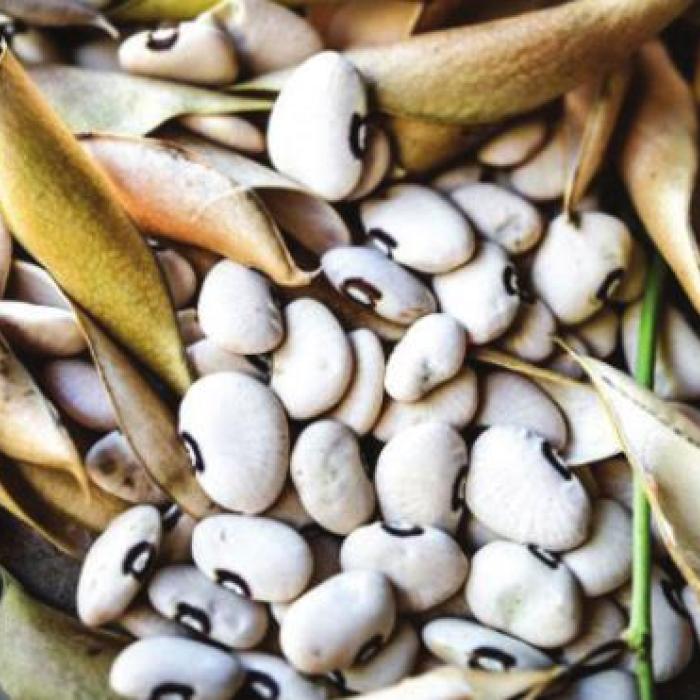
Some folks might say it’s not worth planting dry beans like pintos or black beans because you can buy them so cheaply at the grocery store. Sure, but I bet you can’t find a purple and white speckled 1,500 year-old cave bean on the shelf at H-E-B. I’m growing it in my garden this spring.
The same goes for lima beans. Ever heard of Alabama Blackeyed Butterbeans? Neither did I before a few months ago when I found the seed online. I planted a patch and I can’t wait to cook a pot.
Beans, beans are indeed a magical fruit.
Beans, like all legumes, possess a peculiar property that enables the plants to take nitrogen gas from the atmosphere and turn it into plant food. The plants deposit it in nodules attached to the roots in the ground. If you leave the roots in the ground after the bean plant dies, some of the nitrogen will be available in the soil for other plants. That’s why beans have been an important part of agriculture and crop rotation for thousands of years.
The ancient Native Americans learned to grow beans in conjunction with corn and squash – called the “Three Sisters.” The squash plants shade the soil, acting like a living mulch. The tall corn stalks provide a trellis for the beans. The beans deposit nitrogen in the soil, buffering against nutrient deficiencies. After harvest, the stalks, vines and foliage decompose and provide lots of organic matter to rejuvenate the soil.
Beans can be beautiful. Don’t forget about them in your landscape. Pole beans growing up a trellis can create a beautiful living wall or heart-shaped foliage. The bean flower is one of the most intricate creations on earth.
Many heirloom bean varieties bloom in shades of red, purple, blue and orange. The famous scarlet runner bean has been bred almost exclusively for ornamental purposes.
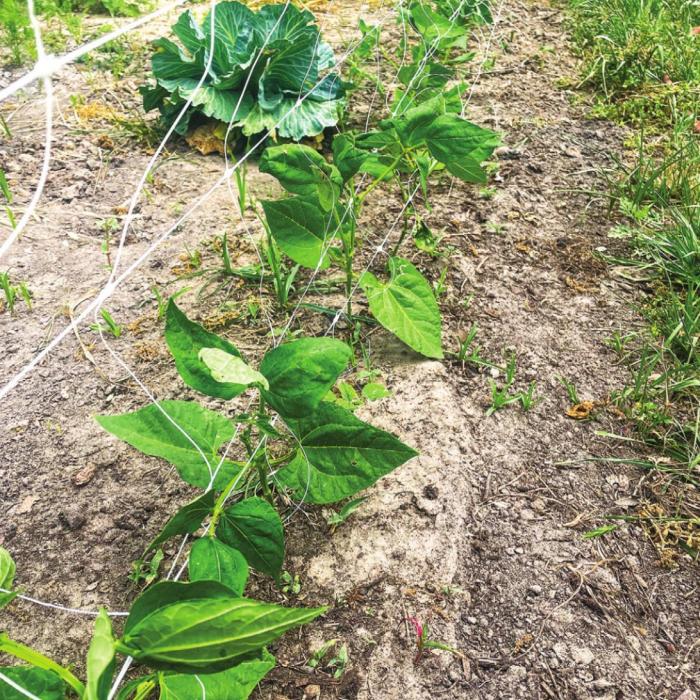
Varieties are often classified as either “bush beans” or “pole beans.” As the name implies, bush beans grow into a bush and do not require a trellis for support. Pole beans grow in long vines and require a pole or a trellis. I grow pole beans almost exclusively. I love the look of beans growing on a trellis. I also like the fact that I don’t have to bend over much to pick them.
Field pea varieties such as blackeyed peas, “zipper beans” and purple hull peas are usually bush varieties. The varieties of yard-long beans from Asia are actually more closely related to field peas than green beans. Curiously, though, they are almost always pole-type beans that require a trellis.
If you haven’t planted a spring garden yet, it’s not too late to plant beans. They will sprout and grow from now until the first frost, as long as you keep them watered. If you don’t plant anything else this spring, plant beans. They will improve your soil.