

Drought and Prickly Pears
By DAVID E. WILL
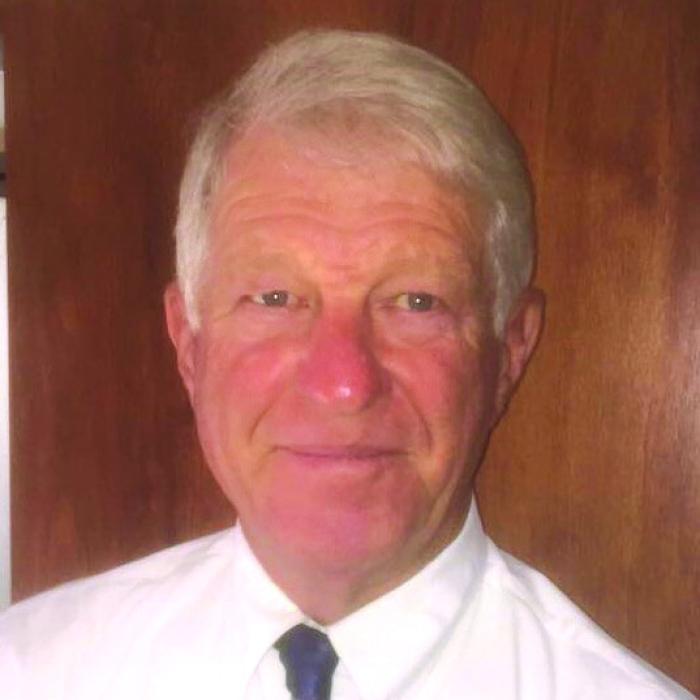
Special to The Record
The first time I saw a pear burner was when I was a young lad during the drought of the 1950s. The burner consisted of a pump-up kerosene tank and a long hose. On the tip of the hose was a fan nozzle surrounded by a shroud of metal with holes. From the tip of the hose, a ball of fire exploded toward a patch of prickly pears. The man operating this contraption was in his fifties, with a wrinkled, sunburned face. My uncle Walter told me he was a well-known rancher with a lifetime of experience. He wore blue jeans, cowboy boots, a worn leather belt and gloves, and a western-style, long-sleeved shirt. His straw hat looked older than he was. His task this day was to feed his cattle. Drought had killed most of the grass on his ranch. His choices were to sell cattle, feed hay, or burn the needles off the prickly pear so the cattle could eat it. With little money to buy hay – or pay his ranch taxes – he knew that if he could keep his animals until the drought was over, he would reap the benefit of higher cattle prices. Prickly pears, at least those in the area around Gonzales, have two types of needles, big and small. Big needles are easy to see and can be broken off with a machete or machine. If you burn prickly pear, the needles are flattened with fire. It is the glochids, or small needles, that are troublesome. They are small and easily burned but missing even a few can swell a cow’s tongue. Prickly pear is extremely nourishing. Each pad contains a high amount of minerals, nutrients, and water. Since most ponds had dried up, ranchers with windmills pumped water daily. Cattle often had to travel more than a half mile to get a drink. Prickly pear cactus had enough water in each pad to satisfy the animals until they could return to the windmill trough.
That day, Uncle Walter had stopped to talk with the pearburning rancher. He was concerned about his friend. The rancher had little time to visit as he needed to burn pear. Burning early in the morning, before the heat of the day, made it possible. Temperatures that morning were already in the mid-nineties and climbing.
Uncle Walter told me that most ranchers had already sold a majority of their cattle. Cattle prices had dropped to rock bottom. Many ranchers took to shooting their animals rather than have them suffer. Most could not find hay to feed, much less pay for it with ranch earnings. He also told me that, after cattle prices crashed, the cattle supply would be low. When the rains returned, cattlemen would buy cattle to replenish their herds, and prices would rebound above the average market price. Holding on to as many head as possible would help pay the taxes on the land.
Many cattlemen took out a bank loan to buy a new herd, but a few who only had access to cash would be strapped to buy a quality animal at a reasonable price. A quality animal, in Uncle Walt’s definition, was one that still had some flesh on its bones and a calf by its side.
Pear burning not only involved burning the needles off the prickly pear, but also ran the rattlesnakes and copperhead’s away from the pear pile. Rats and mice could hardly find a hiding place that wasn’t under a dried cow patty or in a hole under a mesquite tree, so they sought refuge under the pear. If not run off, the snakes could bite the cattle as they fed. The rancher ran off a snake from under a pile of pears and took the time to fry the critter before it slithered away.
When the cattle were turned into the pasture later in the day, they headed for the now “thornless” pears. Apparently not all of the needles were expertly removed from other pads eaten earlier, as many of the cows had sore mouths. Nonetheless, they ate pear as if it was the best meal of the day.
Many years later, I learned of a dairy in Mexico where milk cows were fed a ration of sweet grain, hay and prickly pear cactus. At first, they gave the animals a ration of 25% prickly pear. Then the ratio of pear to sweet feed jumped. With each jump of 5%, the milk production also grew. After the mixture passed 60% prickly pear, milk production stabilized.
Now I’m not recommending pear burning in Fayette County in the summer of 2022. Fire danger is high, and there is a burn ban on. The pear-burning I saw in the 1950s took place in a pasture where the cattle had eaten the grass to bare earth, so it didn’t present a fire danger. It is still possible to cut pear, remove the thorns without burning and feed cattle. I was told the Native Americans used rocks to scrape off the large needles and fire to burn off the small needles. It just takes the will to do it.
These days it seems that cattlemen no longer feed prickly pear to animals unless they are desperate. Thornless pears - nopales, which translates as “no thorns” are available, but some cattle and many wildlife will eat them long before the drought becomes extreme. Nopales still have some glochids, but a pear burner makes quick work of them. Birds love the seeds of prickly pear tunas and spread them across pastures and fence lines.
Speaking of fence lines, I also saw prickly pear being used as a perimeter fence back in the 50s. Because most ranchers could only afford a three-wire barbwire fence, a prickly pear fence line helped cattlemen keep the herd in and the rustlers out. I see no reason not to have some prickly pear on ranch land, if not for disasters, then for the wildlife value. Good ranchers offer a diverse group of plants to give cattle and wildlife more from which to select.
David E. Will is a Schulenburg farmer, rancher, nurseryman, landscaper, and consultant. He can be reached at 830-629-9876 or by email at dwill207@ satx.rr.com.