


Turn Your Compost into Compost Tea

Thank you to everyone who sent me kind comments about me last two columns. However, I’m sure there are some of you who got tired of my rants. This one won’t be political, I promise. (Unless you think taking independent action to sustain yourself and this planet, and perhaps profit from it, is somehow political.)
I wrote about making compost in my Nov. 6 column. Here’s another way of using compost.
A few years ago, I got into making compost tea out of the compost I created from our household scraps, landscape clippings and whatever else I threw in the pile. To make compost tea, you just soak some compost in water for a couple of weeks. At that time, the literature I read about it recommended an aerobic process to making the tea. I filled some old molasses tubs with water, dumped in a couple shovelfulls of compost, and used some fishing bait bubblers to keep it aerated. The end result is concentrated compost tea.
Later, I would dilute this concentrate, about four ounces to a gallon of water, and foliar feed my plants with it about every week or two. I recall some great results.
For whatever reason, I haven’t made compost tea in a few years, but I’m getting back into. My recent research indicates aeration is not necessary. I skipped the bait bubbler this time around. I’m just letting the compost soak. I haven’t used any yet, but I’m really excited.
I’m no scientist, but I do have a few thoughts on compost. You can read plenty of scientific journal articles about the benefits of compost in the garden, lawn or field - nutrients, microbial activity, its ability to loosen the soil, etc. it seems to me that some of this might be due to its structural properties - the size and shape of various particles in the compost, and some of it might be due to bio-chemical properties like the nutrients and microbes in the compost.
It seems to me that compost tea concentrates the biochemical properties of compost at the expense of the structural properties. None of those little twigs, pieces of leaves or particles of grass clippings ever get into the soil, since you use it as a foliar fertilizer. But the benefits can still be enormous, as I hope to explain.
Many of you may raise cattle and grow hay. You probably fertilize your fields from time to time. I don’t have a spray rig, so I can’t try this out. But I hope some of you can and let the rest of us know how it works:
First, filter the compost tea concentrate through some cheesecloth, pantyhose or some other fine mesh to prevent particles from clogging your sprayer. Fill your rig with water and mix in the appropriate amount of compost tea. You want to aim for about two to four ounces of concentrate per gallon of water. Then apply with your spray rig at a rate of one gallon of mix per 1,000 sq. ft. or 35 gallons per acre.
You can make this fertilizer even better by adding an ounce of liquid molasses, an ounce of apple cider vinegar and an ounce of liquid seaweed per gallon. If the budget allows, add an ounce or two of fish emulsion per gallon.
If you haven’t tried AlgEternal’s Elix Earth algae-based soil amendment, now would be a good time to apply to your hay fields and pastures. This is a great locally-made product. It can be added to the mix according to package directions.
You don’t have to do all of these things. Just use the products you can afford. But the base - compost tea - is practically free.
Early spring is probably the best time to apply, so you need to get started making your compost pile now.
In the Garden
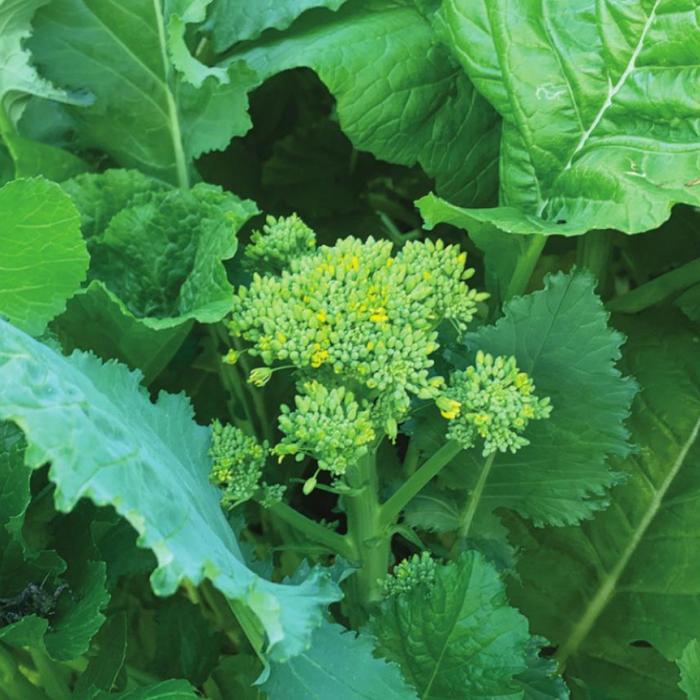
A few weeks ago I wrote about planting broccoli rabe, also known as rappini. I’ve got the stuff coming out of my ears now. I love the taste, but my wife finds it a little bitter. I still recommend giving this plant a try. It’s super-easy to grow from seed. Just cover them with quarter inch of soil, water and watch them grow.
You can eat the little florets, stems and leaves. I love sauteeing them in olive oil or bacon grease with a little onion, garlic and a few cherry tomatoes. I bought seeds from Seeds from Italy (growitalian.com).
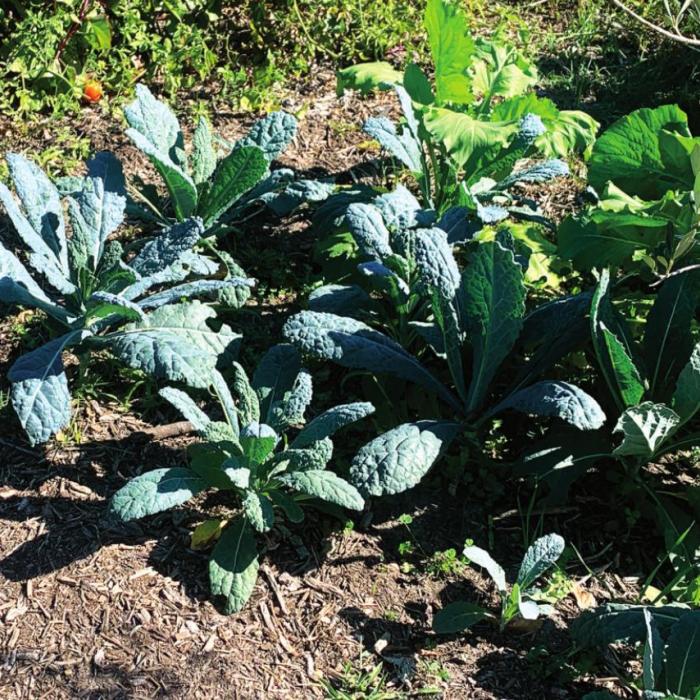
I’m also growing some dinosaur kale this fall. Also known by its Italian name, Laciano kale, this variety is the best-tasting kale, in my opinion. I love the way it looks, too — long, spear shaped leaves. The folliage is almost blue in color. Those of you who like making and eating kale chips: this is the variety for you. Many seed suppliers sell this variety. I purchased mine from Southern Exposure Seed Exchange (southernexposure.com).
Speaking of tomatoes, I managed to keep several bushes alive over the extreme heat this summer. I’m now getting a wonderful fall crop of tomatoes. Super 100 cherry, Early Girl and San Marzano are the best producing varieties for me this fall.
I also planted some radishes from India called Pusa Gulabi.’ This is my new favorite radish. They’re purple inside and out, slightly pungent and long and stout, about the size of a parsnip. I bought the seeds from Baker Creek (n2reseeds.com). I highly recommend this variety.
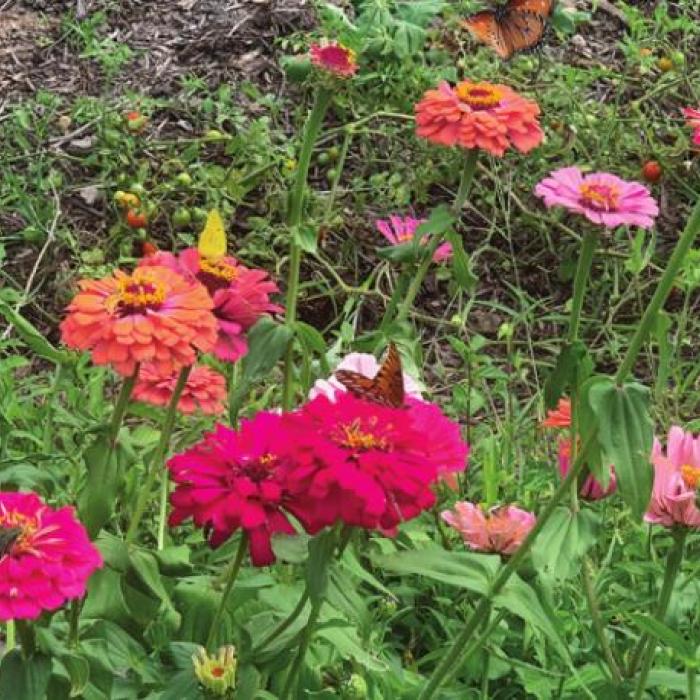
The bit of frost we received this week nipped my zinnia flowers. This is the first year I’ve grown them and have been most impressed with the blooms. Keep these flowers in mind when you get ready to plant next spring
If you have any questions about gardening, send an email to andy@fayettecountyrecord.com.