


Local COVID Figures Not Always What They Seem
Anyone looking at just the “confirmed” active COVID case totals provided by Fayette County officials is not getting the full scope of test-confirmed cases in Fayette County.
Craig Moreau, Fayette County Emergency Management Chief, acknowledged for the first time this week that the cases of COVID-19 his office counts as “probable” includes people who tested positive with a virus antibody test, also known as a rapid test
Previously, he said “probable” cases included people who had not taken a test but likely had the virus due to symptoms and other circumstances such as living in the same household as another person who tested positive. Fayette County began announcing “probable” cases on July 20. At that time, Moreau gave the following explanation of the new category: “A probable case is someone who did not receive a lab confirmed result, but had significant contact with an infected individual and is experiencing similar or identical signs and symptoms. This is most commonly found in household contacts.”
In an interview on Tuesday, Moreau said the County now only counts “confirmed” cases when a person tests positive via a polymerase chain reaction (PCR) test
“(PCR tests) look at the RNA and DNA of the coronavirus, which is a much more accurate way of looking at it,” Moreau said.
According to the US Food and Drug Administration (FDA), which regulates COVID testing in the United States, “Antibodies can take several days or weeks to develop after you have an infection and may stay in your blood for several weeks or more after recovery. Because of this, antibody tests should not be used to diagnose an active coronavirus infection.”
Accordingly, Moreau said he recommends the PCR test However, many people choose to take the antibody test due to quicker results, which often come back in minutes instead of days for the PCR test
While antibody tests are less reliable at diagnosing an active infection, they can identify past infections.
Within Fayette County, residents can take a PCR test at La Grange Family Health, Schulenburg Apothecary or Tejas Health Care in La Grange. Moreau said antibody tests are offered at several urgent care facilities outside the County.
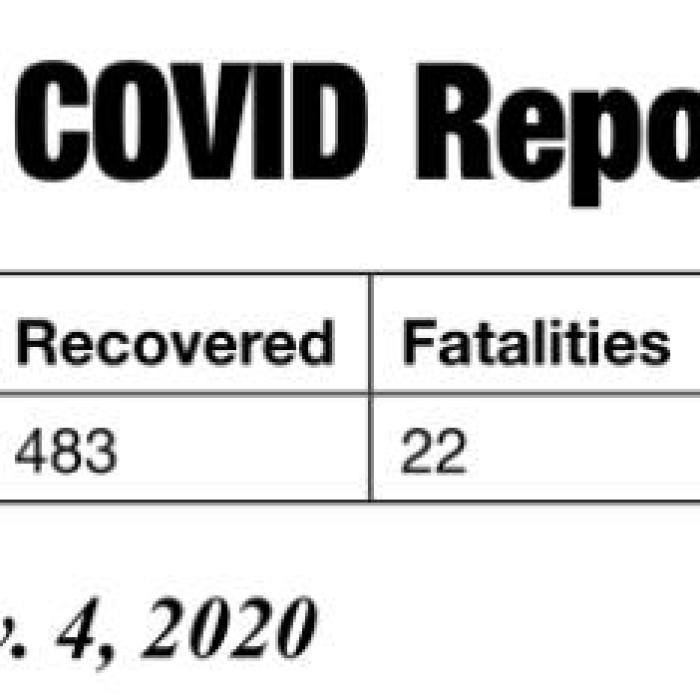
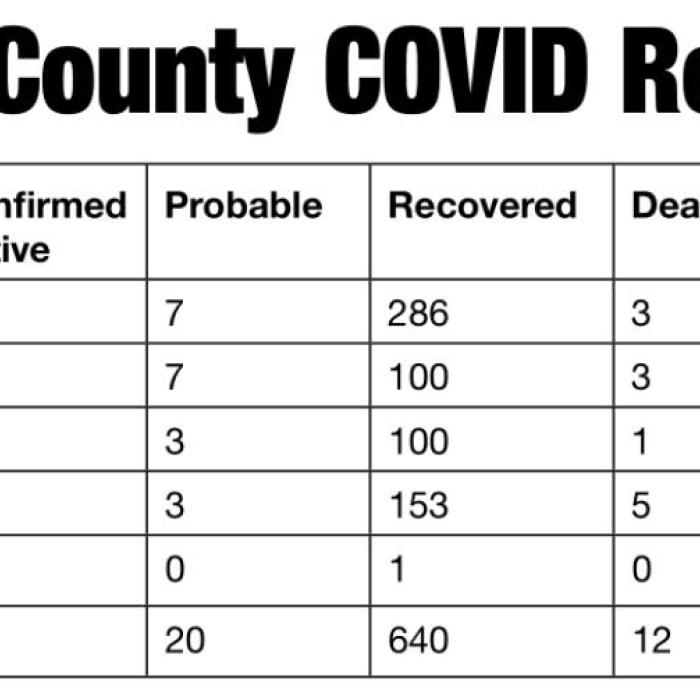
As of Tuesday, Oct 3, the County reported 15 “confirmed” active cases and another 20 “probable.” The Texas Department of State Health Services (DSHS) does not differentiate between “confirmed” and “probable” active cases. DSHS reported a total of 23 active cases in Fayette County on Tuesday — a dozen less than the number of “confirmed” and “probable” that Fayette County is reporting.
That’s not the only difference between reporting by DSHS and Fayette County officials. The County reports 702 total cases since it began tracking the virus; DSHS reports that number at 528. Fayette County says there have been 640 recoveries; DSHS reports 483 recoveries. Most importantly, Fayette County reports 12 fatalities due to the virus while the state reports 22.
As previously reported in the Record, Moreau has said the discrepancy in the fatality numbers may be due to people who were from Fayette County but died in nursing homes or other facilities outside the County.