


He Wanted to ‘Go Somewhere’ & He Did
The Life and Military Service of Gene Wessels
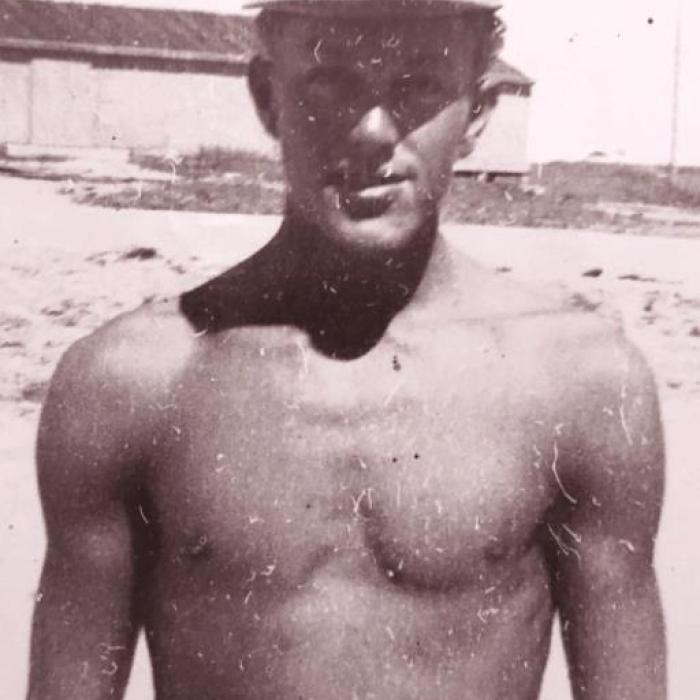
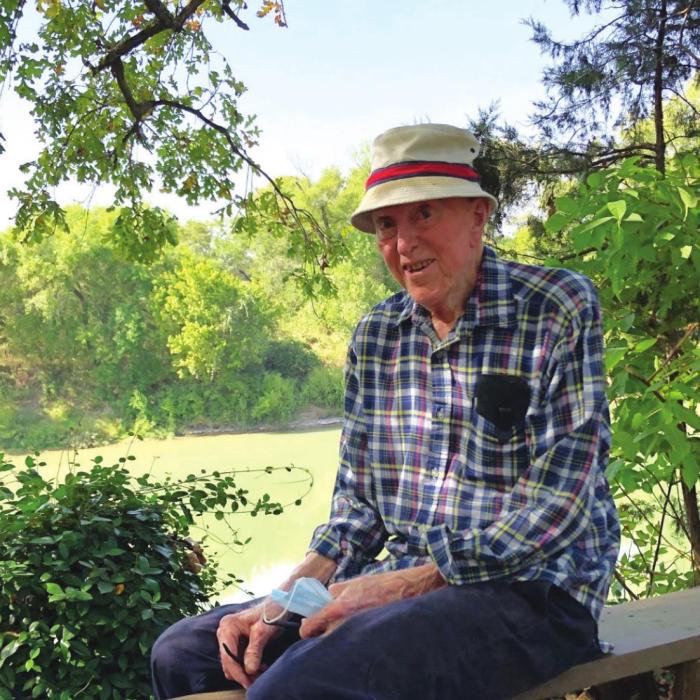


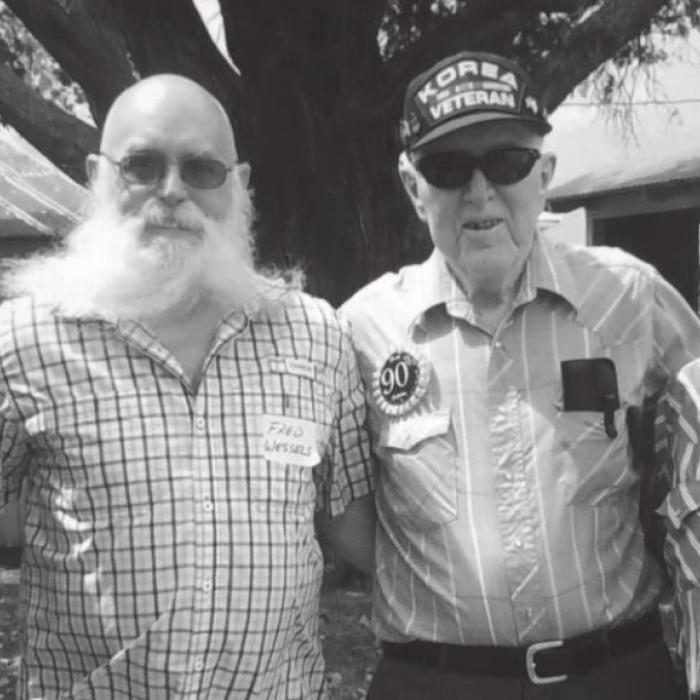
The parents of the lanky La Grange High School senior gave their written permission for their underage son to join the U.S. Air Force in 1946. Even so, Eugene J. “Gene” Wessels had to wait two years until he turned 20 to do so. He joined in peacetime because World War II had ended in 1945.
“I wanted to go somewhere,” Gene recalls. “When you’re young, you have no fear. I knew I might be sent to dangerous places, but I never really thought about it, although my parents likely did.”
Gene’s desire would take him to far-flung U.S. military operations in the Far East and give him an up close and personal experience with the Korean War. Four years after his induction into the U.S. Air Force, it would influence his decision to serve with the U.S. Navy Seabee reserves for an additional 22 years.
Fayette County born & bred
Gene was born and raised in West Point, Texas, where his father, John L. Wessels, ran a country garage and served as the community’s blacksmith. Gene’s mother was Mione Frels Wessels. Gene had two older sisters, Laura and Ruth, and the family lived in town. For his elementary education, Gene attended West Point’s one-room brick school that’s now a hay barn. He then went to Smithville for junior high and La Grange for senior school.
Finally, it was time to report. A news item in the Sept 9, 1948, issue of The La Grange Journal reported Gene had left for Austin where he was to be inducted and enrolled in the Coast Guard Artillery. The story said he would soon be stationed at Fort Ord, California.
But that’s not how things played out. When there was an opening in the U.S. Air Force, Gene decided to take it.
“I never was that good of a marksman,” he says.
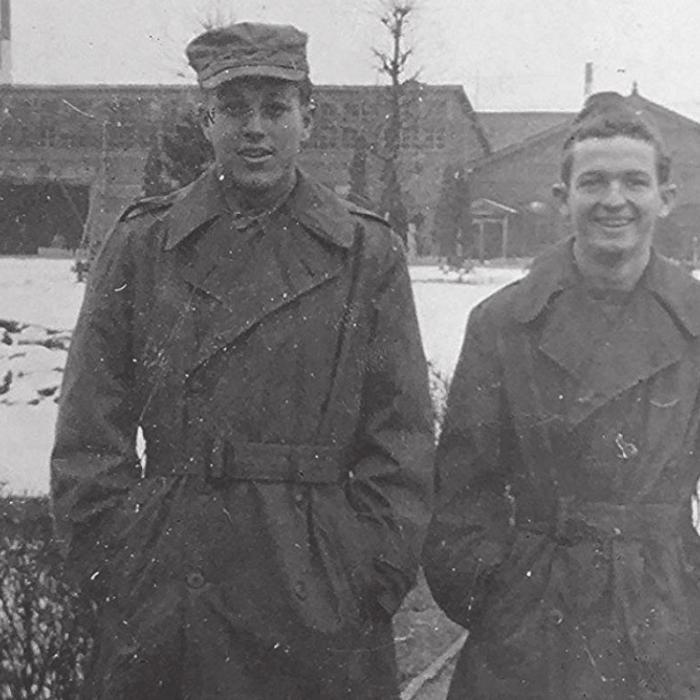
Gene’s 10-day leave ended on Dec. 20, 1948. He spent his first Christmas away from home in deep snow near Cheyenne, Wyoming, at Fort Francis E. Warren Air Force Base.
There, Gene discovered the typing class he had taken at La Grange High School would play a role in his military service. During his training as a teletype operator, Gene became acquainted with another young serviceman named Jim York. Destined to become lifetime friends, Jim served as best man at Gene’s wedding. He was the nephew of Sgt. Alvin Cullum York, one of the most decorated United States Army soldiers of World War I.
Okinawa or bust
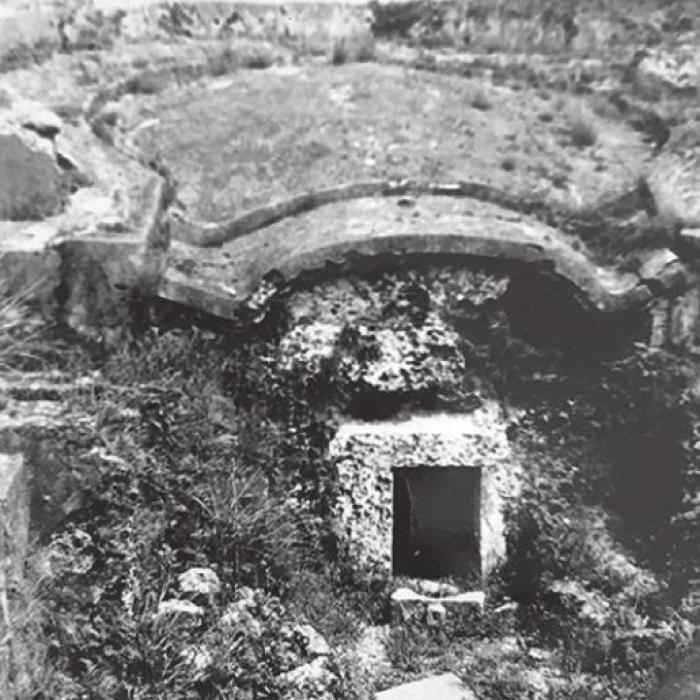
On July 23, 1949, shortly after Gene arrived on Okinawa, one of the most destructive typhoons recorded to date battered the island relentlessly for eight hours. Gene’s unit took shelter for three days in the stoutest structure on the island that was built into the side of a hill. The eerie native burial crypt was filled with urns of human bones.
Typhoon Gloria’s toll on Okinawa included 38 dead, 252 injured and 42,502 buildings with 75% of all U.S. Air Force installations destroyed or partially demolished.
Be careful what you wish for
On Sunday June 25, 1950, the Korean War started after North Korea invaded South Korea. That military action sidelined Gene’s imminent prospects of returning to the U.S.
Gene and three pals volunteered for an assignment at a South Korean location northwest of the city of Seoul, 15 miles from the demilitarized zone (DMZ).
They arrived on Oct 10, 1950, to blowing snow and ground that was frozen solid. He recalls attempting to dig a foxhole and having to settle for “the best we could do under the circumstances.”
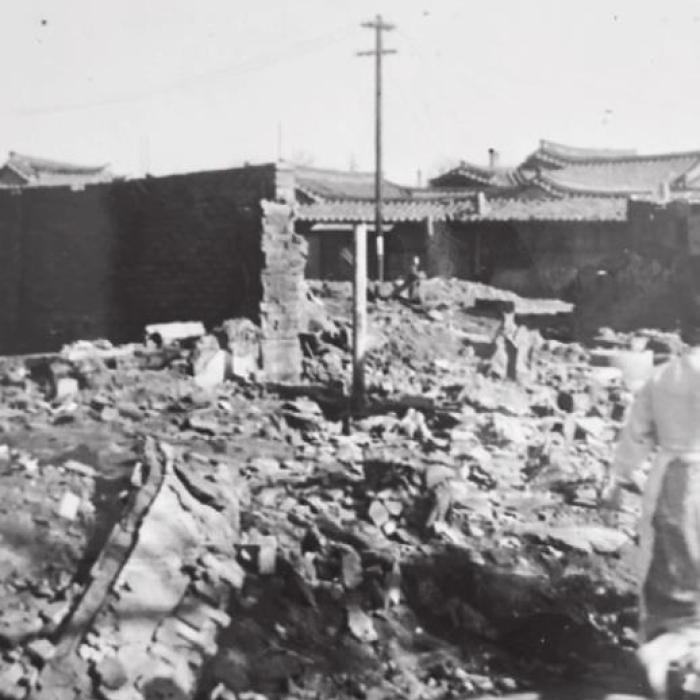
Under pictures of Kimpo Air Force Base, Korea, in his photo album Gene wrote, “What was I thinking?”
Even behind the lines, wartime conditions were harsh and dangerous. During a two and a half month period, Gene lost about 25 pounds. He remembers his disgust on Christmas Day at seeing the same old grub on his tray: bully beef.
When Gene started to throw it in the trash, a hungry older Korean civilian held out his dirty handkerchief in hopes of receiving the food. The incident, which has stuck with Gene to this day, has made him a more grateful person.
Gene was awarded the Meritorious Service Medal for his service in the Korean War, a decoration presented by the U.S. Armed Forces to recognize superior and exceptional noncombat service. His rank at the time was Airman First Class.
Evacuated just in time
After the North Koreans and Chinese communists made a big push, Gene was among the American service personnel evacuated to Nagoya, Japan, on Jan. 3, 1951. He still smiles at the memory of seeing the mess hall cooks serve mashed potatoes in the shape of Mount Fuji.
“We hadn’t seen any fresh vegetables for two and a half months, so those potatoes sure looked good,” he recalls. “We also were tired of powdered milk.”
After three days, the Americans flew to Johnson Air Force Base, a former Japanese air force facility 30 miles from Tokyo. Gene characterizes the six months he spent there as interesting and pleasant.
Wedding Bells
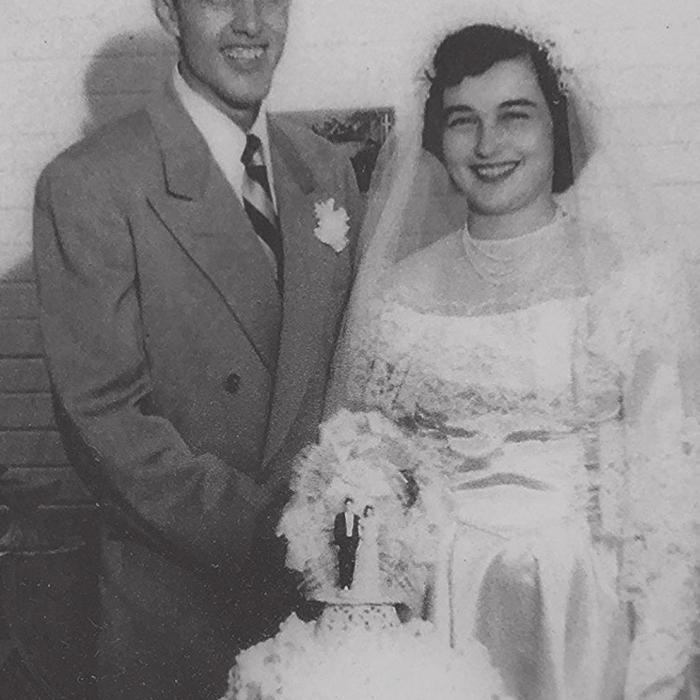
Ruth Miller from West Point regularly wrote to him while he was in the Far East. Through their correspondence, Gene found himself falling in love with the young woman who was five years younger than he was. When Gene’s returned to the U.S. from Japan, he was stationed at Carswell Air Force Base, Fort Worth. He and Ruth were married in Seguin at Elm Creek Baptist Church on June 27, 1952. Gene’s Air Force buddy, Jim York, was his best man.
Not long after his discharge on Aug. 8, 1952, Gene and Ruth moved to Austin where he joined the Texas State Highway Department. The job must have suited him well because he stayed with it for 31 years, retiring from his surveying job in 1985.
Gene and Ruth have four children, Gary, Fred, Tina and Sylvia; four grandchildren; and 11 great-grandchildren.
Return to South Korea
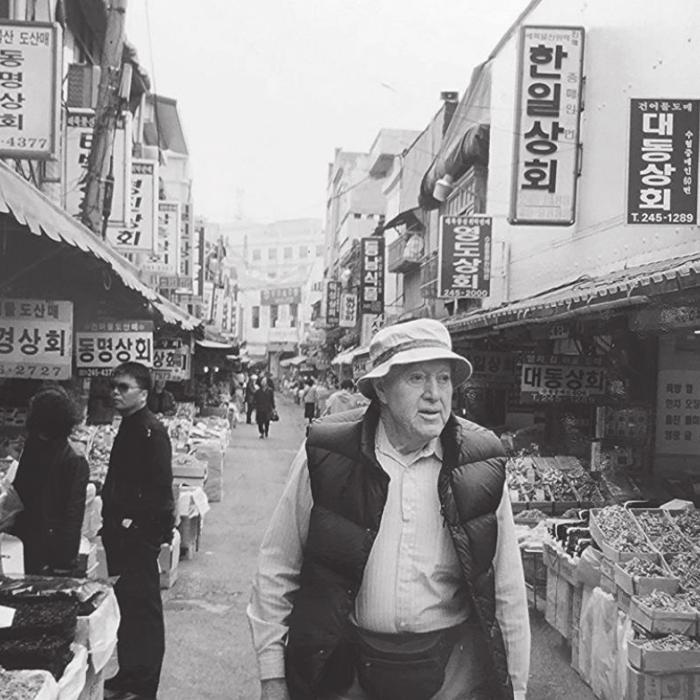
Gene was 22 when the U.S. Air Force evacuated him and other troops from Korea. He returned as a tourist at the age of 76 in March 2005 with his daughter, Tina, and his granddaughter, Coti. They visited Seoul, as well as Beijing and Pusan, China.
“I couldn’t get over how a metropolitan city had grown out of the ruins of the city of Seoul,” he says.
Honor Flight
On May 1-2, 2015, Gene flew from Austin on the first Korean War Veterans Honor Flight to Washington, D.C. The passenger list of veterans on #23 included 58 who had served in the Korean War, one from World War II and one from Vietnam.
“I was truly honored and humbled by this experience,” Gene says. “I was amazed at the cheering of the people at the airports, the flight itself, the banquet at the Hilton Hotel and the president and vice president’s escort motorcycles and police cars that escorted our three buses. Everyone made us feel proud and special.”
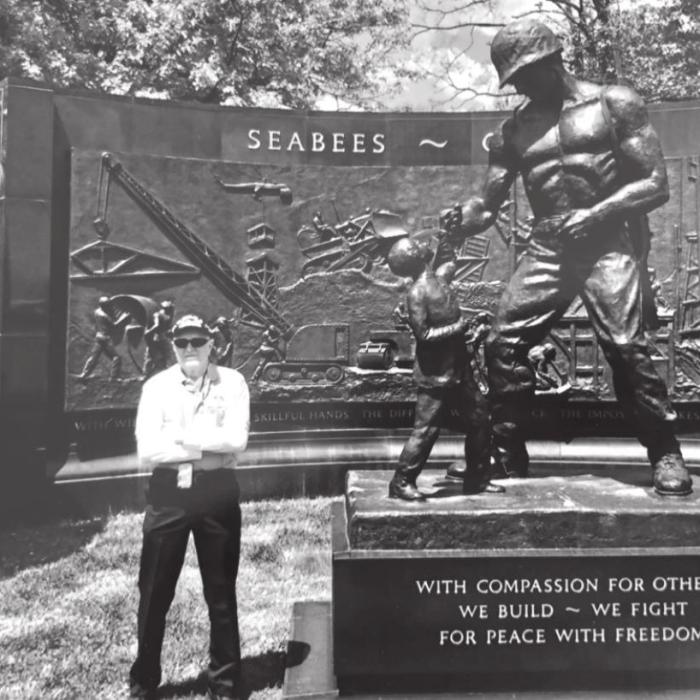
As the group traveled between the different war monuments and memorials in the nation’s capital, the tour guide asked if there were any Seabees on his bus. When Gene raised his hand, the bus made a U-turn in order to make a special stop at the Seabees monument.
“It was a trip never to be forgotten,” Gene says.
Gene says the troops with whom he served were as close as brothers. To stay in touch after they left the U.S. Air Force, the veterans created an official Okinawa Chain Letter. Each man participating in the chain added a letter to those he received. Then he mailed the collection to the next man on the list. By the time the circle was complete, the chain letter package contained 17 or more pieces of correspondence. At that point, a new chain letter started.
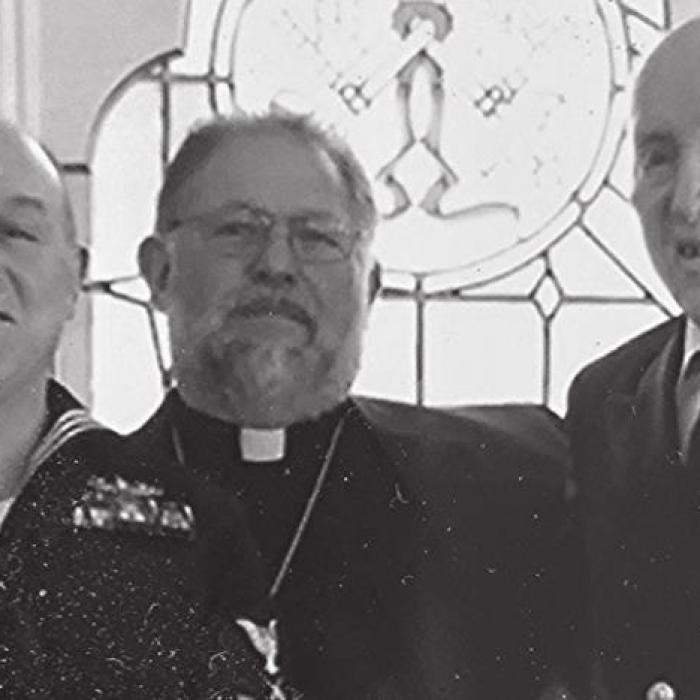
“We also had reunions, which were a lot of fun,” Gene recalls. He and Ruth hosted “the Okies,” as they were called, in La Grange in 2003. The Wessels were proud to invite their Navy veteran friends out to enjoy time at their lovely spot on the Colorado River.
A Life of Service
“I have never regretted serving in the U.S. Air Force for four years on active duty or 22 years in the Seabees reserves;’ Gene says. “I think my parents would be proud.”
If you’d like to read more of Elaine’s stories, visit www elainethomaswritercom/blog/ and sign up to receive new posts twice a month.
You can also call Elaine at 979-263-5031.