


Gardening: Can You Handle the Heat of the “Cow Pepper?”

The Fayette County Record
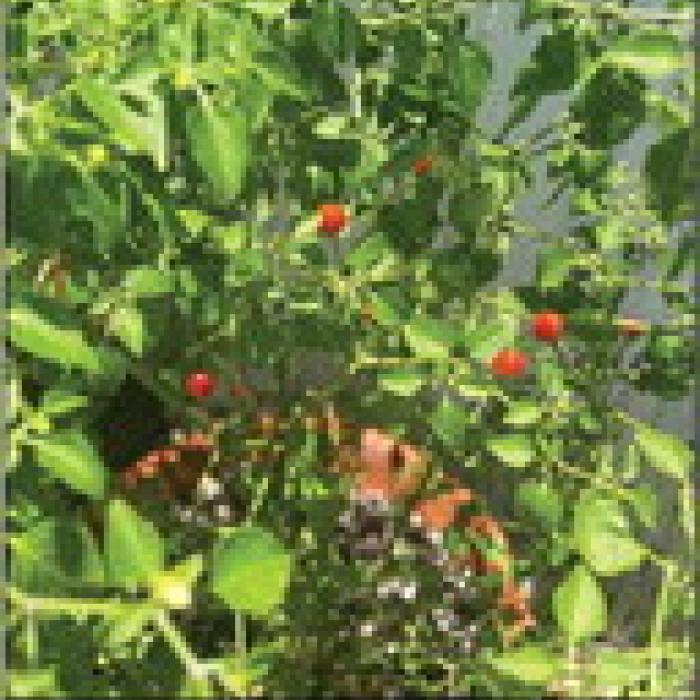
If you look closely along fence lines, next to water troughs or in brushy areas that don’t get mowed, you might find a little bush growing red berries. They aren’t berries, though. Just bite into one and you’ll find out.
I’m talking about chiltepins, also known as chili pequin, cow peppers, bird peppers, chili mosquito, chili bravo and a host of other names. The scientific name isCapsicum annuum var. galbriusculum.These native pepper plants love our climate. They’ll grow just about anywhere that gets plenty of sunlight and doesn’t see a lawnmower.
These little peppers are hot. They measure up to 100,000 units on the Scoville scale – nearly as hot as a habaneros. That’s about 7 or 8 times hotter than jalapenos. Sometimes called the “mother of all peppers,” chiltepins are believed to be the ancestor to most of ourmodern pepper varieties.Back in the spring, my dad and I helped some of our kinfolks install a new water line for a water trough at my greatgrandparent’s farm in Henkhaus – about halfway between Shiner and Moulton. My great-grandpa, Frank Wagner, died when I was a kid. My great-grandma, Ludmila Wagner, lived to be 101 and died in 2008. Some of my family still owns the propertyand leases it out for cattle.I’ve always considered theplace my ancestral homeland. I spent almost every Easter, Thanksgiving and Christmas Eve there with our extended family while Grandma Wagner was still alive. She grew a big garden out there. My cousins and I ran, swam and crawled through just about every inch of that farm. I’m pretty sure the first time I ever experienced a chiltepin was out there. They grew wild everywhere on the property.
Anyway, one of my uncles called my dad back in the spring and asked for some help fixing a water leak at the farm. We ended up digging a ditch and installing a new water line for a cattle trough. While there, I noticed some chiltepin bushes that were starting to bud out.
Chiltepins are pretty hardy compared to most chili plants. They’ll survive most of our winters. Frost will turn the tops brown and cause the leaves to drop. But most of the time, theroots and crown will survive and send up new green shoots in the spring.
I dug up a few of these plants from the farm in Henkhaus and brought them back to our place in Cozy Corner, where I planted them in pots. They’ve been producing fruits and the first ones are beginning to ripen right now.
If you don’t have any growing on your property, you can probably find some growing along the ditches of our county roads.
They have many uses. Many people soak them in vinegar to make a spicy-tart condiment. This spicy vinegar goes great on fried chicken. I like to add a few drops onto collard greens or pinto beans.
You can also dry and crush them to make our own chili pepper flakes. I think dried chiltepins possess a more earthy flavor than most other dried hotpeppers. They can be mixed into your favorite salsa recipe for heat. I think they pair especially well with fruit-based salsas and relishes, like mango or pineapple salsa. They also pair well with eggs. Crush one or two and add them to scrambled eggs or an omelet.
When the Spanish first encountered this pepper during their conquest of Mexico, they used the word “arrebatado” to describe it. The word roughly translates as “rapid” or “violent,” and it refers to the pepper’s bold, intense heat that faded rather quickly in the mouth.
Perhaps the greatest way to enjoy the flavor and all the benefits of this pepper is in tea. Trust me. Crush one chiltepin pepper (or two if you’re daring) with the blade of a knife and add it to a cup of hot green tea. Balance the spiciness with a drop or two of honey and a thin slice of lemon. If you’re feeling fancy, add a mint leaf. Sip and enjoy. You will experience the wonderful flavor of chili pepper like you have never tasted it before. Consuming the pepper in this way infuses your body with the wonderful health benefits of the chilpetin as well.
The active ingredient in chili peppers, capsaicin, can aid in digestion, reduce inflammation, and perhaps most famously, ease nasal congestion. Some indigenous tribes of North America chewed the hot peppers to relieve headaches. Capsaicin, when eaten, causes the brain to release endorphins, which are natural painkillers.
If your mouth can’t handle the heat, you can always wash it down with some whole-fat cow’s milk. The fat in milk neutralizes the burning sensation for most people.
To those unfamiliar with this plant: there is an invasive species, Jerusalem cherry, that looks somewhat like chiltepin. It’s scientific name,Solanum pseudocapsicum,alludes to it’spepper-like appearance. As the genus name suggests, the Jerusalem cherry is in the nightshade family. The leaves are larger and more pointed, from what I can tell. The fruits are a little biggerthan chiltepins, and they ripen to an orange color instead or red. This plant is considered poisonous. I found a few of these growing at our place in Cozy Corner last year, so beware.