


Fireworks Expert With Local Ties Urges Safety on the Fourth of July
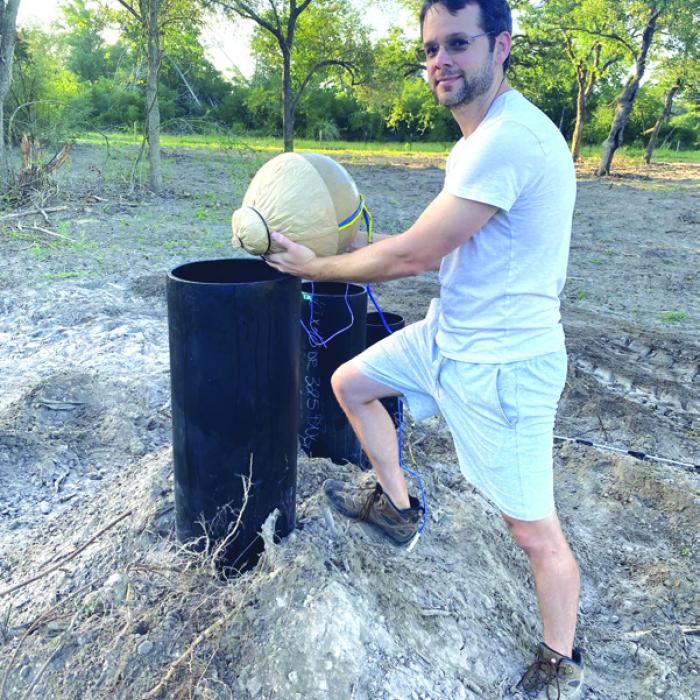
Neurosurgeon Rob Hruska has a unique perspective on the Fourth of July – he’s a certified pyrotechnician who sets up fireworks presentations during the holiday.
“It’s a fun hobby,” Hruska said, adding that he assisted a friend in Sky Wars, which is one of the biggest in the nation. “Most of the people who come to my shows have never seen a true pyromusical, so it feels great to give them that experience.”
Hruska, M.D., is a member of Texas Health Physicians Group on the medical staff of Texas Health Harris Methodist Hospital Hurst-Euless-Bedford. He enjoys participating in competitive fireworks events. Pyromusicals, fireworks presentations choreographed to music, showcase his skills.
“I like bringing people together,” he said. “These events bring my family together and many others to a common place to be entertained.”
This year, Hruska is working on a Fourth of July event in La Grange. Staying safe is key to a successful holiday, he said.
Taking precautions on Independence Day can help prevent a visit to the emergency room for injuries or burns from firecrackers or sparklers.
Hruska said serious injuries can result from improper firing of canister shells out of the tubes. Mishandling a canister shell that failed to ignite also can result in injuries, he said.
“Eye protection is often overlooked but important to prevent eye injuries,” Hruska said. “When holding sparklers, have a water bucket nearby to drop them into before they burn down close to fingers. Don’t hold sparklers above your head.”
The U.S. Consumer Product Safety Commission (CPSC) urges people to either leave fireworks to the professionals or practice safety when using consumer- grade fireworks. In 2022, there were 1,300 injuries from firecrackers and 600 injuries from sparklers, according to the CPSC. There were 10,200 people treated at emergency departments nationwide.
“Fireworks are fun to use, but they can cause serious injuries without appropriate precautions,” said Nisarg Shah, M.D., an emergency physician and medical director of the Emergency Department at Texas Health Hurst-Euless-Bedford.
Shah said hand injuries are the most common condition he sees during the Fourth of July holiday. Patients also seek treatment for eye injuries.
“We want everyone to have a safe Fourth of July,” said Jared Shelton, FACHE, hospital president. “If accidents happen, we stand ready to provide quality clinical and emergency care when you need us most.”
Celebrate safely
Use fireworks outdoors in open spaces. Keep a bucket of water or a garden hose nearby in case of fire. Don’t use fireworks if you are impaired from drugs or alcohol. Make sure children keep a safe distance from the fireworks. In rural areas, take caution with fireworks around vegetation.
Protect your ears: Fireworks can reach 140 to 160 decibels, which is similar in sound level to standing next to a jet taking off. If a firecracker explodes near your ear, you could experience immediate hearing damage, according to the U.S. Centers for Disease Control and Prevention.
Prevent sunburns: Use sunscreen during outdoor activities.
Stay hydrated: Prevent dehydration and heat exhaustion by drinking plenty of water, especially while you are outdoors.
Historical fun fact
Commemorating Independence Day with fireworks is an American tradition that can be traced back to John Adams’ July 3, 1776, letter to his wife, Abigail. “It ought to be solemnized with Pomp and Parade, with Shews (shows), Games, Sports, Guns, Bells, Bonfires and Illuminations from one End of this Continent to the other from this Time forward forever more.”