


Chang: From China to Netherlands to Festival Hill
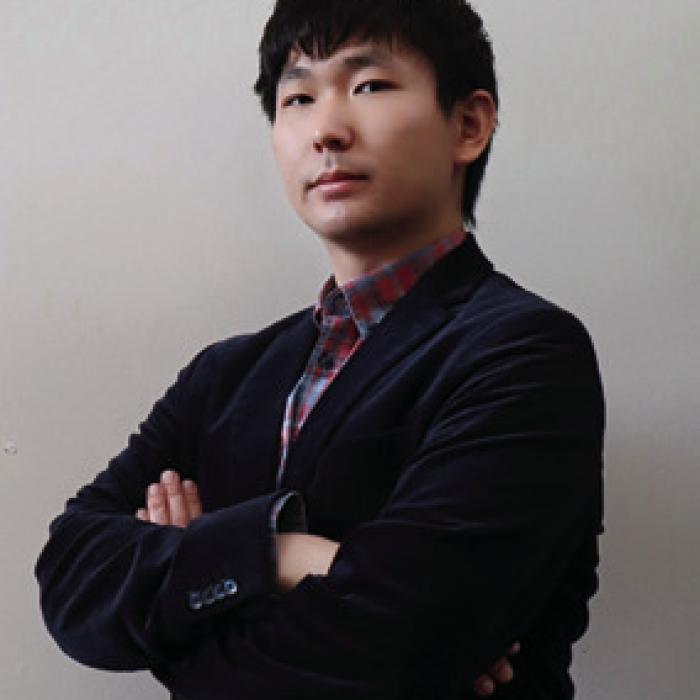
For Richard Chang, musicianship is in his bloodline. His parents, both opera singers, met while studying at a conservatory in China. Then, they immigrated to the Netherlands, where they raised Chang. From a young age, they encouraged him to become a musician as well, setting him up with piano lessons. He never expected to become a professional, but Chang found his passion for the art growing and growing until he knew that it’s what he was meant to do.
Chang has had the opportunity to participate in competitions all across Europe. He launched his career by winning the Young Pianist Foundation Competition, the most prestigious piano competition in the Netherlands, in 2010. In 2012, he received the 1st prize of Princess Christina Concours, a competition for young Dutch musicians. He also won the solo performing, collaborating and video teaching category of the Summer Art Concerto Competition.
The pianist earned his undergraduate education at the Royal Academy of Music in Amsterdam in 2018. Now, he is enrolled at the University of Utah, pursuing a doctorate in piano performance. Chang credits his success in the educational field to all of the competitions he was in previously.
“Competition was always on my way to prepare for something,” said Chang. “I remember once, I basically used a competition to encourage myself to practice so I could be ready for my coming exams.”
Currently, he is under the instruction of Ning Lu, a studio professor at the University of Utah. In addition to being enrolled in classes, Chang is an instructor for the university’s undergraduate keyboarding classes.
Though Chang has had his fair share of success in the music field, his career hasn’t come without its struggles. While in undergrad at the Royal Academy, he had a period in which he was unable to play his instrument. He had even considered taking a step back from solo performance and becoming an accompanist because it would be “less demanding.”
“All of a sudden, I just couldn’t learn pieces by heart so well. I felt like I was remembering the music note by note, but when I actually had to perform it, it’s like I was working in the cloud, I didn’t know where I was. That was a very tough period.”
Luckily though, Chang has slowly worked himself out of that difficult time and now knows what to do when he finds himself struggling again. Chang even has plans to begin composing piano pieces and perform them in future recitals. In the pieces he writes, he wants to incorporate both Chinese and Dutch culture through his perspective.
With his years of success and persistent through times of struggle, Chang surely has a bright future ahead of him.