


Big Piles of Non Election-Related Garbage

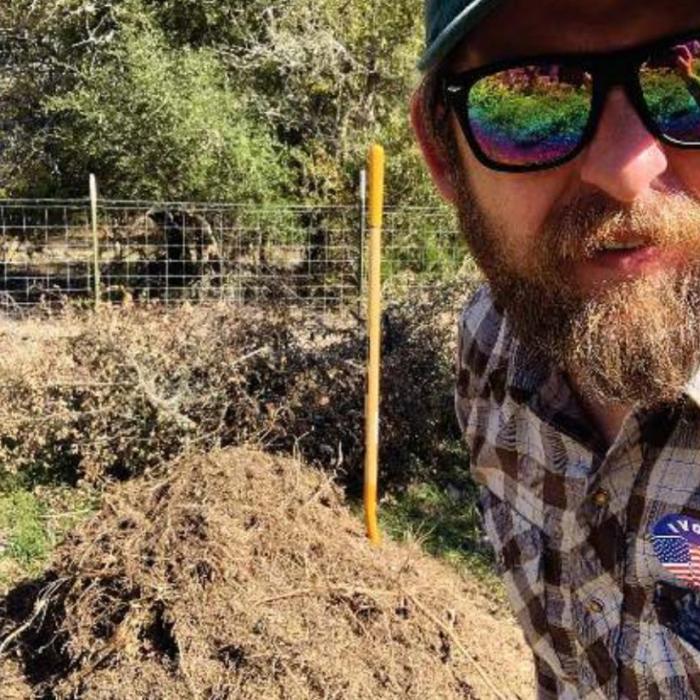
Tuesday was Election Day, which reminded me of an important gardening topic - how to create a big steaming pile of rotten garbage, I mean compost
If you grow a garden, you should make compost Gardeners call this material “black gold.” It’s nature’s living fertilizer. Compost is made of decomposed organic matter, which should be applied to the soil as part of your bed preparation before each growing season.
Anything that was once alive can be turned into compost vegetable and fruit scraps, coffee grounds and filters, paper plates and paper towels, leaves, grass clippings, plants that you pulled from the garden, egg shells, animal manure, the list goes on and on. You can even use meat and dairy waste, but those items can make your compost pile stinky and attract pests.
A compost pile needs oxygen. You want a mix of large particles and small particles to prevent matting in the compost pile. Compost also needs moisture. You should water your pile every time you water your garden.
Basically, you want to create an environment attractive to aerobic bacteria. Those bacteria will quickly turn your waste into beautiful black compost. An anaerobic pile will eventually turn into compost, but it may take many months to decompose. Properly composted waste does not stink when the process is complete. It should smell like a forest floor.
Here’s how you can get started making compost:
Pick a spot near your garden and your house. It doesn’t matter if the spot is shady or sunny. Some people like using a compost bin that better contains the material. You can make a bin out of old plywood or wood pallets. Those big campaign signs left over after the election would probably make good walls for a compost bin, but I like saving those for target practice.
I prefer piling compost material on bare ground.
If you raise chickens, you probably keep a layer of straw or wood chips on the floor of the coop. When this material gets dirty with droppings and needs to be replaced, don’t throw it away. Put it in your compost pile instead. You can also use horse and cattle manure in your compost pile as long as your pastures or hay hasn’t been treated with chemical herbicides.
Newspapers are another great addition to the compost pile, especially papers with recent election coverage. Mix those papers right where they belong - in between some bull and chicken manure. Don’t worry, those ugly election results won’t hurt your plants.
Most experts recommend a ratio of 30 parts carbon (brown materials) to one part nitrogen (green materials) in a compost pile. Keep that in mind if you use fresh grass clippings — a little goes a long way.
As you build the pile, evenly mix the green and brown materials. Make sure you water the pile as you build it to keep it evenly moist inside. You want a pile that’s about three feet tall by three feet wide and three feet long. Smaller piles take longer to decompose, and bigger piles are too bulky to turn.
After you build the pile, let it sit for a few days to a week. By now, the pile should have heated up to between 90 and 140 degrees F in the center. You can use a probe thermometer or your hand to check. Stick your hand a few inches into the pile and you should feel some heat If not, the ratio of carbon to nitrogen may be off, or your pile is too wet or too dry. If its too hot, splay it down with water and add more brown material.
Use a pitchfork to turn the pile. When I turn my compost pile, I like to deconstruct it and re-pile the materials in a nearby spot Turn the pile every week or so, and your should have some good compost in a few months.
You can speed up the process with some organic products available locally. Liquid molasses mixed two ounces to a gallon of water will give the bacteria in your pile a big boost Just pour on a gallon or two and let it get to work. Medina Soil Activator, which is available for purchase at La Grange Farm and Ranch, will also stimulate and increase the numbers of beneficial microbes in your soil. Mix with water according to the directions on the bottle.
Mycorrhizal fungus products like MicroLife’s Mycorrhizal Plus (available at Sutherlands in La Grange) will introduce beneficial fungus that helps break down woody material. This fungus will also greatly benefit plant roots once the compost goes into the garden. Mix a few cups of this granular material in the pile.
If you find a lot of ants in your pile, it may have gotten too cold and turned inactive. You need to add some nitrogen material like grass clippings. The ants don’t really hurt anything, though. They’re just annoying.
If you’re a man, pee on your compost pile. Urine contains a lot of nitrogen which will give a good boost to a pile that has gone cold. This technique might be a challenge for lady gardeners, though.
Composting is the easiest and cheapest way for households to reduce the amount of garbage they send to the landfill. Paper plates and paper towels never go into the garbage at our house. Just make sure you buy plain paper towels and uncoated paper plates if you plan to compost them. For kitchen scraps, I keep a large plastic bowl on the kitchen counter top. It usually fills up in a day or two at our house. Once you build a large compost pile and get it “cooking,” you can add scraps to it daily. I dig a hole in the top of the pile, dump the scraps in and cover it up with old material. You will be amazed at how fast scraps break down in a hot pile.
Some people worry about compost piles catching fire from getting too hot This can happen with really large piles. If you keep your pile to the size I recommend, three foot square, and keep it moist and regularly turned, it should never catch fire. Just to be safe, however, I recommend keeping the pile several feet away from buildings or wood fences.
So get out there and exercise some freedom. Grow a garden. Pee outside. Fire off a few rounds at some recycled campaign signs, and start making compost