

Just One Step
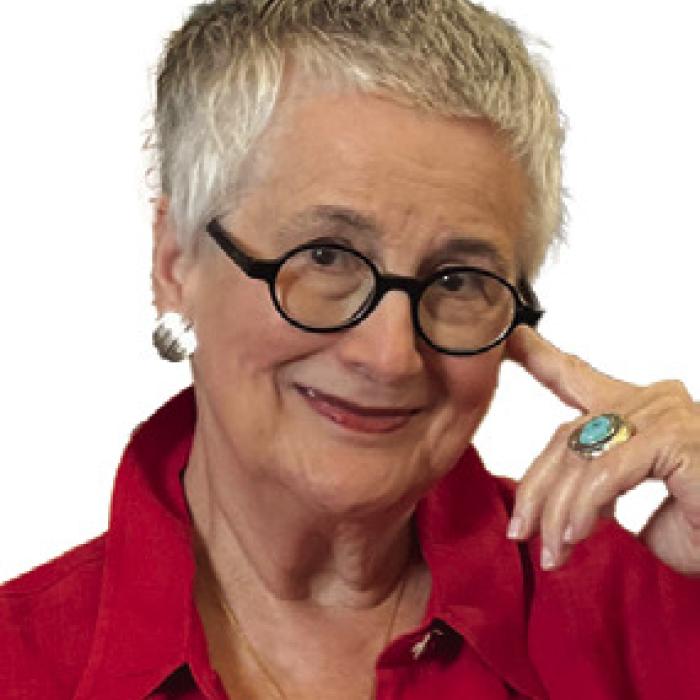
What do we think about age? Do we reveal how old we are? Do we pretend to an earlier birthdate?
Social media has made that kind of pretense harder to sustain when you’re sharing photos of anniversary dinners and birthday cakes.
Why bother? Ageism is why some do. I was reminded of this recently by the publication of an excellent new novel, Leaving, by Roxana Robinson. It’s the story of a love affair between two people in their sixties. “Mid-life” is the term one reviewer used. “Old age” was the description in another’s headline.
That book caught my attention because I’ve just written a memoir about the romantic life of 60-year-old man, my late husband.
Romantic narratives usually center around younger people. We all love the Rom-Coms that let us relax into certainty of a happy ending.
We know how life differs. The author says she was interested in a relationship that develops between two older people previously well-settled in life with families and connections all in place.
Her novel, an Oprah Daily pick, follows their story through to a shattering conclusion.
And it has struck a chord among readers, going into a second printing one day after its release.
Who are all those readers? I’m tempted to say: they are us.
The baby boomers and echo boomers—we shouldn’t be surprised by their numbers. But publishers in recent years have been largely ignoring them, outside of genre categories. (Genre refers to romance, mystery, fantasy and historical fiction done to formula.)
Why? I think ageism is the reason.
Why is it so commonplace?
Probably because we’re all acquainted with stereotypical old people in pop culture and long ago family stories. Yet people live longer now in a healthy, functional condition. Just look around you.
In a way I’m an anecdotal expert on older people. Seniors, if you will. I was married to a man over seventy for thir-ty years. I watched the process of growing older close up and I was paying attention.
Age is stupefyingly relative. And surprisingly capricious.
It’s our nature at any age to be most sure of what we personally experience.
If a young person sees us groping for a word, saying one word when we mean a different word but catching ourselves, stringing words together a bit more slowly, or forgetting in what year we made that first trip to New York…the youth around us will nod and confirm in worried tones: She’s losing it.
Well, she isn’t. We aren’t. But it takes more time to sort through the thickly populated library of experience we have stored in our brains.
We know everything young people discovered yesterday about life and relationships and more. And we have known it long enough to find context.
We have the gift or curse of perspective. Younger people don’t understand that word yet. They won’t for a while.
What they have instead is energy to burn, and the desire to pressure the world, and life, to move at the speed of youth. Regardless of consequences.
But the older people in their lives swim in an ocean of consequences.
I learned that anew last Wednesday night, when I flexed my stiff knee to work out a kink and tore something. In one second I went from a fully functional person to one who could not walk.
Alone, miles from a town, yards away from a phone, with searing pain and the sudden awareness of how ephemeral my independence is.
Part of the “wisdom of age” is to know closely the stark effect of consequences on ourselves and others.
I am walking again, but I will not forget.