

Inflation & Seed Saving

Seed saving used to be an integral part of gardening (and farming).
Hundreds of years ago, just about everyone in the world spent their lives producing food from the earth. There were no seed catalogs or garden stores with seed racks. There were no hybrid varieties. All crops were open pollinated. People saved some of their harvest to plant the next year’s crop. If they failed at this, they starved.
Nowadays, thanks to the market economy, most of us can have other jobs and buy food from grocery stores and restaurants. Most of us have forgotten basic human skills like seed saving. Gardeners can eat all of the corn they harvest. We can till under our lettuce and collard greens before they bolt to seed. We might never worry about letting some of our green beans ripen and dry on the vine. Many of us never bother with these things because we can buy more seed at the store next season.
This week we learned that consumer price index (CPI), the most well-known measure of inflation, hit 8.5% in March. The producer price index (PPI), which measures inflation on the supply-side of the economy, rose to 11.2% in March.
Call me crazy, but you might want to learn about saving seeds from your garden this spring.
Before I talk about that, though, let us reflect on how we got to this point with a few words by the late, great Justin Raimondo:
“Government is an incubus, a parasite, incapable of producing anything in its own right, and instead feeds off the vital energies and productive ability of the producers.”
OK, I feel better now.
First of all, you should only save seeds from open-pollinated varieties as opposed to hybrid varieties. Seeds from hybrid plants may not produce viable seed, and if they do, the seeds might grow into plants that are vastly different from the hybrid plant that grew the seed.
Heirloom varieties are almost always open-pollinated.
Saving seeds basically involves harvesting them from your plants after they fully ripen and then keeping them dry until you plant them.
For fruiting plants like tomatoes, peppers, eggplants, squash and zucchini, allow the fruits to over-ripen before harvesting. You can collect seeds from ripe pepper plants and store them without any further processing.
For moist fruits like tomatoes, zucchini and squash, I use a fermentation method. Cut the fruits in half and scoop out the seeds. You will end up with some gelatinous “goo” with the seeds. Put the seeds and their “goo” into a glass cup. Add a few tablespoons of water and cover the cup with some plastic wrap. Place the cup on top of a refrigerator or some other warm spot in your house. Allow the mixture to ferment for a few days. After a while, the “goo” will separate from the seeds. Scoop out the “goo” and pour the wet seeds on a plate. Allow the seeds to completely dry. You can then store.
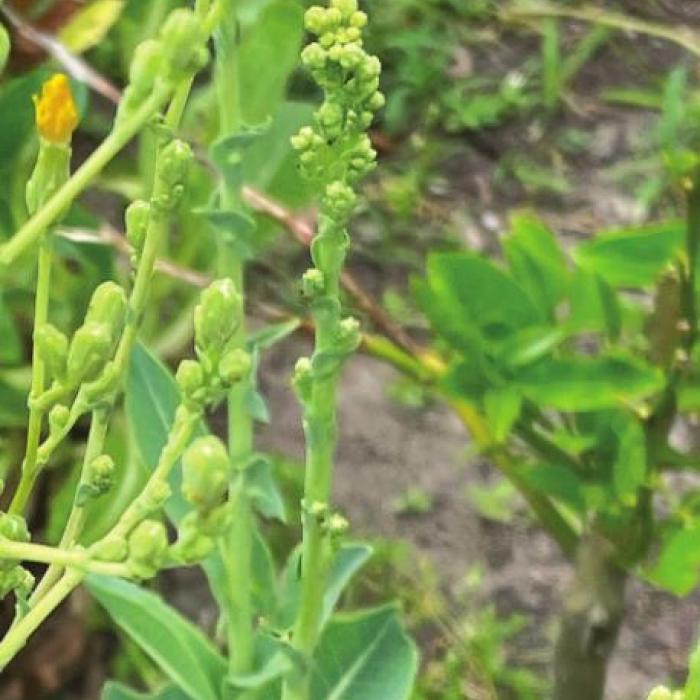
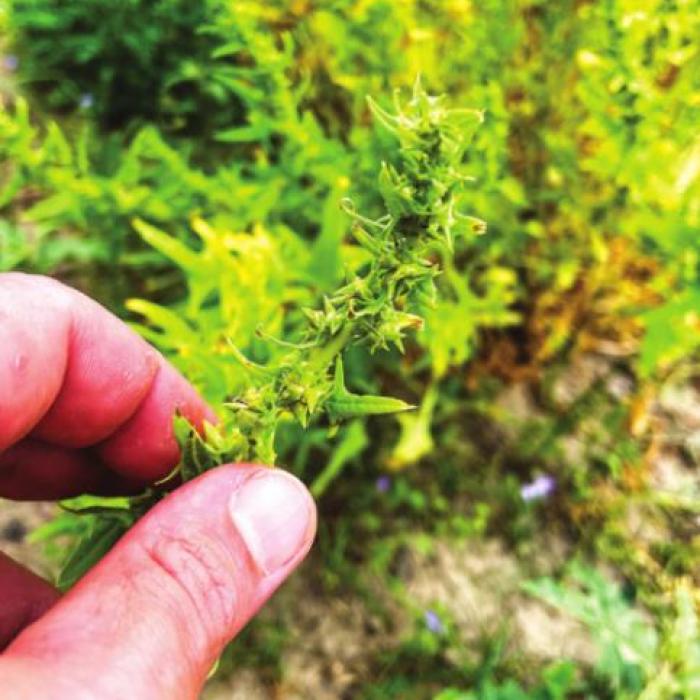
Lettuce bolts to seed like daisies, marigolds and other annual flowings ornamentals. Simply wait until the flowers turn into a seed head. Break apart the seed head and collect the seeds. Swiss chard, beets and spinach form clusters of seed pods that resemble grassburs. Allow the plants to turn brown and die before collecting these seeds.
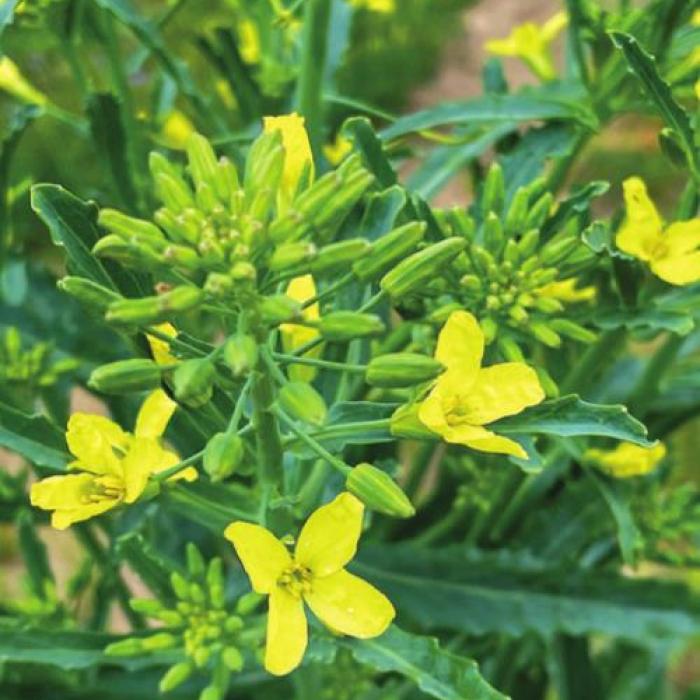
Cruciferous plants such as cabbage, collard greens, broccoli and cauliflower produce small seed pods after they bolt and flower. Allow these pods to turn yellow-brown before harvesting. Don’t wait too long, though, or the pods will break open and release their seeds.
Legumes such as peas and beans are the easiest for saving seeds. Simply allow the pods to fully ripen on the vine until the peas or beans are hard and dry. You can remove them from the pods or store the pods intact. Corn seed is also easy to save. Allow the ears to fully ripen and dry on the stalk. I store intact ears of corn and shell them only when I’m ready to plant.
Store the dry seeds in paper envelopes. Be sure to label the envelopes with the plant name and the date (or at least year) of harvest. Store the envelopes in glass jars or containers with tight-fitting lids. You should store the containers in a dark, cool place. Most seeds will stay viable for many years in a refrigerator. Moisture, humidity and warmth will shorten the shelf life. If the seeds get too moist, they will sprout inside the envelopes and ruin.