

Fundamentals as Key In Gardening as They Are in Sports

When I was a kid, my dad coached my basketball team in the Schulenburg Little Dribblers program.
The season started in the winter time, and my dad delivered propane for a living. So when it came time for all the league coaches to draft their players, my dad was working late with deliveries. He told the other coaches beforehand to make sure I was on his team and that he would take whichever players they picked for him.
We ran something like a full court press defense and a fast-break offense, as I recall. We destroyed every other team in the league. They turned the scoreboard off a few times. The reason for our success was because my dad taught us the fundamentals of basketball – dribbling, passing and shooting. He drilled that stuff in our head.
In the garden, sometimes you need to practice the fundamentals. I’m learning that lesson this week. What I’m about to share should be pretty basic to anyone with a green thumb. Should be, I say, because I should know better.
My wife Janessa went to the nursery in Hostyn and bought a few transplants. We needed some more tomatoes and peppers than the ones we grew from seed this year, which are still pretty small. She came home, ripping and roaring and ready to dig in the garden.
I forgot to remind her that the transplants need to “harden off ” before they go in the ground.
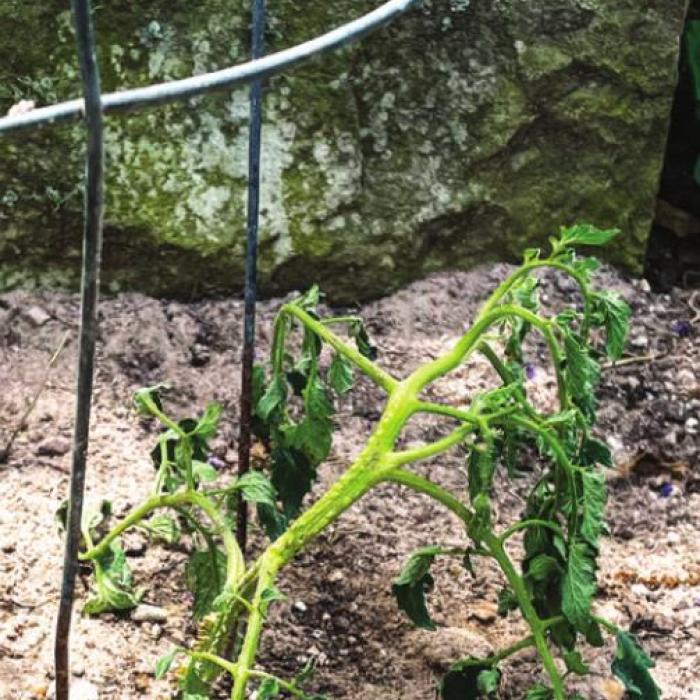
By the time I came home from work that day, she had planted a couple of the tomatoes in one of the front yard beds. They were already wilting.
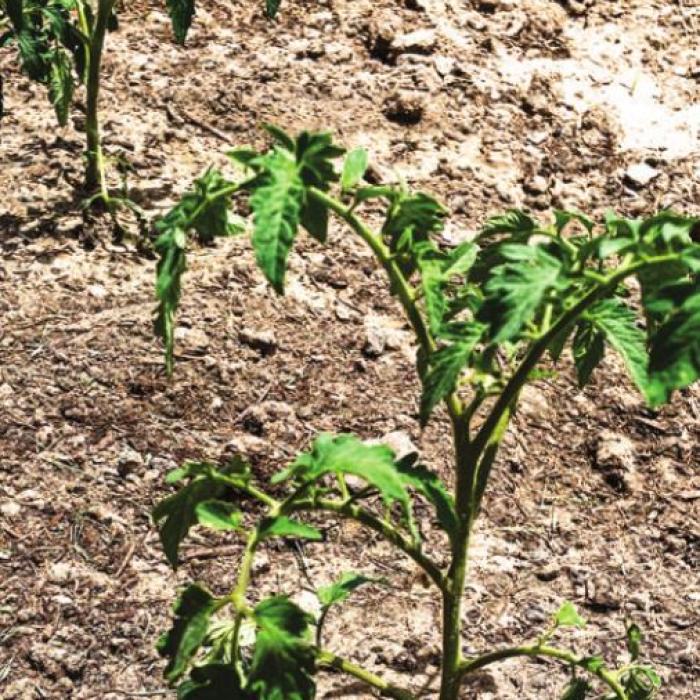
Thankfully, there were only two tomato plants. The rest of the tomatoes and peppers sat in their containers for a day and a half on a picnic table under the shade of an oak tree. As you can see in the photographs, this made a big difference.
The transplants we buy from nurseries grew in a controlled environment. Greenhouse fans move air, but the plants are never exposed to the kind of winds that whip them around outside. Greenhouses stay moist and at relatively stable temperatures. Humidity and temperatures swing outside. Plants get soft, filtered light in a greenhouse. Outside, they are exposed to the harsh rays of the sun.
All of those things add a lot of stress to a plant that’s about to go through a very stressful process – transplanting. The roots get pulled out of their cozy environment and get thrown into a hole with a different kind of soil than they are used to.
Those transplants need some time to acclimate to growing outside before they go in the ground. Two or three days is probably best, but a day and a half helped a lot in our case.
This time of year, when there is no threat of really cold temperatures, I like to leave the transplants under a shade tree for a day and then start exposing them to full sun for another day or two.
When transplants come out of a greenhouse, the plant tissue is soft and supple from its stressfree growing environment. After a few days of exposure to outside conditions, the plant tissue gets tougher and stronger so it can withstand strong winds. That’s why gardeners call this process “hardening off.”