

On the ERA and Annette Finnegan
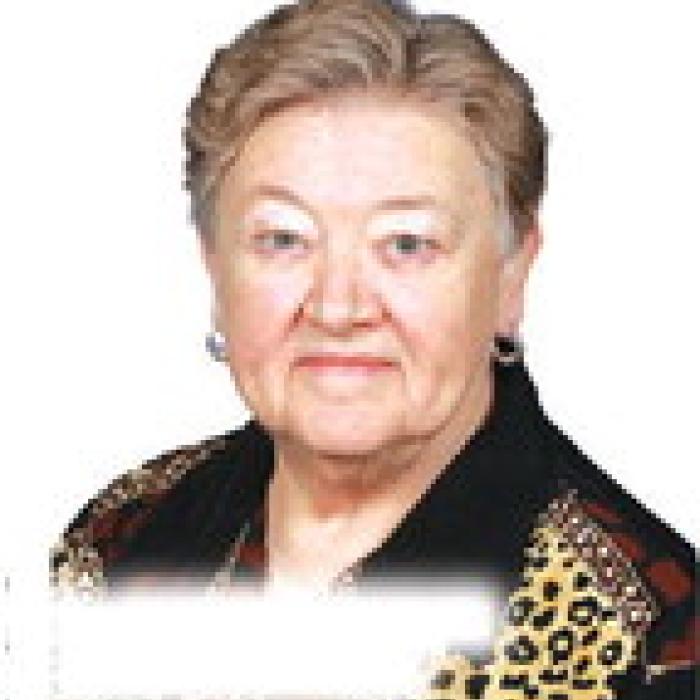
What’s in a name? For many decades, I asked my mother (whose middle name wasAnnette, and who chose it for my given name) and her parents where this name came from. The only answer was “I just liked it when I heard it.” But where did Grandma or Grandpa Tiemann (Mom’s parents, married in 1917) hear it? Most likely, it was a name in the Texas news in the World War I years, when the suffragist movement for women was in full swing.
Women have been able to vote in U.S. political elections since August 18, 1920, or 104 years now. As a constitutional right, it’s virtually just wallpaper or background noise to most of us these days. But to countless women activists in the early 1900s, some of whom risked their lives to make it happen, it was a very big deal indeed.
In Texas, the state which was the ninth to ratify the amendment in spring, 1919 (Texas was the first of the former Confederate States to do so), the battle was led by three sisters, daughters of a wealthy family that owned several successful businesses in Texas and New York (meat-packing, hides processing and sales, and a hotel). Annette Finnegan and sisters Elizabeth and Katherine (the latter two later married, but Annette remained single all her life) were instrumental in reviving the moribund women’s rights movement in the state, after it languished with a failure to gain passage of a rights amendment to the Texas Constitution in the 1890’s.
By organizing equal suffrage leagues in both Houston and Galveston, these three women gained attention and support for their cause, but when the family moved to New York for seven years (1905-1912), progress in Austin fell back. It was only after Annette returned and became president of one of the major state organizations for women’s suffrage that progress was again made in the Texas Capitol. (By this time, Annette had taken charge of the family businesses after her father’s death, as specified in his will, due to her “superior business experience and tact.”) Fighting on two fronts, for women’s right to vote in Texas primary elections and also for ratification of the U.S. Constitutional Amendment, the efforts succeeded for the first matter during a special session in 1918, being signed into law by Governor William Hobby. The increased political participation by women afterwards led Texas to ratify the voting amendment one year later.
Sadly, Annette Finnegan had by this time stepped back from leadership in political organizing: she had suffered a serious stroke, and so most of her later contributions to the suffragists’ efforts were financial. (She did later become an acclaimed patron of the arts in Houston, where the Museum of Fine Arts and the Houston Public Library were significant beneficiaries of her support.)
Sadly, too, a later amendment to the U.S. Constitution, proposed in 1923, has still not been declared ratified: the Equal Rights Amendment (“ERA”). While many claim that this is no longer needed because of other more specific legislative actions taken since then (specific to education or employment, for example), women must now still secure their rights against sex discrimination through those laws in court, case by case. This is, of course, always a costly process, time-consuming as well as expensive, and the outcome is never assured.
It was the publicity surrounding Annette Finnegan’s work for women’s suffrage that likely made hers a familiar name for a new baby girl, so I now embrace a name once associated with a major political movement in Texas. It’s no wonder I seem like a rabble-rouser to some folks, dear readers, though one without, I admit, the “tact” attributed to Ms. Finnegan!
I join now in the efforts of the League of Women Voters to continue the fight for the full ratification and inclusion of the ERA in the U.S. Constitution, and I do so to honor the legacy of Annette Finnegan. (“Press on, My Sister,” an LWVproduced “readers’ theater” play about efforts to ratify this constitutional amendment, will be performed in late August, with more information on time and location soon to appear in the Record.)