

Aftermath of Shooting Pumpkins

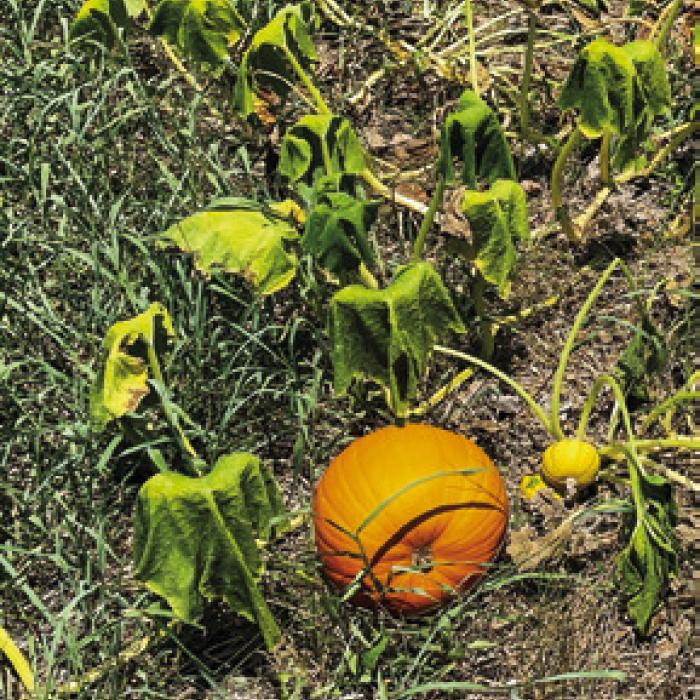
I recently wrote about why it’s a good idea to grow squash later in the year. Last weekend I stumbled across some evidence to support my hypothesis.
I drove out to my parent’s place to check on my cows. I had the itch to shoot one of my pistols. So I brought along a few boxes of ammo. We have a little shooting range set up at the bottom of a tank dam out there. Most years, usually sometime in the fall or winter, a few of our family and friends get together for a “pumpkin blast.”
If we grow enough pumpkins, we use them. But usually we all scrap together whatever pumpkins and decorative squash we can find on sale after Halloween. We had a pretty good sized load last year – it filled nearly the whole bed of my wife’s Toyota.
We set the pumpkins up on target stands and shoot them with everything we have: shotguns, rifles, pistols – you name it. The little kids shoot .22s. That’s fun and all. But it doesn’t quite make a splash like a .45 loaded with hollow points. Or better yet, a 12 guage loaded with buckshot or slugs.
We blasted all these pumpkins to smithereens and then grilled some hot dogs. It was a great time.
It wasn’t a huge surprise to discover a bunch of volunteer plants growing on the range when I revisited the spot last weekend.
I imagine the pumpkins decomposed, providing some nice mulch for the seeds. I don’t remember seeing any growing there this spring. But I had my cattle grazing on that part of the farm earlier this year. I haven’t been back down to the range in a few months. When I walked down there this weekend, I was amazed to see pumpkins and squash growing everywhere.
The unusual wet weather earlier this summer seems to have helped them. The leaves are starting to wilt now due to the dry weather and heat. I have no way of irrigating them. But the vines are loaded with fruit. They’re mostly the small decorative squash varieties. But a few big pumpkins are growing in the patch as well.
They are growing at the bottom of a tank dam, and it gets a little shade. This probably helped retain some soil moisture, even though most of the farm is becoming scorched. I’m guessing that these plants must have germinated in the very late spring or early summer, judging by the size of them. If I had a way of watering them, they’d probably produce a bumper crop.
I could find no evidence of the squash vine borer in any of these plants. This goes to show that squash and related crops greatly benefit from later planting in this part of Texas. This reinforces my belief that fall is the best time to grow these crops.