


Of Squash and Bugs: A Garden Progress Report as June Arrives
-
 Of Squash and Bugs: A Garden Progress Report as June Arrives
 -
 Of Squash and Bugs: A Garden Progress Report as June Arrives
 -
 Of Squash and Bugs: A Garden Progress Report as June Arrives
 -
 Of Squash and Bugs: A Garden Progress Report as June Arrives
 -
 Of Squash and Bugs: A Garden Progress Report as June Arrives
The end of May arrived and I thought I would be eating squash by now.
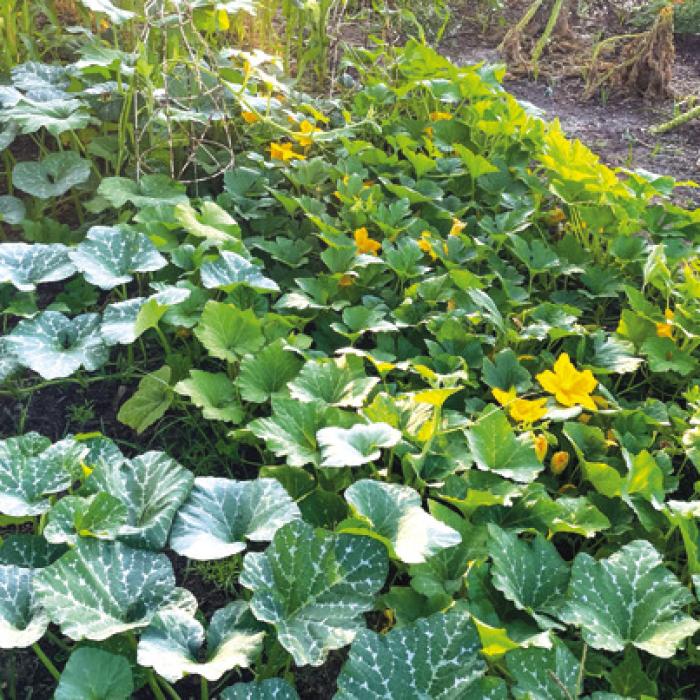
I forgot when I planted the first ones - another reason for everyone to keep a garden journal. But I think it was late March, a few weeks later than I would have preferred. At the time, I planted four varieties from seed directly in the garden: “Gelber Englischer Custard,” a yellow patty-pan type of squash; “Tatume,” a vining Texas native green squash that’s round in shape; “Zucchino Rampicante,” an Italian snake-shaped squash that’s actually in the gourd family but tastes like zucchini; and “Musquee De Maroc” a warty pumpkin-type squash from North Africa.
I bought these seeds from Baker Creek Heriloom Seed Co. (rareseeds.com) in 2021. I was quite surprised by the germination rate - almost 100 percent – considering they were two years old. I never got around to planting them two years ago. They’ve been stored in a plastic box in my living room.
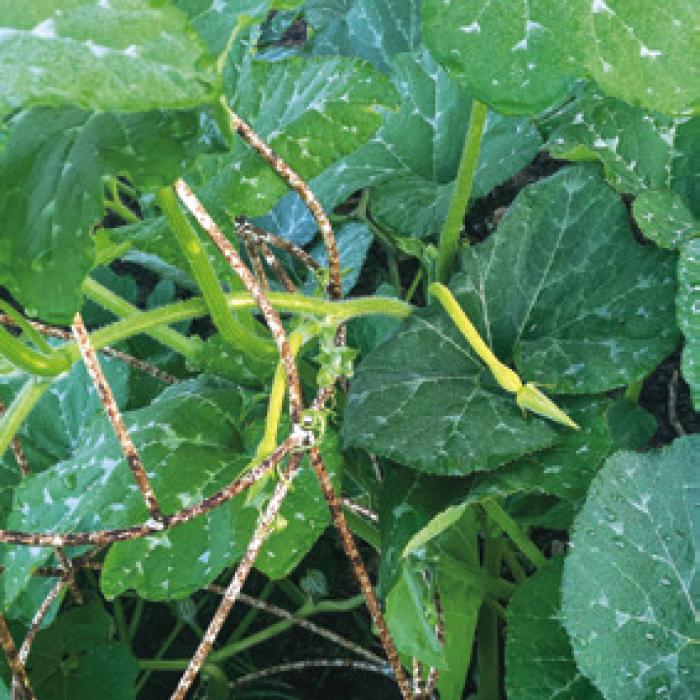
I grow Tatume every year. I have found it to be the most dependable squash for this part of the country. It is resistant to the squash vine borer. Most squash varieties grow from a hollow vine. Tatume grows from a solid vine, leaving no space for the vine borer to dig into and make a home.
Zucchino Rampicante is supposedly also resistant to the squash vine borer. I grew this variety for the first time last year. The flesh is firmer than zucchini and requires a slightly longer cooking time. This quality complements cooking them on a grill or barbecue.
Patty-pan varieties of squash typically grow well in Texas. That’s why I picked the “Gerber Englischer” variety, even though I know nothing of its provenance. I picked Musquee De Maroc because it looks as weird as its name.
I thinned them a few weeks ago and now have about six plants from each variety. I probably planted them too closely. They’ve grown together into a tangled mess. Every year I tell myself to plant my squash farther apart next season. And every year I seem to forget.
The good news is that I have seen no sign of the squash vine borer. The mature adults are unmistakable. They look almost like a wasp with a red body and metallic green wings. The adult females lay redfish brown eggs, sometimes one at a time and sometimes in groups, typically on the underside of leaves near the base of a stem. The eggs hatch in a week or two. The larvae burrow into the stem, where they live for several weeks, eating the inside and of the stem, which eventually kills the plant. The organic pesticide Bt is well known for controlling caterpillars. It can also kill squash vine borer larvae. I have heard of some gardeners who inject Bt into the vines of infected squash. That seems like a lot of trouble to me. But it supposedly works.
Instead, I prefer to grow resistant varieties like Tatume and Zucchino Rampicante. I just wish they would start producing squash already!
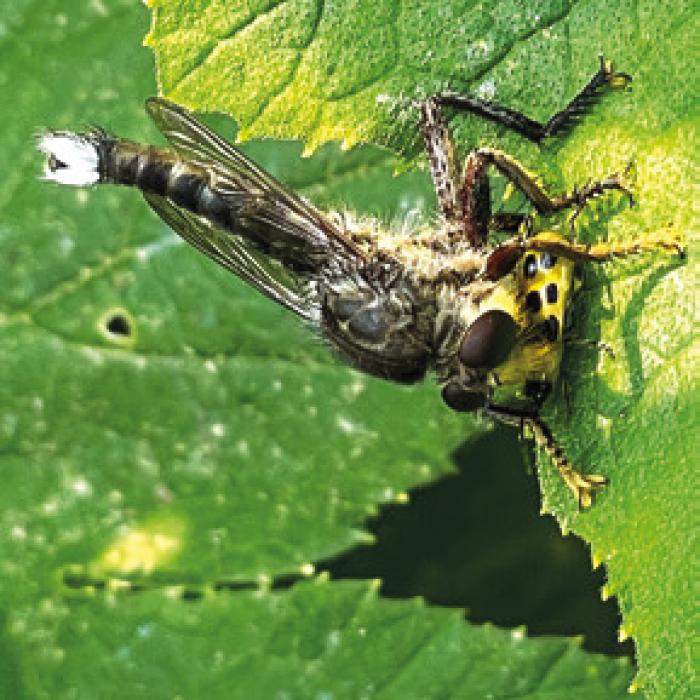
Elsewhere in the garden, I’m seeing a bunch of insects some beneficial, others not so much. The other day I walked by my Japanese eggplants and debated whether or not to pick two fruits that were getting to a nice size. Not even an hour later, I walked by again and saw a chunk missing from one of the fruits. At first I thought a rabbit was to blame. But I looked closer and saw a big fuzzy caterpillar munching away. I squished it before I thought to take a photo of it, but it was a saltmarsh caterpillar. I was amazed at how quickly it damaged the eggplant. In another hour or two, it might have eaten the entire fruit.
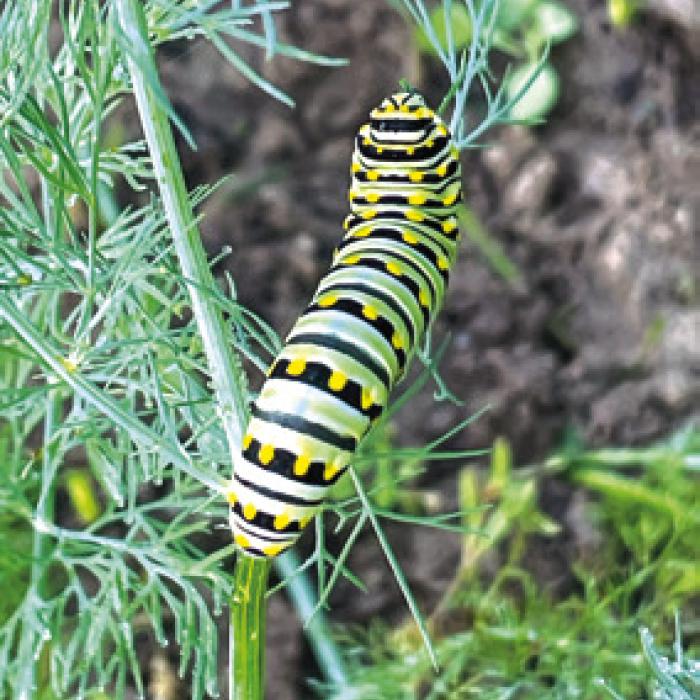
Some folks might feel the need to spray a pesticide like Bt to control any other caterpillars that might be in the garden. But over in my dill patch, I’ve noticed some swallowtail caterpillars. These will eventually become big, beautiful black and yellow butterflies that are excellent pollinators. Bt would kill them, too. So for now, I’ll stick to squishing the bad guys.