


Spotlight on What Other Local Gardeners Are Doing
-
 Spotlight on What Other Local Gardeners Are Doing
 -
 Spotlight on What Other Local Gardeners Are Doing
 -
 Spotlight on What Other Local Gardeners Are Doing
 -
 Spotlight on What Other Local Gardeners Are Doing
 -
 Spotlight on What Other Local Gardeners Are Doing
 -
 Spotlight on What Other Local Gardeners Are Doing
This week I thought I’d share some information that other gardeners have sent to me.
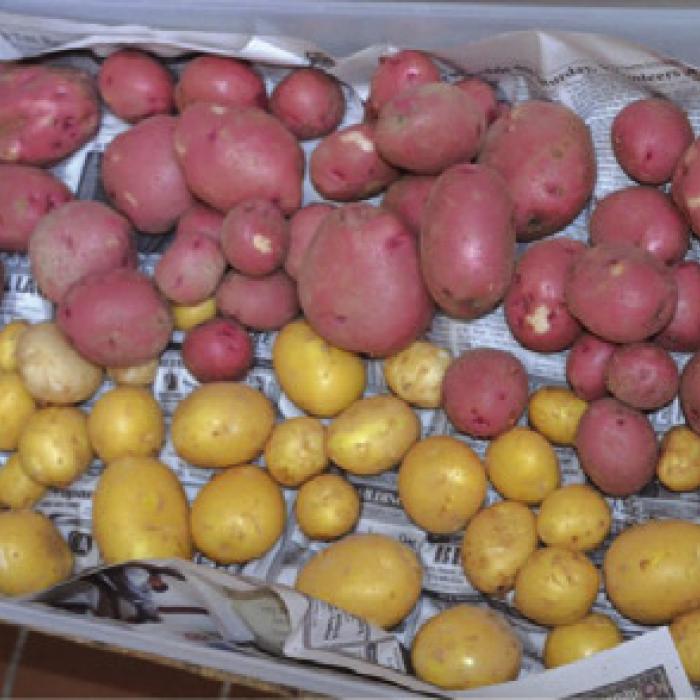
N. Mercer of Round Top said he planted Yukon gold and red Pontiac seed potatoes on Feb. 10 – two rows of each about 30 ft. long. Mercer said he dug potatoes a few weeks ago and harvested slightly less than 100 lbs.
“I was surprised!” he said. Mercer had better luck than me with potatoes this year. I planted around the middle of February and harvested them about two weeks ago after we got about 10 inches of rain. All of the Yukon golds rotted in the ground, I suppose from the excess moisture.
“Different rain patterns in widely placed parts of the county can drastically affect gardens,” Mercer said.
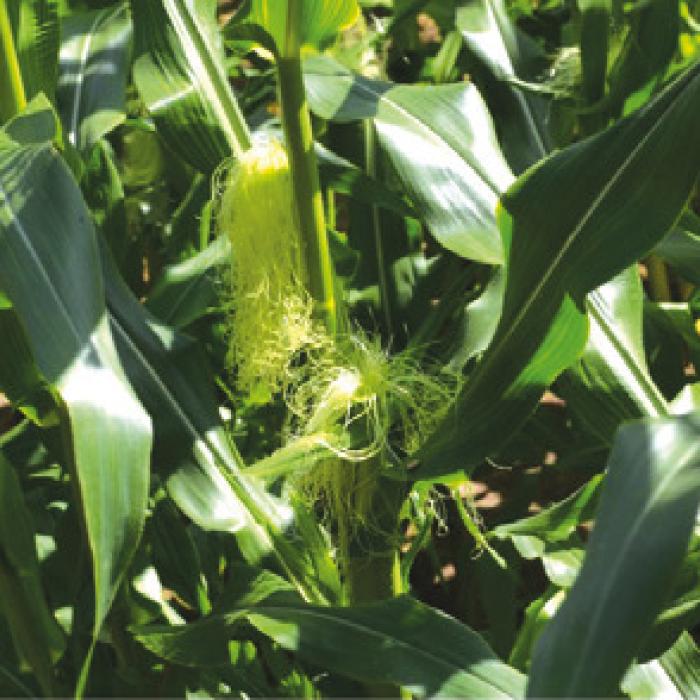
I can attest to that. Mercer said he planted sweet corn on March 10, and the corn started tasseling with some silks emerging around May 18. I planted some sweet corn about a week later than him, and the tassels emerged this week.
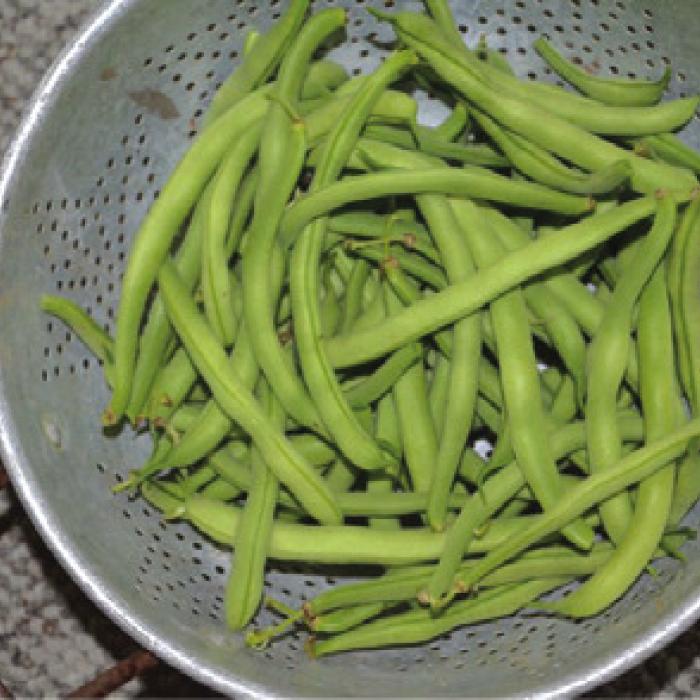
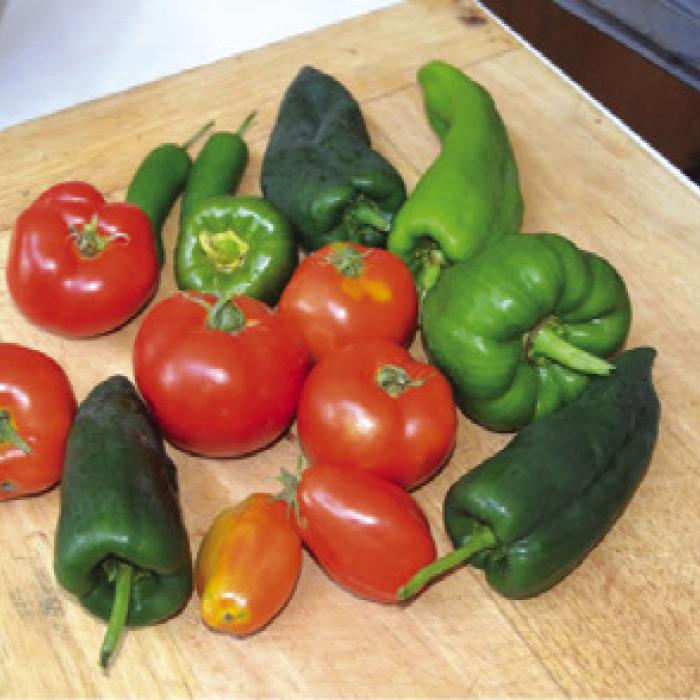
Mercer said he also picked some tomatoes and peppers on May 18. Again, he’s a little ahead of me. My first ripe tomatoes might be ready to pick by this weekend. Mercer said he planted some green beans on March 29, and the first green beans were ready to pick last week. I was late planting green beans this year, so he’s well ahead of me on those.
“Apparently Round Top got just the right amount of rain at the opportune time for those of us with a garden,” Mercer said. “So far, an excellent season here in Round Top.”
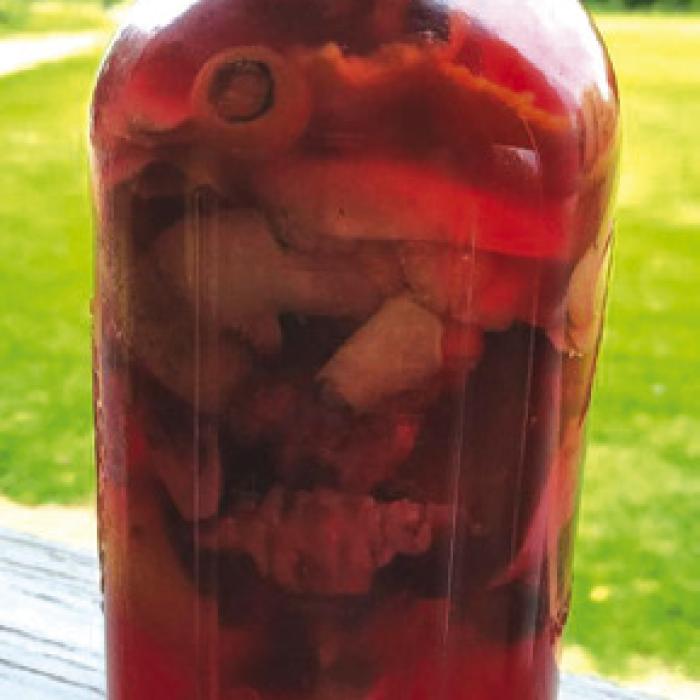
A few weeks ago I wrote about using vinegar to kill weeds. Brianne Bernsen of Plum shared some information about how she makes her own vinegar: “I thought your frugal gardeners out there would love to know how to make their own homemade vinegar to use as a weed killer,” she said. “Just take any fruit scraps (I actually use any fruit or veggie scraps) and place in a jar (fill jar at least halfway with scraps). Fill with water and set on a lid loosely (obviously will be off-gassing during fermenting). Set somewhere warm but not in direct sun. Shake every few days. Should be ready in 30-60 days depending on how warm it is. Strain and use. Can be diluted to 50% but since it’s so cheap and easy, might as well use it full strength.”
Bernsen said she learned this from a Canadian soil scientist on YouTube. Here’s the video about it: https://youtu. be/kyLZajATNVo.
I also recently wrote about Brazilian scientist Wagner Bettiol’s experiments spraying zucchini with a milk solution to treat and prevent powdery mildew. Bettiol used 10 percent raw, unpasteurized milk mixed with water in his experiments. Bettiol found that the milk solution worked better than commercial fungicides.
Bob and Darlene Stryk of the Stryk Dairy in Engle wrote to me about an interesting observation that might be of interest to gardeners. During the COVID-19 pandemic, the Stryks had a lot of leftover raw milk that they had to get rid of, so they sprayed some around the farm.
“We had noticed a huge decline in fire ant mounds where we had sprayed some leftover milk,” they said. “As Bettiol thought the milk proteins helped, maybe the fire ants couldn’t digest the sugars in raw milk.”
I personally think that raw milk is too delicious and a little too expensive to spray on fire ant mounds. However, their observation is, I think, something to take note.
It makes me wonder whether Bettiol’s recipe for a 10 percent solution of raw milk might also have some insect repelling qualities.
I’ve sprayed this solution twice in my garden over the last two weeks, and I plan to continue spraying it weekly.