


More Historical Images from the Incredible Louis Melcher
-
 More Historical Images from the Incredible Louis Melcher
 -
 More Historical Images from the Incredible Louis Melcher
 -
 More Historical Images from the Incredible Louis Melcher
 -
 More Historical Images from the Incredible Louis Melcher
 -
 More Historical Images from the Incredible Louis Melcher
 -
 More Historical Images from the Incredible Louis Melcher
 -
 More Historical Images from the Incredible Louis Melcher
 -
 More Historical Images from the Incredible Louis Melcher
Back in September in the “Footprints of Fayette” column we ran a two-part story from the historical commission about local photographer Louis Melcher. His beautiful landscape photography has ensured his place of prominence in Fayette County’s history. Whereas many early photographers satisfied their creative energy with portrait photography, Melcher was prolific in documenting everyday life in the late nineteenth and early twentieth centuries in a manner that is both creative and instructive. We are happy to publish more of his amazing photos here, courtesy of Rox Ann Johnson of the Fayette Heritage Museum & Archives.
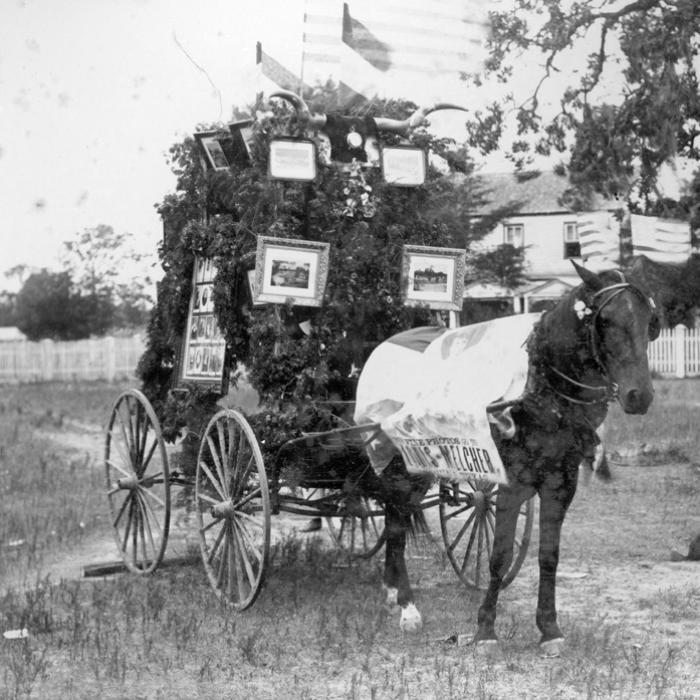
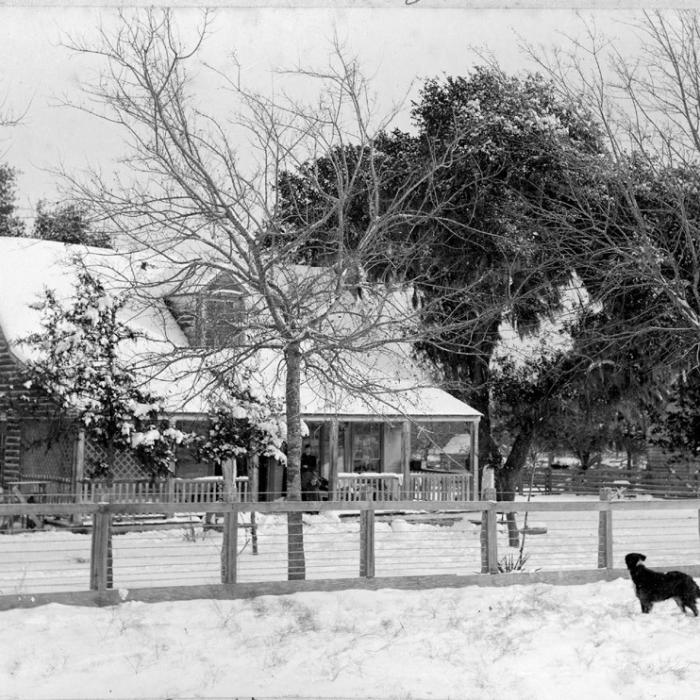
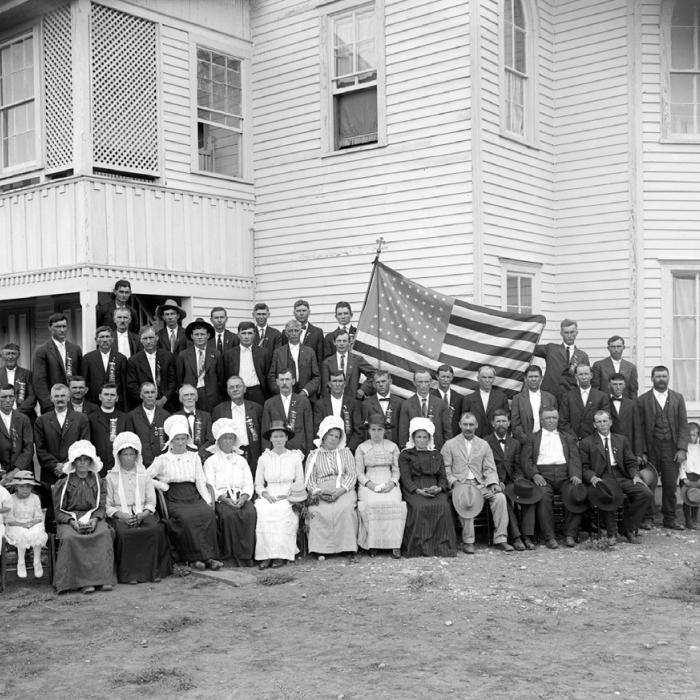
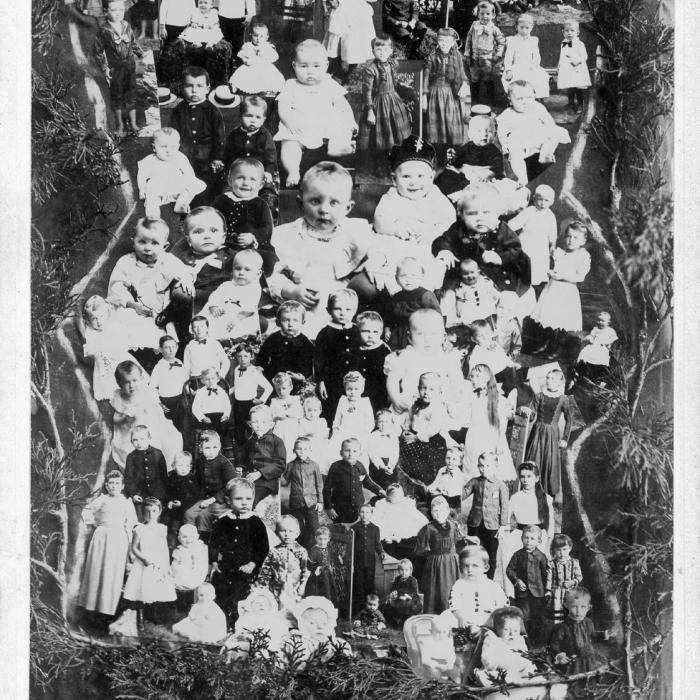
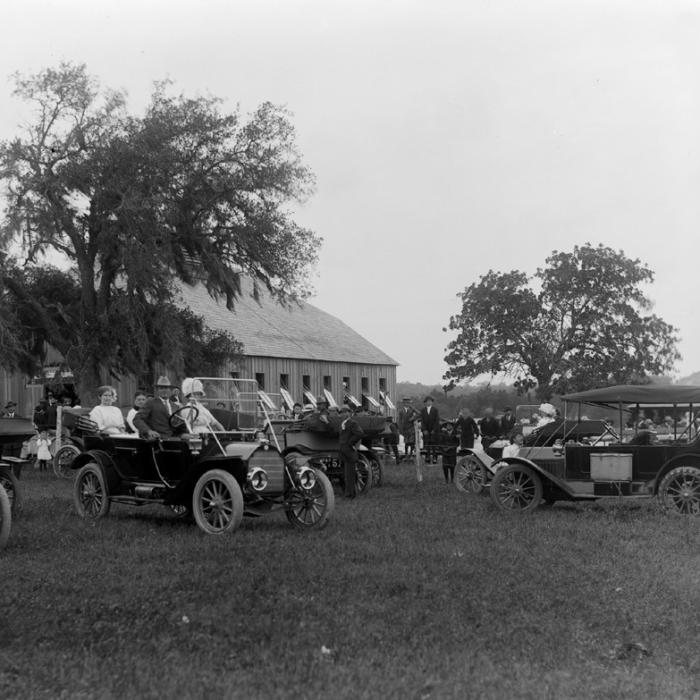
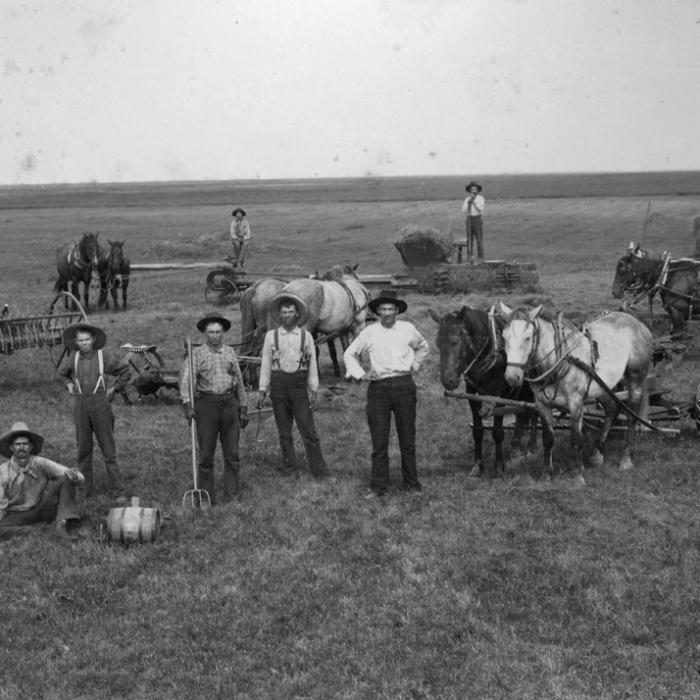
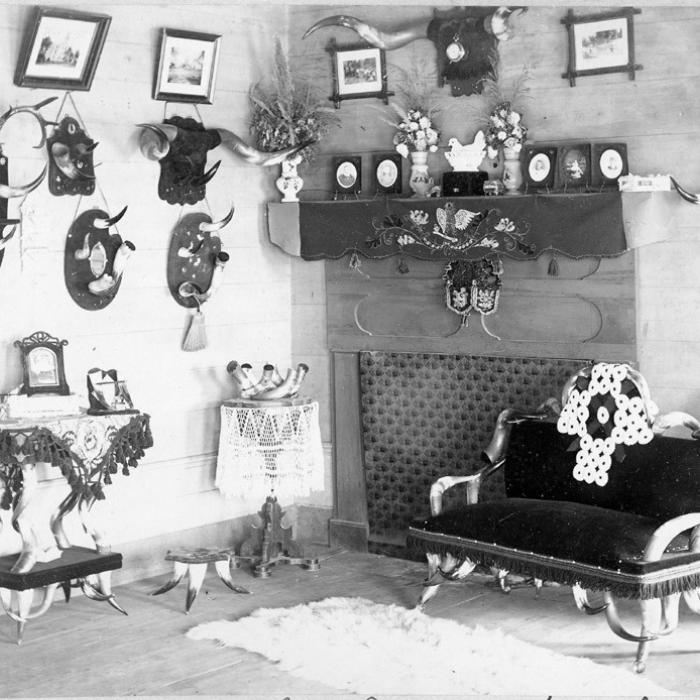
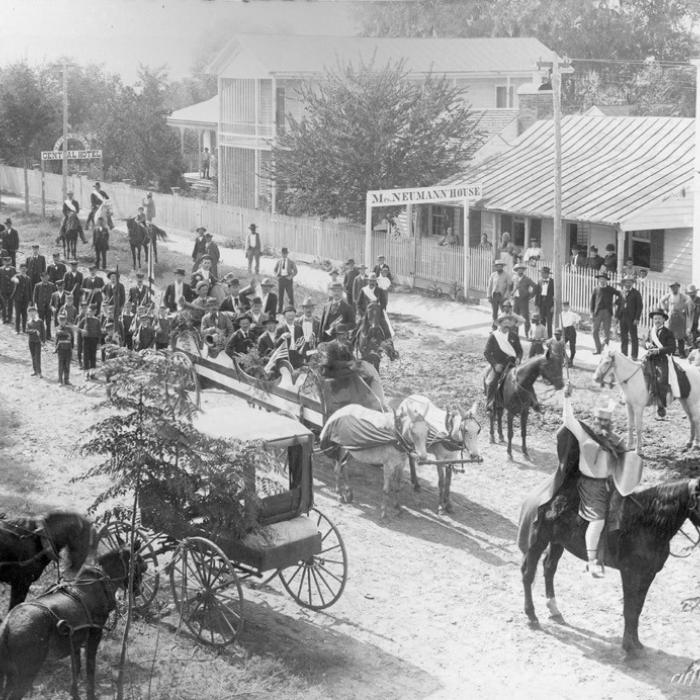
Louis Melcher decorated this horse-drawn buggy with greenery, flags, a longhorn decorative piece and his framed photographs. The horse’s blanket displays a large photograph and the words, “For Fine Photos Go to Louis Melcher.” A newspaper article stated Melcher had a decorated wagon in the La Grange Mai Fest (May Fest) Parade on May 31, 1893. Ferdinand Loessin’s house is in the background. Melcher’s image of his home at O’Quinn in 1895. This home had been built in 1854 by his grandfather, Ferdinand Melcher. On February 14, 1895, six to ten inches of snow fell in our area and the low temperature was 10 degrees. The snow stayed on the ground here and in much of central Texas for several days. “I’m hoping someone might recognize this first glass negative. It was probably taken around the time of World War I. I think it may have been taken at the St. John School in Fayetteville, but I can’t be certain,” Rox Anne Johnson said. This Louis Melcher work is called the Baby Population of O’Quinn and was made in the early to mid-1890s. It’s a collage of young children Melcher had photographed. He cut up their portraits, pasted them to a backing and embellished the collage with small branches of cedar. It includes photographs of his much younger brothers, Ed, Max, Ernest and Tom, and also Otto Kehrer and Rudolph and Helmuth Vogt, among many others. The second glass negative is from the opening celebration at the second Cedar Maennerchor [Men’s Choral Club] Hall on April 25, 1912. Louis Melcher’s father, J. C. had donated two acres of his property at O’Quinn for the new hall after the first one at Cedar was destroyed in the 1909 storm. This hall stood until at least 1947, when the hall, drink stand, and club room were sold. Melcher posed these men and boys with haymaking equipment, including a mower/ cutter, hook, rake and square baler and horses and wagons. Taken near Eagle Lake about 1902. This is Louis Melcher’s parlor at O’Quinn about 1895, displaying some of his horn work, which he made to sell. His family stills owns a horn chair that he made. Melcher image looking down at a large gathering of men lined up in parade formation in the 100 block of South Main Street. A man on horseback at the front of the procession is costumed as Hermann Arminius, the tribal chieftain who defended Germania against the Roman Empire. This appears to be a staging area and the participants are definitely posing for the photographer. There are onlookers on both sides of the street. Most of the buildings along the west side of the 100 block of South Main Street are clearly visible with a sidewalk and white picket fence separating most of the buildings from the street. “Martin Whalen Central Hotel,” “Mrs. Neumann’s House,” and a beer advertisement are signs that are clearly visible in front of the buildings. An enclosed buggy with two horses tied off the wheels is also visible. This photo has been labeled both the German Day and Hermann Son’s Parade at La Grange in 1896.