


Jump for Choy, It’s Greens Season in the Garden
-
 Jump for Choy, It’s Greens Season in the Garden
 -
 Jump for Choy, It’s Greens Season in the Garden
 -
 Jump for Choy, It’s Greens Season in the Garden
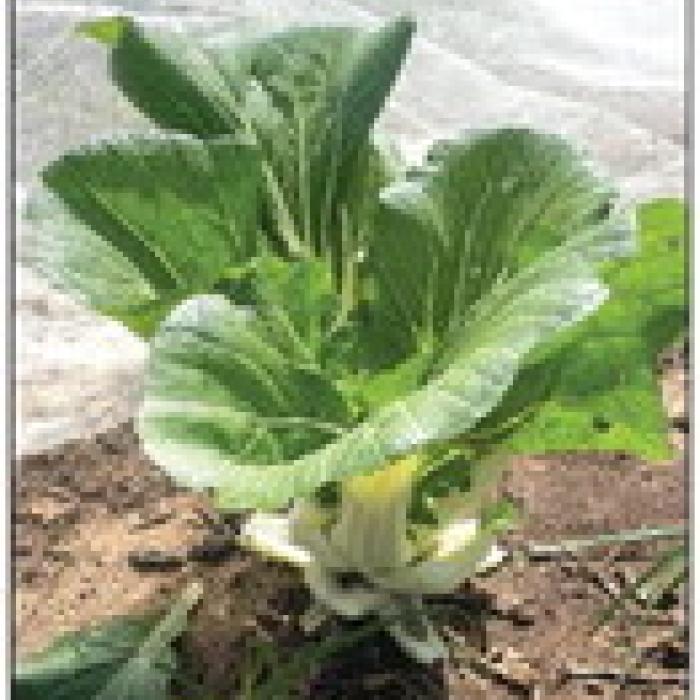
It’s that time of year when our garden is bursting with greens. Our collards, kale, bok choy and mustards just came into full production.
We’re also growing some regular cabbage and Chinese cabbage, and they’re several weeks away from harvest. But the leafy greens have arrived. I’ve missed them dearly.
We haven’t had any brassica greens for the table since the spring. We grew some beets into the early summer and ate their greens at the time. We planted some Swiss chard as well, but the grasshoppers destroyed them.
The best green producer for us this year was a variety of spinach from the Holy Land known as “Galilee.” It waited to bolt until well into the heat of the summer, and it grew well under irrigation. I saved some seed, and I’ll definitely plant it again.
That was months ago. I’m a big believer in eating colorful food. The colors usually come from powerful nutrients and antioxidants in the food, whether it be meat or vegetables. In plants, orange colors such as that of carrots or sweet potatoes indicate high amounts of carotenoids, especially alpha- and beta-carotene. These powerful antioxidants promote the immune system and vision.
Red foods typically contain lycopene, anthocyanin, Vitamin A and Vitamin C. These chemicals promote heart health by lowering blood pressure and lowering bad cholesterol. They possibly help to fight infections and lower the risk of chronic illnesses as well.
Blue and purple foods like blueberries and purple cabbage almost always get their color from high levels of anthocyanin, another powerful antioxidant. Anthocyanin, like all antioxidants, seems to promote health by slowing cells from aging. One peculiar feature of anthocyanin is that it can cross the blood-brain barrier. Research indicates that anthocyanin could slow our brain cells from aging and possibly slow cognitive decline in older adults.
Leafy greens are kind of a super-food. They contain many of the antioxidants mentioned above. They also typically contain vitamins A, C and E, along with high levels of iron and zinc. In addition, they are low in calories and high in fiber.
In my mind, a table is just not complete without a pot of cooked greens.
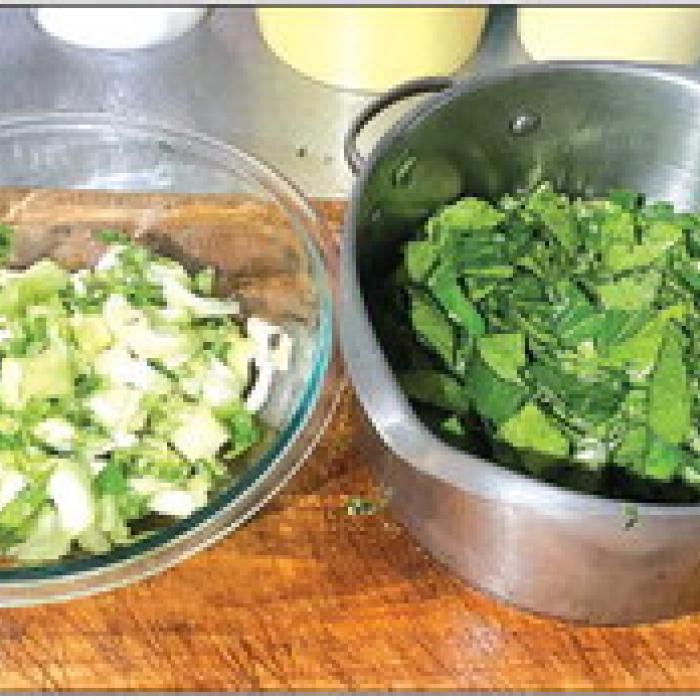
A reader recently asked me for a recipe for beet greens. This recipe can apply to any leafy green with ribs. I’m mainly talking about beet greens, Swiss chard and bok choi. The ribs are delicious, so don’t throw them away!
Separate the stems from the greens and chop the stems into bite-size pieces. Chop or tear up the greens like you would spinach. Set the greens aside.
Heat up some olive oil in a pan and add a clove or two of chopped garlic. Add the chopped stems and cook them for a few minutes until they start to get soft. Add some black pepper to your taste, but hold off on salt. (Beet greens, Swiss chard and fresh spinach from the garden often taste salty enough without adding any).
Next add the greens until they are cooked to your liking. I prefer to cook the greens for just a minute or two until they wilt, but some people like to cook them longer.
Now taste for salt. If it needs any, add some. If you like a splash of vinegar in your greens, now is the time to add it.
You could use bacon grease or butter in place of the olive oil, but I prefer olive oil. If you like spice, add some chili pepper flakes in place of (or in addition to) the black pepper.
Here’s another idea: do you have a recipe for scalloped potatoes that you cook in the oven? If so, cook the greens and tops just as I described above, and layer them in between the scalloped potatoes before you bake the casserole in the oven. It’s really good!