


Gardening: Some Experiments are Now Paying Off
-
 Gardening: Some Experiments are Now Paying Off
 -
 Gardening: Some Experiments are Now Paying Off
 -
 Gardening: Some Experiments are Now Paying Off
A few weeks back I wrote about the gardening experiment I conducted in the pasture where I’ve been feeding hay to my cows.
I’ve been feeding them hay in this spot for several years. Now there’s a thick layer of black soil from all the hay, manure and urine that has composted over time. I was concerned about herbicide residue from the hay. I knew corn would grow there since the herbicides used on hay fields target broadleaf weeds and not grasses. Corn is actually a type of grass, so these herbicides don’t affect it. But if there was any residue in the soil, it would surely kill most other vegetables like tomatoes and peppers.
Beans are especially susceptible to these herbicides. Planting beans is an easy and cheap way to determine if there is any herbicide residue. That’s what I did a few weeks ago, and I’m happy to report that my new garden patch seems to be herbicide-free.
I had a few hundred tomato, tomatillo, pepper and eggplant transplants that I started in my parent’s greenhouse. I sold and gave away a bunch of them back in March and April. But I still had about 50 left over, and I needed to do something with them. So I planted them in our new garden patch, which Janessa and I are calling the “market garden.”
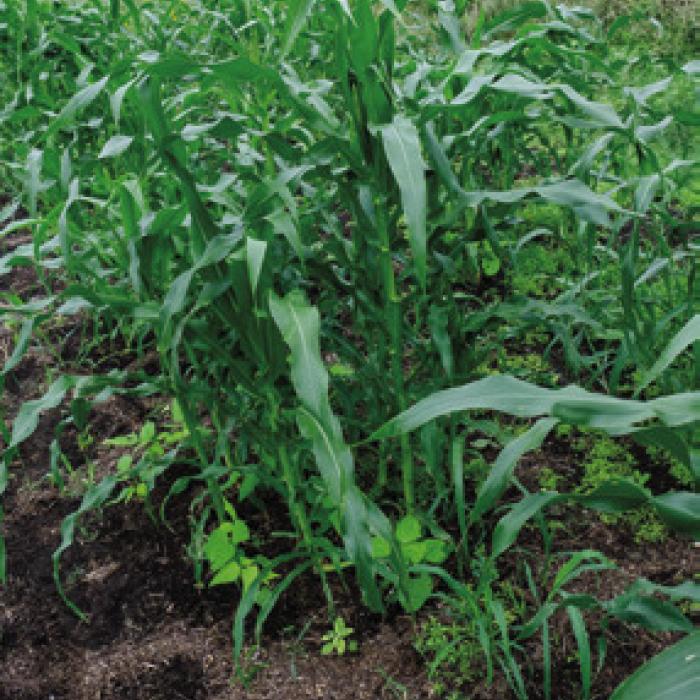
These plants are thriving. We also planted several patches of corn in the market garden - Hopi blue corn and two varieties of sweet corn. The blue corn is now about chest high. Instead of planting in rows, I planted the blue corn in circles of about 10 plants each. About two weeks ago I planted pole beans throughout each circle of corn, and then I planted various types of squash between the circles and around them.
This is known as the “three sisters” method. The corn grows tall, giving the pole beans something to climb up. The squash vines sprall across the ground, acting as a living mulch by shading the soil and preventing weeds from taking over. Native Americans discovered this method of planting and used it for centuries.
Certain varieties of each “sister” work better than others. Some corn varieties have been developed to grow shorter, and they don’t work as well for a three sisters garden. Bush beans will get shaded by the corn, so you need to choose a variety of pole bean that can crawl up the corn stalks.
Green beans must be picked often, but a three sisters patch will grow so thickly that you may not be able to walk through it and reach the beans. If you want to plant green beans, plant them on the outside of the patch so you can reach them. Otherwise plant varieties of dry beans, such as lima beans, which you can harvest all at one time after the corn is done growing.
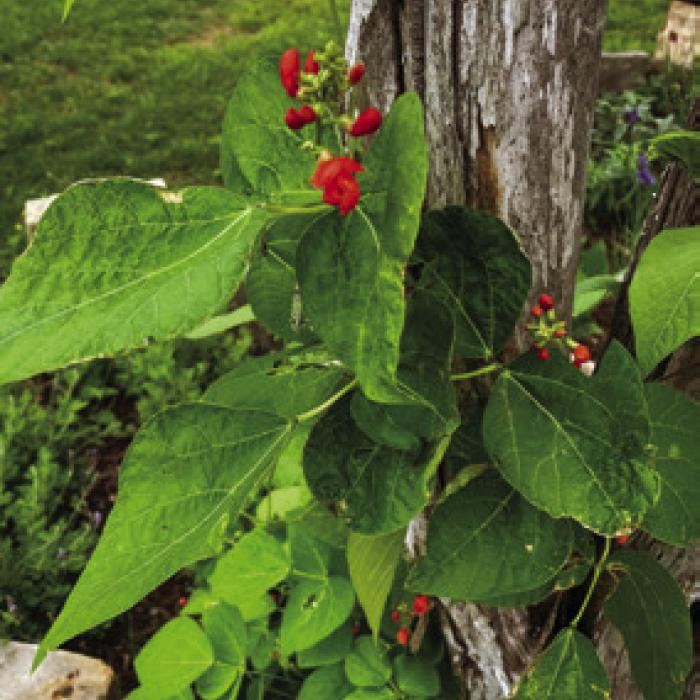
Some pole bean varieties are very vigorous climbers. If they are too vigorous, they may overwhelm the cornplants. It may take some trial and error, but try finding varieties that aren’t too vigorous. Asian-style yard-long beans and similar varieties have been too vigorous for me in the past. So I shy away from those when planting a three sisters garden. Kentucky Wonder and Scarlet Runner Beans have worked the best for me.
Squash vines serve another important role in the three sisters patch - they can help to keep deer out of the garden. Deer do not like walking through squash vines, especially types of squash with prickly leaves and stems. Varieties in the species Cucurbita pepo are typically the prickliest, so look for those to plant.