


The Benefits of Mulch, Especially This Time of Year
-
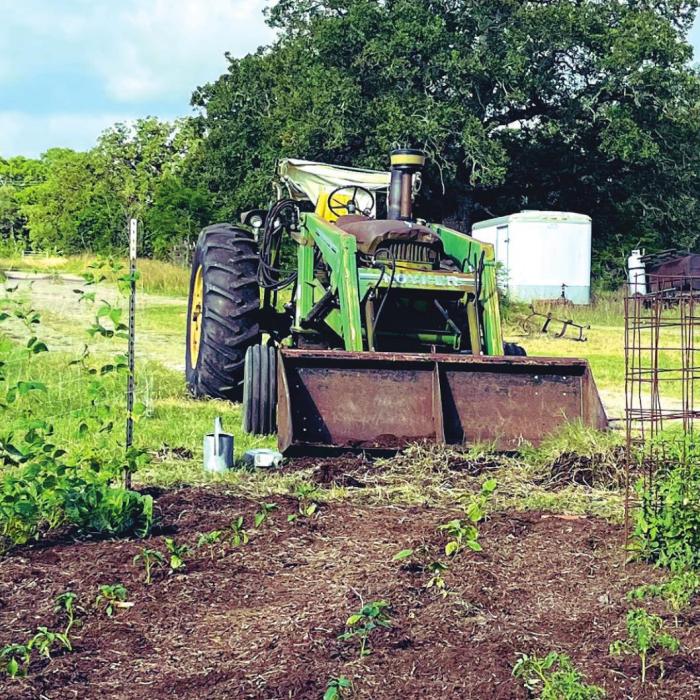 The garden always looks great after a fresh application of mulch. My wife Janessa laid cardboard between the rows before I applied the mulch, which provides even more weed suppression.
 -
 The Benefits of Mulch, Especially This Time of Year
It’s gotten hot in case you haven’t noticed.
I’m hearing from some folks who say watering their garden has become a full-time job.
There’s a better way. It’s cheap, too. I’m talking about mulch.
Mulching the soil around your plants does lots of wonderful things. Most importantly, especially right now, it conserves water. It also helps to suppress weeds.
Nature abhors bare soil. The only time you see bare soil is at places like the desert or the beach, where conditions are too harsh to support much plant life. Even in those places, though, if you look closely enough, you will find plants.
A few inches of mulch keeps light away from the soil surface and prevents weeds from sprouting. This also regulates the soil temperature. The woody material absorbs moisture and slowly releases it to plants. The mulch eventually decomposes into compost that enriches the soil for the next generation of plants. For this reason, you should replenish the mulch in your beds every year.
I use native wood mulch from the Fayette County Recycling Center. The stuff is so cheap it’s practically free. They charge $5 to fill the bed of a pickup truck and $15 for a threeyard scoop. If you insist on buying expensive mulch in bags, I would avoid pine bark mulch because it floats on water and washes away in a storm. I also avoid cypress mulch because it takes forever to break down and decompose. That’s why they used to make house siding out of cypress lumber.
I would never use any dyed wood products. Who knows what they use for the dye? I intend to eat the products of my garden. I would never mulch with plastic sheets. Plant roots need oxygen, and these products prevent the soil from breathing. I also avoid landscape fabric. I find that grass often grows between the fibers of landscape fabric and makes a bigger mess than if you had not mulched at all.
Lava rocks can make a good mulch. Lava rocks also deter cats and other animals from digging in the garden. Lava rocks don’t really add anything beneficial to the soil, however.
For some reason, folks around here often think that cedar mulch is bad for plants. I think this folklore comes from the fact that nothing really grows under cedar trees. That has more to do with the fact that cedar trees grow so much foliage that they block light from reaching the soil under the canopy. The strong scent of our eastern red cedar repels many insects, but it does not harm plants.
Fresh tree clippings would make a much better mulch than the County mulch. If you have a wood chipper, you can make your own. Wood chippers make a much finer-textured mulch than the stuff you can buy from the County. Accordingly, fresh wood chip mulch will break down into compost much more quickly. I don’t have a wood chipper, though.
Mulch made from one native tree is capable of harming other plants: black walnut. The black walnut tree produces a toxin called juglone. The toxin occurs in all parts of the tree, especially the roots, buds, leaves and nut shells. The stems and woody portions of the tree contain the toxin to a lesser extent. If a living black walnut tree gets shredded into mulch, it could harm plants that it’s used around.
Does the County mulch have black walnut in it? Probably. I assume it occurs in such small concentrations that it doesn’t bother anything.
Regardless of the type of mulch used, you should apply it a few inches thick around your plants. I apply it across my entire garden. I find it helps to lay cardboard down in between rows and pile mulch on top.
After a while, you will notice all sorts of lifeforms living in the soil-mulch interface: worms, lizards, and various forms of fungi. All of these are beneficial. Worms castings enrich the soil. Lizards eat harmful insects. Fungi decomposes the woody mulch and turns it into compost.
Whatever you do, don’t mix or till mulch into the soil. When you mix mulch and soil together, the woody material in mulch “robs” nitrogen from the soil through the decomposition process. It will eventually decompose, but until then, your plants will suffer from malnutrition as a result. Instead, lay the mulch on top of the soil.