


I Try Taming Some Wild Scarlet Sage
-
 I Try Taming Some Wild Scarlet Sage
 -
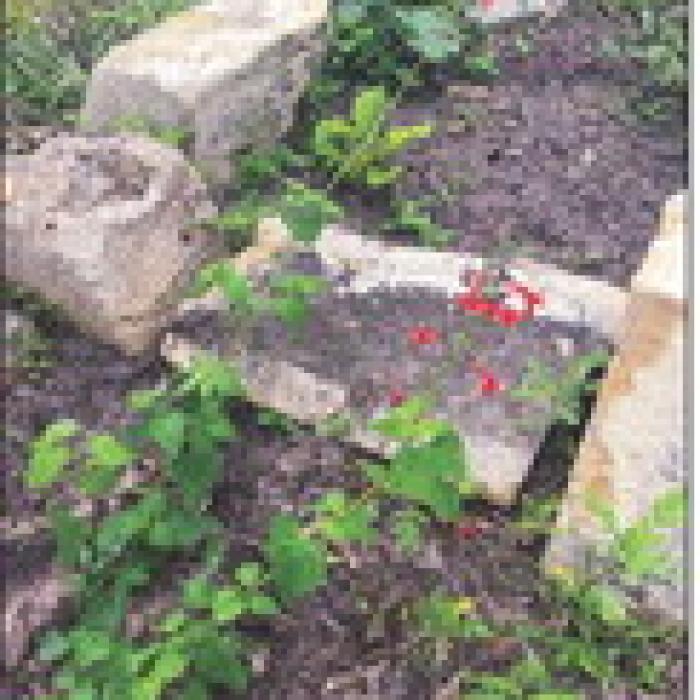 I found a clump of scarlet sage ( Salvia coccinea) growing in my woods. I transplanted a few plants into my landscaping this week.
The other day, while moving some calves from one pasture to another, I noticed a splash of red color out of the corner of my eye. I was in a wooded area. I noticed a clump of scarlet sage that was blooming profusely under a cedar tree.
Scarlet sage, sometimes called Texas sage ( Salvia coccinea), grows wild on my place. It’s supposedly the only sage variety native to the United States that has red flowers.
I’ve tried growing pineapple sage before, Salvia elegans, which is native to Mexico. It’s another sage with red flowers. And its leaves carry a scent and flavor reminiscent of pineapple. But it’s never done well for me. Pineapple sage seems to be more picky about sunlight and moisture. And it rarely bloomed for me.
Scarlet sage, on the other hand, doesn’t seem to care where you plant it. I mostly see it growing wild in the wooded areas of my place, usually in small clumps. I suppose the shade keeps it smaller. Grass probably takes it over in open areas. But in a cultivated environment, it can get huge – three or four feet tall and just as wide.
So the other day I headed to the woods with a shovel and dug up a few clumps to plant in a flower bed.
Right now you may be able to find scarlet sage or other interesting native plants growing in the wild. I’ve been thinking about moving some wild lantana bushes in the same manner.
Be sure to dig up the entire root ball under the plant you’re trying to move. For the scarlet sage plants I moved the other day, I popped them out using one good scoop with a standard-sized shovel. I stuck them in a one-gallon pot while I walked them to their new home, careful not to disturb the roots. Then I dug a hole in my flower bed the same size as the root ball. Cool, cloudy spring days, such as we’ve had recently, offer the ideal time to transplant larger plants. I would never try this on a hot, sunny day. If you do, you’ll probably see some shock, and the plant may not make it. One day after I transplanted the scarlet sage, it looked like it had been growing there its whole life.
Look around your place. There are probably all sorts of flowering natives that you can use in your flower bed. Prairie verbena comes to mind. One time I bought some prairie verbena for a flower bed, and then felt silly after I noticed it growing everywhere in my pasture.
Another time, I bought some seeds for “lemon bee balm” which I thought would be a great addition to my pollinator garden. Imagine how silly I felt after watching it grow into the “weed” that most folks call horsemint. I don’t consider it a weed. It attracts tons of honeybees and bumble bees. But there was no need for me to buy the seed. The stuff grows wild everywhere my shredder doesn’t pass in the pasture.